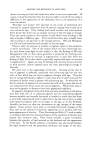
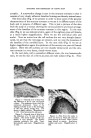
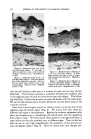
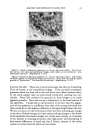
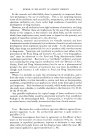
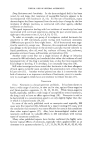
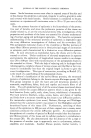
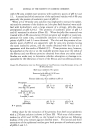
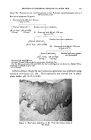
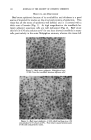
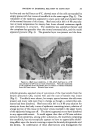
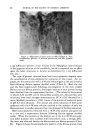
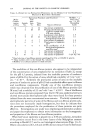
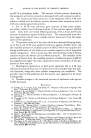
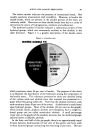
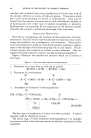
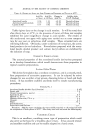
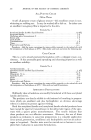
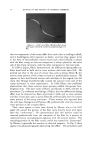
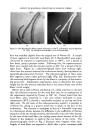
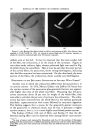
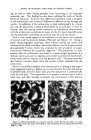
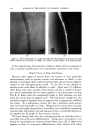
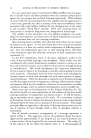
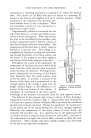
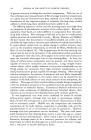
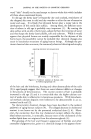
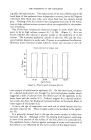
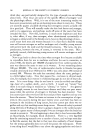
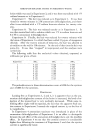
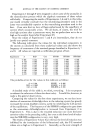
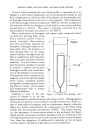
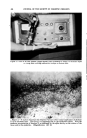
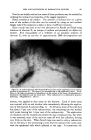
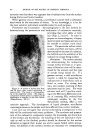
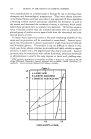
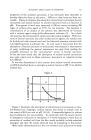
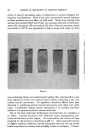
364 JOURNAL OF THE SOCIETY OF COSMETIC CHEMISTS Figure 6.--Photomicrograph of a single wool fiber (64's Rambouillet) treated 6 hours with H_oSO4, followed by 20 minutes in alkali (a) viewed in normal light, (b) in polarized light. It has already been discussed how curling in alkali, after an exposure to acid, is another manifestation of an asymmetric structure in the cortex. OTHER TYPES OF KERATIl• FIBERS Because other types of keratin fibers are known to have particular characteristics, such as cystine content and resistance to alkali, it was decided to investigate them to determine how these characteristics might be related to the ortho-paracortex model. To do this, it was decided to examine three other fibers in addition to wool. These were (1) a Buenos Aires fleece wool, (2) a sample of kid mohair and (3) a sample of human hair which supposedly had not been exposed to any permanent waving. The B. A. fleece wool was considerably larger in fiber diameter and had much less crimp than an apparel wool. The kid mohair sample was also somewhat larger in diameter than an apparel wool, and generally exhibited low crimp. As is well-known, human hair has a diameter much greater than wool and essentially no crimp. Being of such a nature that it usually does not curl readily, human hair is an excellent raw material for attempting reactions that will make it curl and, because of this, a profitable field exists for exploitation by people in the cosmetic industry. We have already seen how dye staining provides an indication that a wool fiber has ortho-para differentiation. Using such a procedure it was found, by examining cross sections of dyed fibers, that a B. A. fleece wool appears to show no ortho-para differentiation, when stained with either

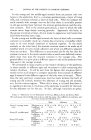
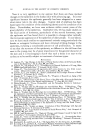
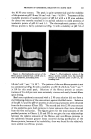
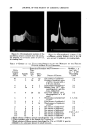
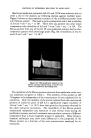
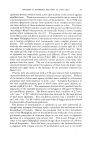
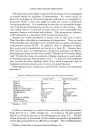
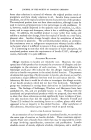
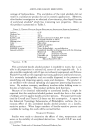
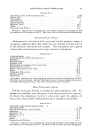
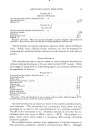
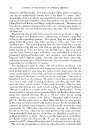
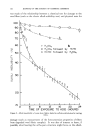
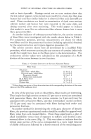
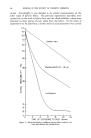
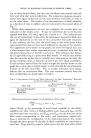
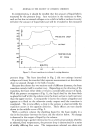
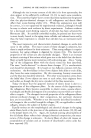
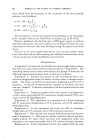
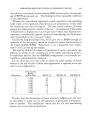
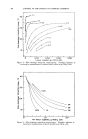
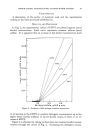
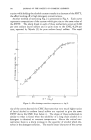
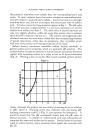
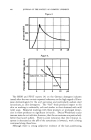
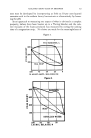
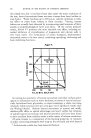
EFFECT OF BILATERAL STRUCTURE ON KERATIN FIBERS 365 acid or basic dyestuffs. Dyeings carried out on cross sections show that the kid mohair appears to be stained more readily by a basic dye than does human hair and that similar behavior is observed when acid dyestuffs are used. These conclusions are based on examination of dyed cross sections wherein mohair and human hair were mounted in the same slide, and dyeins occurred after cross sectioning. This would appear to indicate that mohair is more like an orthocortex fiber whereas human hair is more like a paracortex fiber. As another indicator of ortho-paracortex behavior, the cystinc contents of these fibers were investigated with the results shown below in Table 1. For comparison purposes, previous measurements are shown for whole wool fibers and for the paracortex fractions (including epicuticle) obtained by the supercontraction and trypsin digestion procedure ($). The cystinc contents shown were all determined by a modified Folin procedure, which measures cystinc plus any amounts of cysteine (relatively small) that might have been in the fibers prior to the determination. The orthocortex cystinc values were calculated on the assumption of a 50-50 division of the cortex between its two fractions. TABLE 1--CYSTINE CONTENTS OF SEVERAL KERATIN FIBERS Fiber Type Cystinc (Wt.%)* 64's wool: This work--whole fiber 11.4 4- 1.1 Previous work--whole fiber 11.6 4- 0.3 Paracortex (found) 14.9 -4- 1.0 OrlShocortex (calculated) 8.3 B. A. fleece wool 11.6 4- i i• Kid mohair 9.5 + 0.6 Human hair 16.7 + 0.9 * Values shown are means of four determinations with corresponding deviations of the mean values at the 95% confidence level. In view of the previous work on these fibers, these results are interesting. They imply that high cystinc contents (15 per cent or more) are associated with paracortex fibers, that low cystinc contents (ca 9 per cent) may be associated with orthocortex fibers, and that intermediate cystinc contents (11-12 per cent) may be associated with fibers having both ortho- and paracortex fractions. As another method for determining the ortho-para character of keratin fibers, the previous experimental results should be recalled for apparel wool fibers taken from acid-treated fabrics. From these experiments, a plot of alkali insolubility versus time of exposure to sulfuric acid showed a pro- nounced elbow in the curve (Fig. 5). This was taken to indicate that the initial, steep portion of the curve corresponded to a more rapid removal of chiefly orthocortex followed by a slower removal of the remaining para-
Purchased for the exclusive use of nofirst nolast (unknown)
From: SCC Media Library & Resource Center (library.scconline.org)