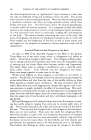
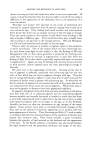
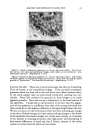
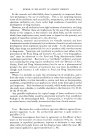
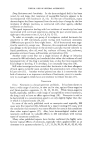
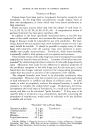
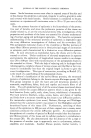
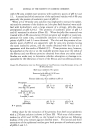
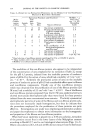
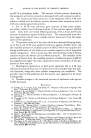
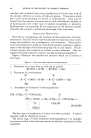
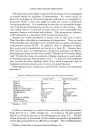
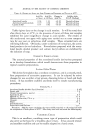
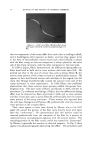
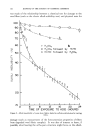
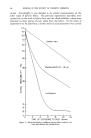
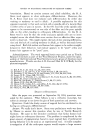
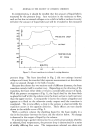
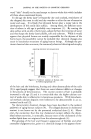
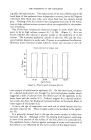
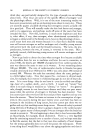
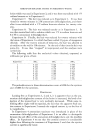
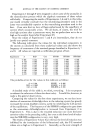
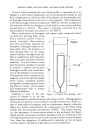
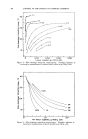
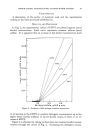
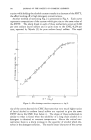
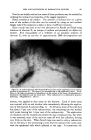
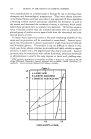
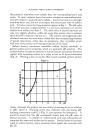
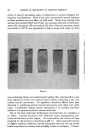
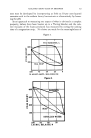
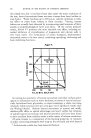
366 JOURNAL OF THE SOCIETY OF COSMETIC CHEMISTS cortex. Accordingly, it was decided to do similar measurements on the other types of keratin fibers. The previous experiments described were carried out on the wool in fabric form and the alkali-solubility values were obtained on short pieces of yarn taken from the fabric. In the series of experiments to be described, a similar series of acid treatments was carried i00 g,,. 90 80 70 uman Hair 60 30 I0- 9 - 8 - 7 I 0 Rambouillet64's Wool Kid Mohair I t I • I • I t I t I 4 8 12 16 20 24 TIME OF EXPOSURE TO ACID (Hours) Figure 7.--Alkali insolubility of different keratin fibers boiled in sul- furic acid solution for varying times,

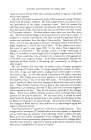
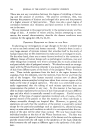
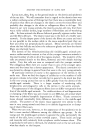
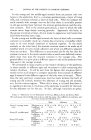
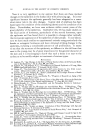
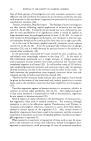
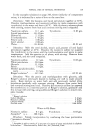
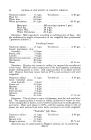
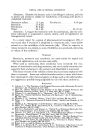
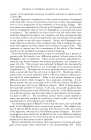
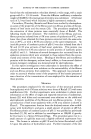
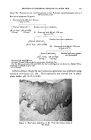
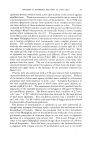
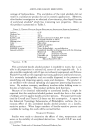
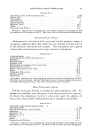
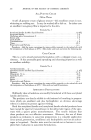
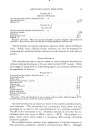
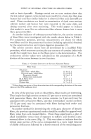
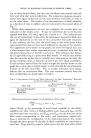
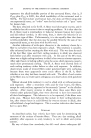
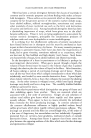
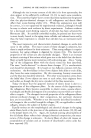
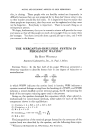
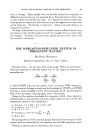
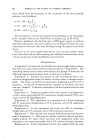
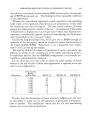
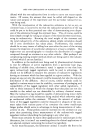
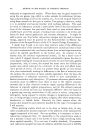
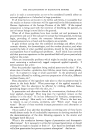
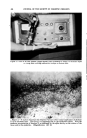
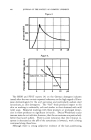
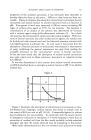
EFFECT OF BILATERAL STRUCTURE ON KERATIN FIBERS 367 out on these keratin fibers, but this time the fibers were treated with sul- furic acid while they were in bulk form. For comparison purposes measure- ments were again carried out on the same domestic wool fiber, as well as on the other three. The results of the determination of alkali solubility as a function of time in sulfuric acid are indicated by the smooth plots of Fig. 7. While these experiments are not yet complete, the smooth plots are indicative of the results so far. It may be noted from the curve that the apparel wool fiber, 64's wool, again has a break in it. This indicates that the rate of "sensitizing" of the cortex for subsequent removal by alkali may again be represented as the sum of two concurrent first-order reactions. It also indicates the fact that the wool being in the more dense fabric construction form does not have much influence on the rate of the reaction. The uppermost curve shown on the graph, the curve for human hair, has a rate constant that, within experimental error, is identical with that for the paracortex portion of the 64's wool curve. This indicates that human hair is again behaving as a paracortex fiber should. It will be seen further that the curve for mohair has an initially very steep portion and that this portion continues down to the point of only 8 per cent alkali insolubility. A rate constant derived from the initial straight-line portion shown on the graph has a value that is closely similar to that obtained for the orthocortex fraction of the 64's wool fiber. This is another indication that mohair behaves like an orthocortex fiber. The rate constants derived from the data on bulk fibers are listed below in Table 2. TABnE 2--PREn•M•rAR¾ VAnu•s voR "RA'rv. Co•rs•rA•r•rs" or Acre "SENs1TI7ING" R•ACTIO• FOR SEVERAl KERATIN F•a•s •Rate Constant (hr. -•) for• Fiber Type Orthocortex Paracortex 64's wool (Rambouillet) 0.263 0.0386 Kid mohair 0.229 Human hair . •. 0. 0433 These rate constants appear in an equation of the type: (Wool)• -- Fortho e -&ønhøt -[- Fpar. e -• .... •, 100 where (Wool)t is the percentage of wool found insoluble by the alkali- solubility test after t hours in boiling sulfuric acid kortho and kpara are the two first-order rate constants and For•ho and Fpa• are the fractions of the fiber cortex corresponding to the ortho- and paracortex, respectively. Fv• is obtained by extrapolation of the least-mean-squares line drawn through the latter portion of the plot of alkali insolubility rs. time back to zero time. Fo,•ho plus Fv•ra equal a value near to but less than unity which
Purchased for the exclusive use of nofirst nolast (unknown)
From: SCC Media Library & Resource Center (library.scconline.org)