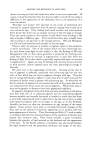
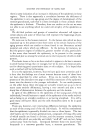
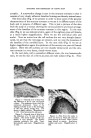
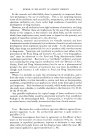
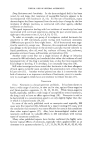
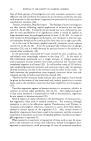
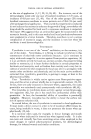
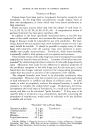
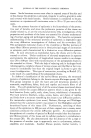
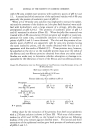
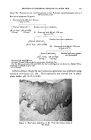
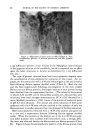
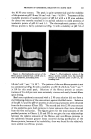
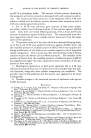
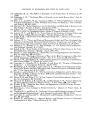
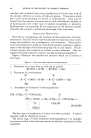
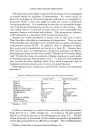
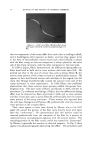
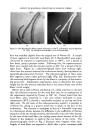
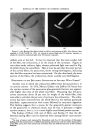
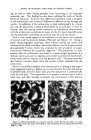
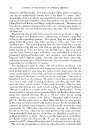
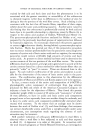
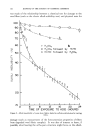
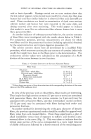
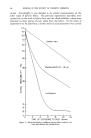
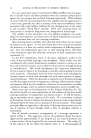
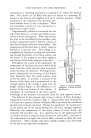
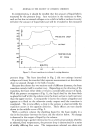
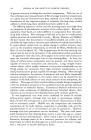
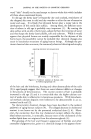
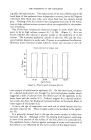
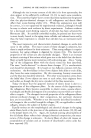
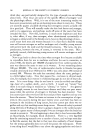
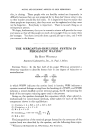
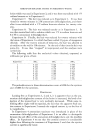
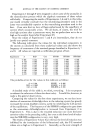
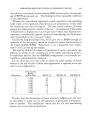
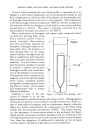
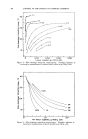
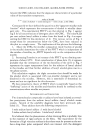
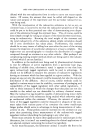
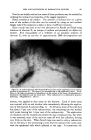
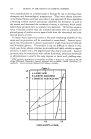
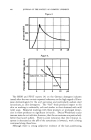
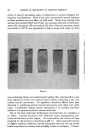
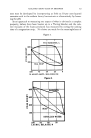
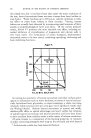
FOAM TRANSITIONS AND FOAM PERSISTENCE 373 connected to a recording instrument is situated 8 cm. below the solution inlet. The column can be filled with foam by means of a spinneret, F, located at the bottom and supplied with air at constant pressure. Under conditions of the experiment the spinneret pro- duces bubbles about 1.5 mm. in diameter. These are remarkably constant in size and permit re- generation of a given •am. A Experimentally, solution is introduced into the top of the column at a steady rate which is main- tained without interruption. When the solution has risen to the level fixed by the overflow tube, C, foam is generated until it fills the column to the inlet level with uniformly sized bubbles. The 8 temperature of the foam then is slowly raised or lowered at a constant rate. This change is ac- complished by heating or cooling the water flow- ing through the jackets of the foam column and the jacket of the preheater and flow regulator (not shown) which feeds solution to the inlet. c- ' -- c' Throughout the course of the experiment the temperature of the foam, the rate at which liquid issues from the outlet and the drop in pressure D • across the foam are observed. The drop in pres- sure is indicated by the lowering of the liquid- F foam boundary from the initial solution level set by the outlet. It provides a measure of the density of the foam and is proportional to the average density if the average is taken over the height without respect to the difference in di- Figure 1.--Foam drainage apparatus: Column of vary- ameter of the two sections of the column. A ing diameter. calculation of total liquid in the foam requires knowledge of the diameter and pressure drop for each separate section. The behavior of the pressure drop across a column of foam showing a temperature transition is given in Fig. 2. These results were obtained for a 0.25 per cent aqueous solution of Duponol ME from which the unsulfated alcohols had not been extracted. During the experiment the temperature of the jacket and of the liquid flowing into the foam changed together. Effectively the temperature of the entire column of foam slowly and uniformly fell and then rose. It is apparent that as the temperature fell an abrupt increase in pressure drop occurred at about 40øC., and that as the temperature rose again the reverse effect occurred at about the same temperature. These changes take place rapidly enough to be observable by the eye as the experiment progresses.

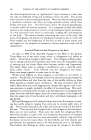
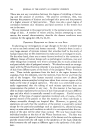
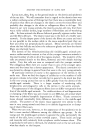
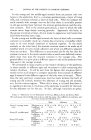
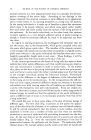
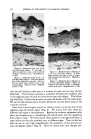
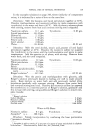
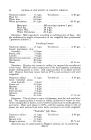
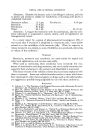
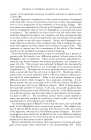
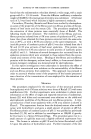
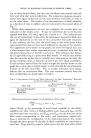
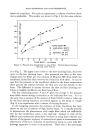
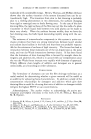
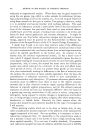
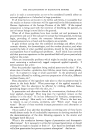
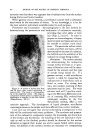
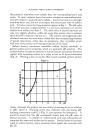
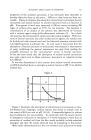
374 JOURNAL OF THE SOCIETY OF COSMETIC CHEMISTS In interpretation, it should be recalled that the amount of liquid held is measured by the pressure drop. Any variation in the resistance to flow, such as that due to internal collapse or to a shift in bulk or surface viscosity will alter the amount of liquid held and will be revealed by the measured 80 70 60 50__ 44 40 :56 _ 0 •_._•_.•_•-'•L• OUTPUT --t__ .• MINUTES 2O 4.0 60 Figure 2.--Foam transitions in column of varying diameter. TEMPERATURE OF FOAM pressure drop. The foam described in Fig. 2 did not undergo internal collapse and it may be remarked that separate measurements on the solution show no unusual changes in the bulk viscosity. Because the column has two sections each of different diameter, the foam transition reveals itself in another way. Depending on the direction of the transition, the foam either sheds or retains a considerable amount of liquid. With the present arrangement (Fig. 1), the liquid shed by the foam finds no place for itself within the column since the lower section is much narrower than the upper section. Consequently it leaves the column altogether and appears as a flood on the otherwise steady output until the transition is completed. The inverse effect, a drop in the output, is observed while the transition occurs in the opposite direction. These effects are very clearly shown in the middle curve of Fig. 2. With a uniform column the shedding liquid by the foam results in a rise in the boundary between the foam and the solution below. No change is observed in the output of liquid by the column. It is interesting to gather information by an alternate procedure, whereby at selected, fixed temperatures, the pressure drop is determined for a series of widely differing flow rates. The temperatures selected are above and
Purchased for the exclusive use of nofirst nolast (unknown)
From: SCC Media Library & Resource Center (library.scconline.org)