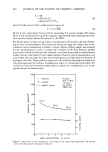
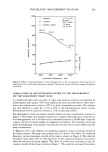
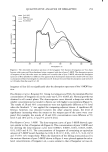
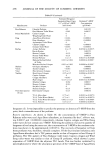
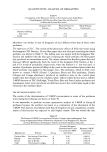
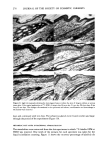
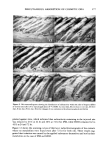
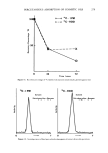
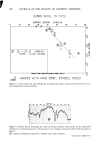
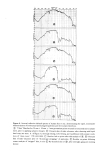
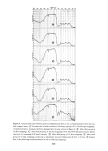
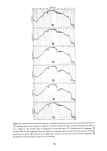
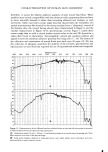
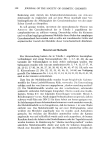
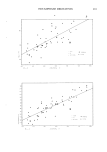
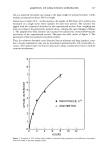
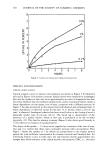
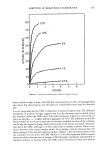
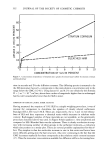
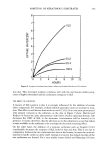
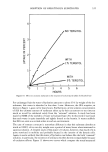
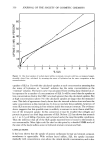
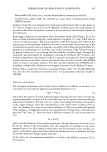
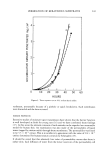
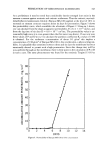
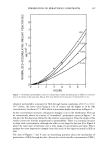
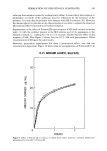
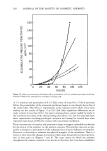
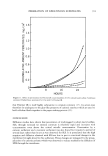
PERMEATION OF KERATINOUS SUBSTRATES 343 ß I I I I I I I I I I I I I f I 0 10 20 30 40 50 60 HOURS Figure 3. Three separate runs at 10% sodium lauryl sulfate surfactant, presumably because of a pinhole or quick breakdown. Such membranes were discarded and the data not used. BARRIER PROPERTIES Extensive studies of moisture vapor transmission have shown that the barrier function is well developed at birth for young rats (16) and we have confirmed these findings (17). In this sense the stratum comeurn of such animals can be regarded as a reasonable model for human skin. An examination was also made of the permeability of liquid water (tagged by tritium oxide) through these membranes. The permeability was found to be 5.5 x 10 -7 cm/sec. This is in satisfactory agreement with the value of 2.8 x 10 -7 cm/sec determined for human stratum comeurn by Scheuplein (15). It should be noted that this relatively low value of permeability means that there is rather slow, back diffusion of water from the lower reservoir of the permeability cell

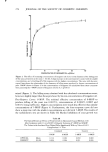
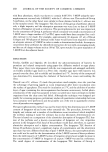
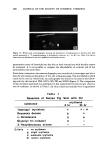
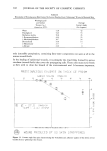
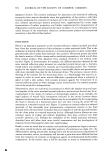
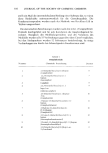
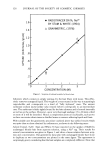
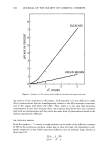
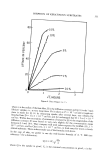
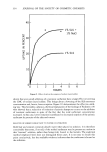
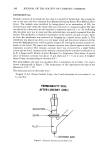
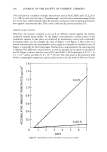
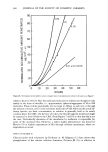
344 JOURNAL OF THE SOCIETY OF. COSMETIC CHEMISTS 0 I 2 3 4 5 6 7 HOURS Figure 4. Two different runs at 0.5 % sodium lauryl sulfate into the concentrated surfactant solution above the membrane (osmotic effect). This flow can be calculated to be something on the order of 1 to 2 mg/hr/cm 2, and is a negli- gible factor for the time and concentrations described below. PERMEATION OF SURFACTANTS Seemingly contradictory opinions have appeared in the literature concerning the permeability of mammalian stratum corneum to surfactants and ionic species in general. The viewpoints of Blank (7,8), that both cationic and anionic surfactants penetrate human epidermis with great difficulty or not at all, and of Scala (9), that permeability of human skin continually increases with exposure to these surfactant types, were reconciled by Scheuplein (5) who showed the great effect of concentration. The data for sodium lauryl sulfate given below confirm his interpretation.
Purchased for the exclusive use of nofirst nolast (unknown)
From: SCC Media Library & Resource Center (library.scconline.org)