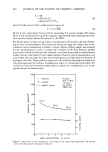
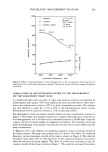
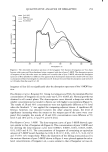
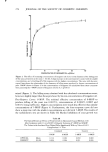
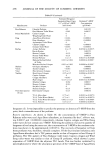
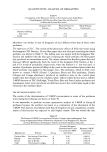
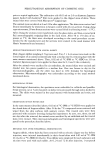
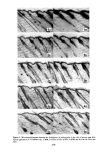
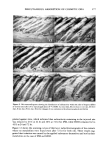
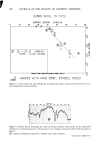
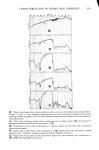
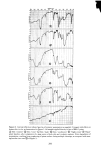
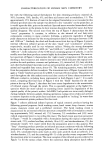
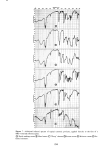
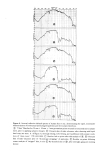
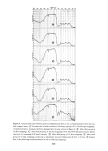
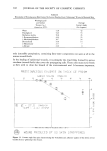
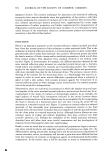
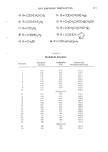
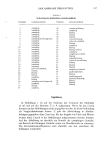
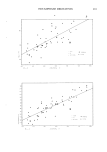
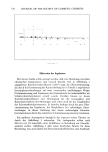
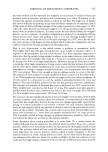
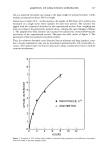
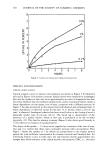
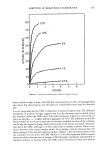
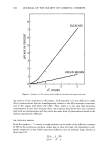
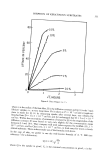
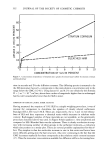
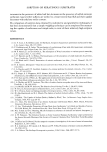
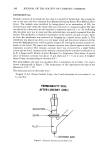
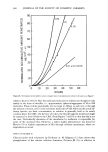
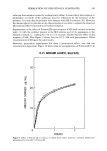
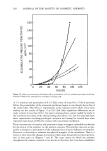
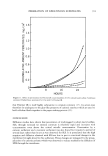
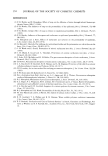
290 JOURNAL OF THE SOCIETY OF COSMETIC CHEMISTS HUMRN SKIN, IN SITU SURFACE TENSION DTNE$/CM 2o so 4o so 6o ' (]) • (D • • • 37.8 DYNES/CM + • •LOPE = -0.022 CM/DYNE P•ZHT• •[TH • •Y•L• •BT IND. LI!•J [# •'TNRI{•T L[I,E 7o 8o I :-, i. --. /- NRSHED NITH HF•ND SORP RINSED DRIED Ealspa. • Figure 4. Contact angle data plot typifying the wettability and surface energy of human skin free of cos- metic preparations or greasy residues Figure 5. Infrared spectra illustrating the utility of internal reflection spectroscopy for the noninvasive evaluation of cosmetic preparations on human skin in situ. Compare with spectra of the cosmetics, alone, in Figure 6. O Residue of liquid hand soap used to establish "clean" skin conditions. (Continued on Page 291.)

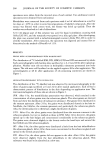
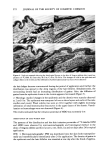
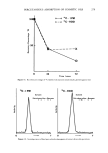
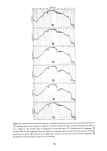
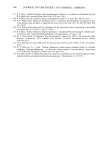
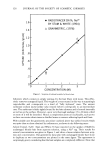
CHARACTERIZATION OF HUMAN SKIN CHEMISTRY 291 •7o (j•) "Blank" prism baseline for an internal reflection plate constructed of the thallium bromide salt, KRS-5, 20 mm x 50 •mm x 2 mm. Absorption bands shown are for trace hydrocarbon cøntaminant from prism polishing and from atmospheric CO2 and H20 unequally sampled between sample .,and reference beams of spectrophotome•er. : {• "Clean" skin of forearm, female subject, resting upon face of"blank" prism of (•). Note absence of absorption bands which would indicate soap residues of (•). (• Forearm skin of same subject, following use of cosmetic cleanser and skin toner rinse, according to instructions of supplier. • Forearm skin of same subject, after preparation as in (•, further treated with "skin mask" cosmetic preparation and "conditioner" preparation, again according to supplier's instructions. (• Forearm skin of same subject, finally treated with "night cream" after "cleansing" and "conditioning" of (• and (•), following supplier's instructions.
Purchased for the exclusive use of nofirst nolast (unknown)
From: SCC Media Library & Resource Center (library.scconline.org)