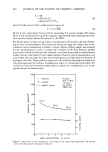
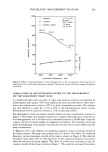
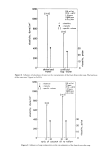
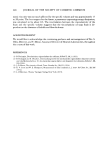
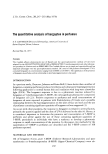
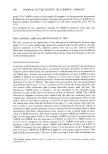
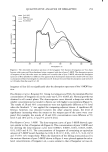
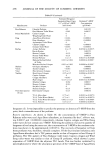
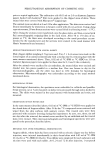
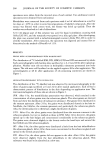
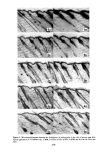
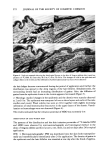
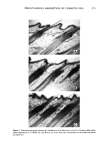
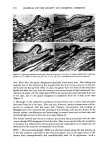
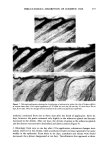
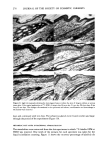
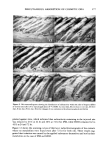
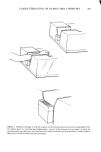
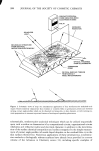
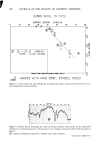
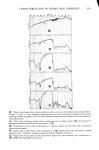
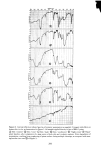
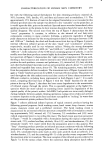
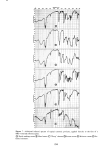
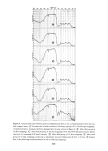
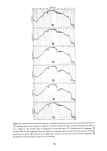
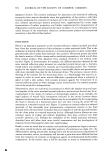
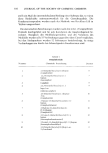
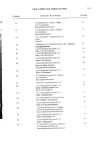
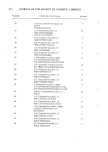
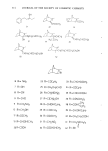
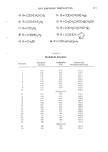
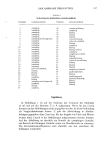
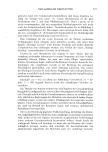
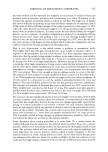
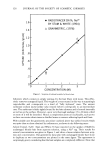
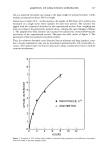
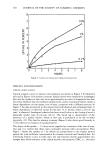
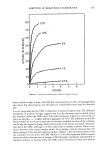
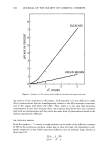
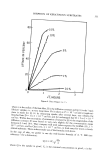
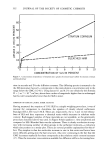
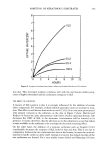
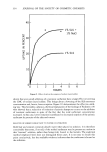
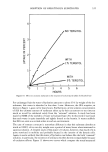
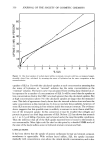
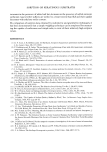
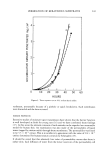
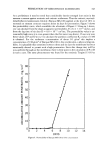
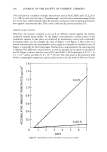
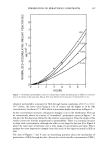
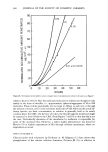
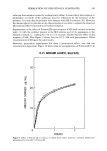
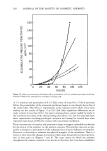
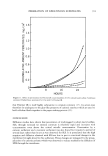
i I Figure 7. Additional infrared spectra of typical cosmetic products, applied directly to the face of a KRS-5 internal reflection plate. (•) Facial washing cream (•) Hand cream ¸ "Deep" cleanser(• Suntan cream (•) Moisture cream (• Per- fumed ointment. 296

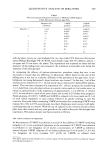
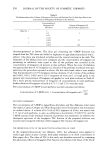
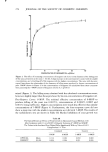
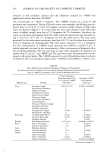
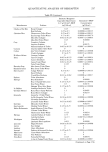
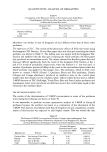
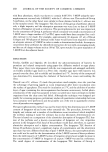
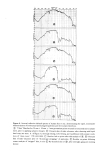
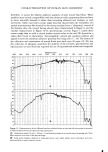
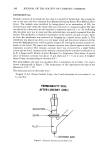
CHARACTERIZATION OF HUMAN SKIN CHEMISTRY 297 the presence of a large quantity (about 5%) of an active sun screening agent such as isobutylparaamino benzoate, along with about 10% fatty esters. The vehicle for this preparation, about evenly split between alcohol and water, quickly evaporated away. The moisture cream spectrum reveals a formulation of fatty ester materials in an ali- phatic hydrocarbon base. This spectrum was closely matched by a test formulation containing some 25% of hydrogenated vegetable oil, 20% mineral oil, 10% beeswax, 3% lanolin, and emulsified with surface-active agents (present to about 7% of the original formulation) in 35% water. The lowermost trace of Figure 7 characterizes a commercial, perfumed ointment base containing what is spectrally identified as a polymeric ingredient similar in many ways to polyethylene oxide, a highly hydrophilic film-forming material. ASSESSMENT OF SKIN CHEMICAL AND MOISTURE LEVELS Figure 8 presents another series of internal reflection, infrared spectra of human skin in sDu, to demonstrate the utility of the method for rapid and noninvasive characteriza- tion of intact and damaged epidermal layers, together with the exudates and/or debris from wounded skin surfaces. At the top of Figure 8, the bowl-shaped but otherwise relatively featureless trace is for the "clean" baseline of a 50 mm x 20 mmx 2 mm germanlure prism. This prism was mounted in the same horizontal attachment used for the characterization of cosmetics described in the foregoing section. The only change made for skin-profiling work has been to the more biologically safe and moisture resistant germanium internal reflection element. The second trace from the top of Figure 8 provides the infrared spectrum of the forearm skin of a male volunteer, after that skin area had been cleaned in our standard manner with hand soap (see the top trace of Figure 5) followed by rinsing, towel drying, and equilibrating the skin with the constant conditions of a clean room (72øF, 40% relative humidity). Immediately below that spectral characterization of human skin in situ is a rerun of the spectral charac- teristics of the germanium prism after lifting the arm from contact with the prism. This trace characterizes only the residue on the prism face, deposited during the ap- proximately 10 rain of skin contact which it experienced. The interpretation of the small infrared absorptions shown on this trace is that they are hydrocarbon, ester and glycoproteinaceous residues from the dried insensible perspiration accumulated on the prism face during the skin analysis, along with some shed epidermal cells that were revealed to be present by microscopic inspection. The fourth spectrum from the top of Figure 8 characterizes, again, the forearm skin of our male volunteer, but this time after ten "Scotch tape strippings" of the epidermal layers. It is immediately clear that this process caused the exposure of more highly hydrated (subsurface) cellular zones than had characterized the external skin surface in equilibrium with the room's relative humidity. Note particularly the large general increase in absorption in the region from 3000 to 3600 cm -•, and the equally large increase in intensity (and lack of defin .tion, characteristic of hydrated proteins) in the Amide I and II bands. The next trace (Sth from the top in Figure 8) illustrates the character of the residue left by this mildly damaged skin wound during its period of contact. Although slightly greater in quantity than that left by the undamaged skin, the qualitative characteristics of the residue are similar. Little evidence is shown for there having been sufficient damage to the epi- dermis by ten skin-strippings to change its permeability to serous components of the
Purchased for the exclusive use of nofirst nolast (unknown)
From: SCC Media Library & Resource Center (library.scconline.org)