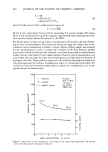
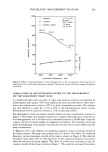
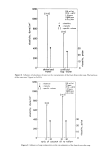
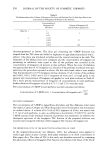
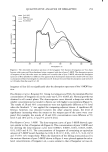
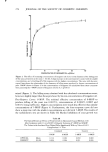
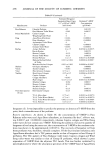
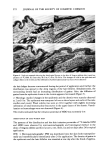
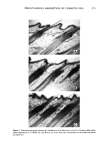
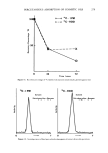
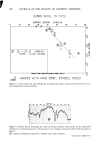
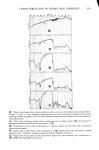
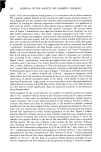
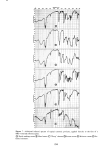
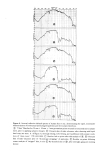
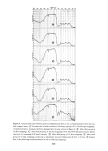
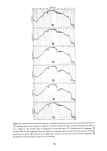
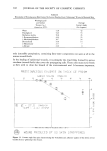
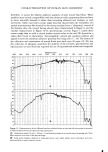
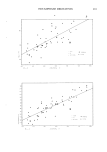
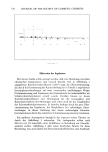
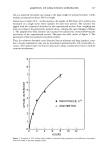
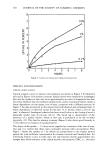
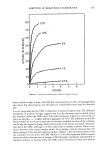
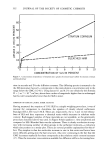
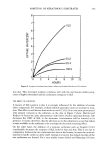
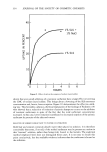
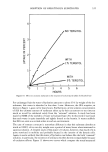
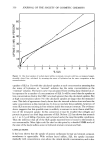
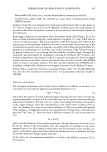
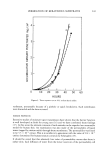
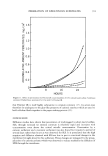
PERCUTANEOUS ABSORPTION OF COSMETIC OILS 279 100' I• o o •4C- I PM x---x "C-HDO •O I I 0 24 72 Time hours Figure 11. Recovery percentage of •4C-labelled oils injected intradermally, plotted against time 14C- I PM Solvent Petroleum ether - Benzene : 14C-HD O A Solvent Petroleum et h..er- Benzene •, F 0 • Figure 12. Scanning curves of thin layer radiochromatograms of extracts from skin specimens

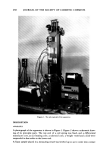
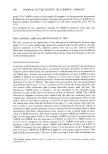
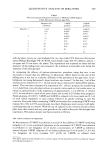
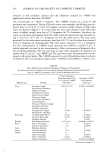
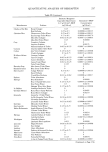
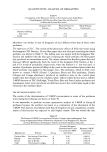
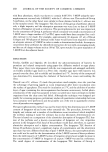
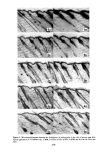
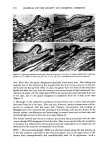
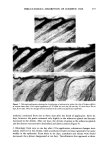
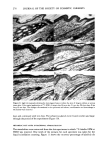
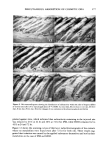
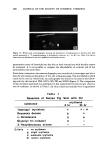
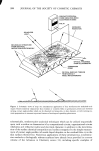
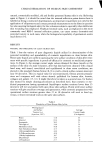
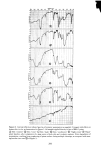
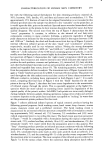
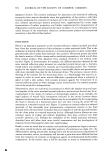
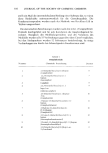
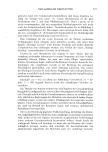
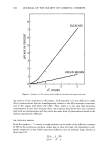
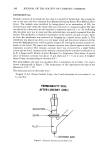
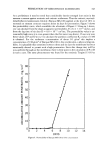
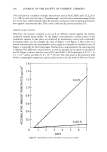
280 JOURNAL OF THE SOCIETY OF COSMETIC CHEMISTS Figure 13. Whole body autoradiograms showing the distribution of radioactivity in hairless mice after topical application of •4C-hexachlorophene in hydrophilic ointment. A) 1 hr, B) 6 hr. After 6 hr, the ra- dioactivity was distributed in the liver, gallbladder and small intestine penetration routes of chemicals into the skin or their interactions with the skin cannot be examined. It is not possible to compare the absorbability of cosmetic oils of low permeability with each other. From these viewpoints, microautoradiography was introduced to investigate and eluci- date the percutaneous absorption of five oils with guinea pigs. The absorbability which could not be seen by whole body autoradiography was found to decrease in the follow- ing order by this method: IPM, GTO, OD, DD and HDO (Figure 2). The comparison of skin irritation potentials was attempted in this experiment by macroscopic observa- tion of erythema. As shown in Table I, the skin irritation potentials were in agreement Table I Response of Guinea Pig Skin with Oil erythema substance 6 hr 24 hr Isopropyl myristate Decanoxy decane n- Octadecane Glyceryl tri-(oleate) 2- Hexyldecanoxy octane Criteria -- no erythema -!- slight erythema -I- moderate erythema -H- severe erythema
Purchased for the exclusive use of nofirst nolast (unknown)
From: SCC Media Library & Resource Center (library.scconline.org)