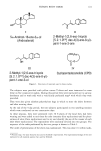
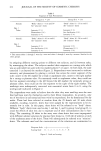
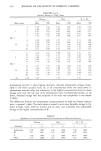
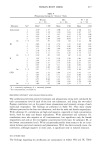
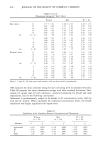
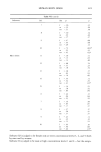
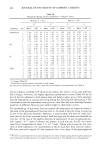
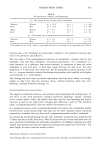
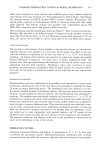
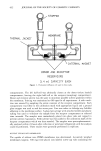
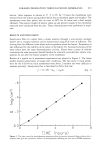
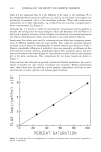
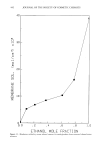
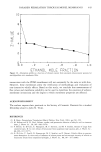
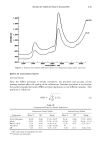
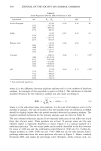
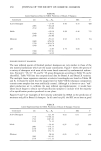
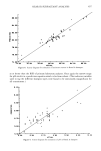
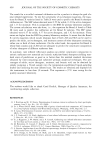
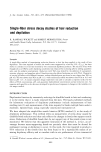
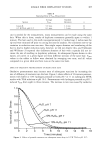
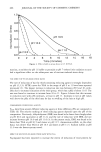
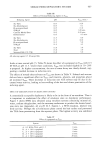
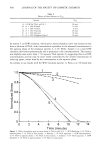
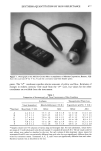
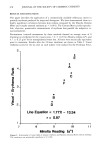
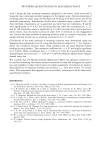
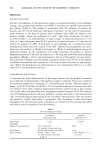
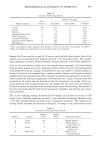
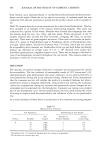
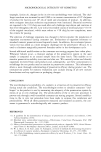
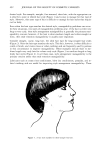
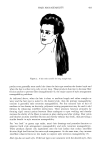
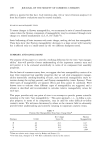
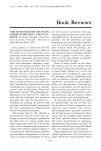
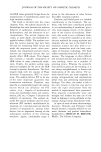
492 JOURNAL OF THE SOCIETY OF COSMETIC CHEMISTS desired style. For example, straight, fine-textured, short hair, with the appropriate cut is ideal for a pixie or related hair style (Figure 1) and is easy to manage for that type of style. However, this same type of hair is difficult to manage for hair styles that require curl or body. Even when the hair type matches the desired style, manageability problems can occur. In these situations, two types of manageability problems arise. If the hair is either very long or very curly, then style arrangement manageability is generally the primary man- ageability concern however, if the hair is short-medium length and either straight or wavy, then style retention manageability is usually more important. Consider straight, coarse, long hair, the ideal hair type for long straight hair styles (Figure 2). Here the hair type matches the style. This hair, however, is often difficult to comb or brush, and creme rinses or other combing aids are frequently used by persons in this circumstance to improve manageability. Other examples include short to me- dium length very curly hair for a short-curly style (Figure 3) or medium length to long kinky hair styles (Figure 4). In all these cases, style arrangement manageability is the primary concern rather than style retention manageability. Lubricants such as creme rinse conditioners, blow dry conditioners, pomades, and re- lated combing aids are useful for improving style arrangement manageability. These Figure 1. A hair style suitable for short-straight fine hair.

HAIR MANAGEABILITY 493 Figure 2. A hair style suitable for long straight hair. products are generally more useful the closer the hair type matches the desired style and when the hair is either very curly or very long. These products function to decrease fiber friction and/or to prevent fiber entanglements (4), the major causes of style arrangement manageability problems. As indicated above, when the hair is short to medium length and either straight or wavy and the hair type is suited to the desired style, then the primary manageability concern is generally style retention manageability. For fine textured hair or hair of medium to low density on the scalp, polymeric setting preparations may be used to add fullness by enhancing interfiber interactions. These products function primarily by forming rigid contact points between fibers analogous to spot welding and thereby increase the ability of the fibers to remain in place during and after styling. Hair colors and bleaches increase interfiber friction and thereby enhance hair body, thus providing a similar benefit in style retention manageability. For "wet look" or greasy type styles, men's hair dressings and pomades function to improve both style arrangement manageability and style retention manageability. These products deposit oily ingredients onto the hair surface that reduce interfiber friction (high load friction) for easier style arrangement. At the same time, they increase interfiber cohesive forces (at low loads) to improve style retention manageability (5). Hair type does not match style. If the hair type is not consistent with the desired style, then
Purchased for the exclusive use of nofirst nolast (unknown)
From: SCC Media Library & Resource Center (library.scconline.org)