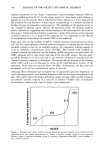
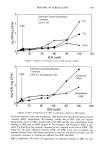
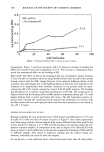
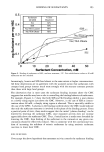
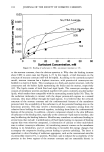
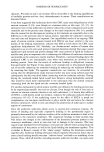
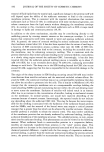
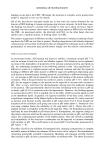
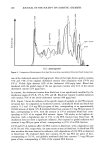
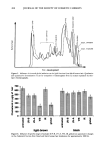
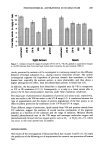
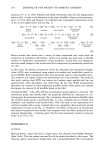
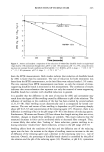
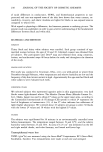
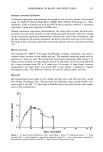
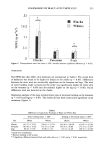
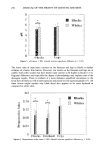
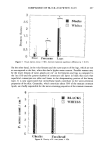
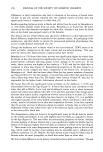
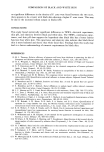
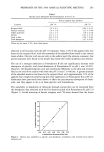
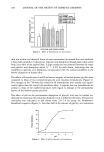
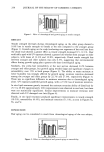
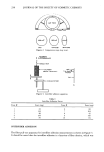
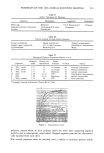
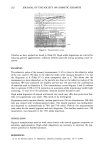
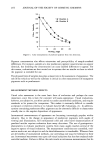
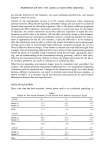
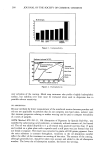
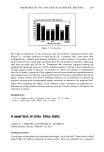
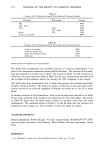
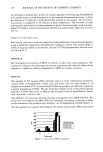
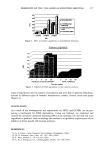
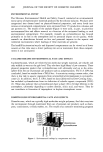
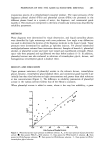
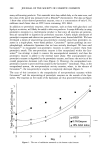
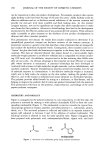
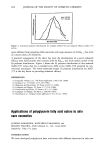
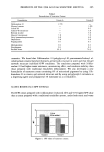
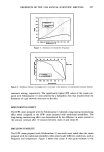
296 JOURNAL OF THE SOCIETY OF COSMETIC CHEMISTS Table II Formulations of Emollient Creams Formulation Cream A Cream B Nikkomulese 41 2.5% -- Ceteth-20 -- 1.0% Sorbeth-40 tetraoleate -- 0.5 Glyceryl stearate -- 1.0 Behenyl alcohol -- 4.0 Squalane 10.0 10.0 Pentaerythrytol tetraoctanoate 10.0 10.0 Propylparaben 0.1 0.1 Methylparaben 0.2 0.2 Xanthangum 0.3 0.3 Purified water 76.9 72.9 Figure 2. Water content in the stratum corneum. Table III Formulation of Sunscreen Cream Polyglyceryl-6 ricinolate Micronized titanium dioxide Octyldodecyl neopentanoate Caprylic/capric triglyceride Phenylmethicone Nikkomulese 41 Octyldodecyl neopentanoate Cetyl alcohol Propylparaben Polyglyceryl- 10 isostearate Methylparaben Xanthangum Purified water 1.5% 8.0 5.0 5.0 15.0 2.0 5.0 2.0 0.1 3.0 0.2 0.3 52.9

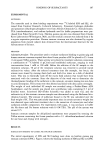
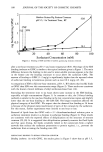
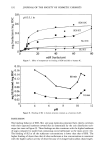
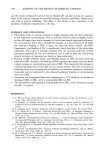
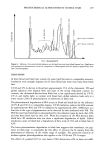
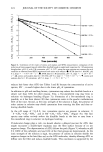
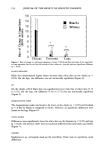
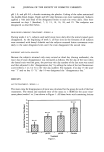
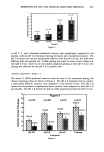
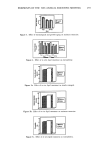
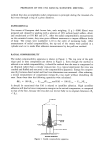
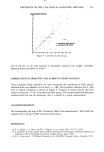
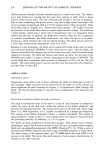
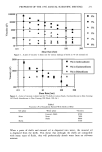
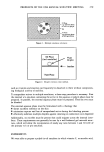
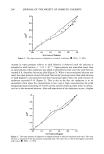
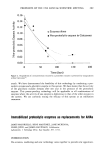
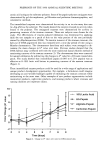
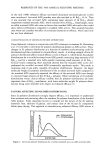
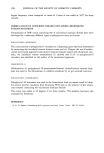
PREPRINTS OF THE 1996 ANNUAL SCIENTIFIC MEETING 297 Figure 3. Resistance of creams for frequency. Figure 4. Interfacial tension of polyglyceryl-6 ricinolate in the presence of micronized titanium dioxide. resistance testing, respectively. The significantly higher SPF values of the cream pre- pared with Nikkomulese 41 were achieved by a liphophilic film that resulted from the formation of a gel network structure on the skin. MOISTURIZING EFFECT The O/W cream prepared with the Nikkomulese 41 showed a long-lasting moisturizing effect when compared to the O/W cream prepared with traditional emulsifiers. The long-lasting moisturizing effect was demonstrated by the difference in water content in the stratum corneum after 10 minutes between cream A and cream B. EMULSION STABILITY The O/W cream prepared with Nikkomulese 41 was much more stable than the cream prepared with the traditional emulsifiers when tested under different conditions, such as frequency and temperature. Figure 3 shows that cream A was quite resistant to the
Purchased for the exclusive use of nofirst nolast (unknown)
From: SCC Media Library & Resource Center (library.scconline.org)