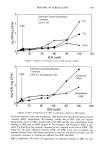
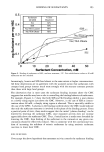
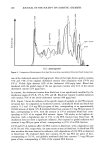
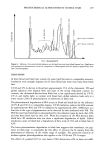
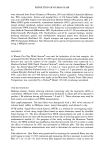
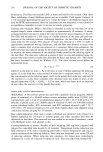
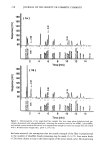
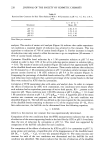
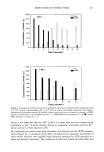
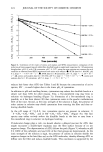
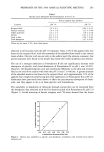
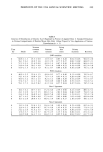
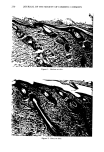
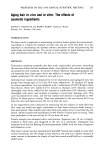
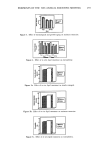
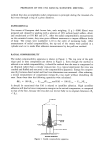
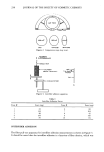
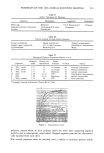
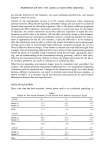
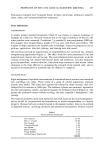
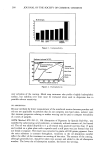
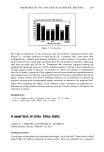
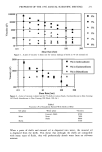
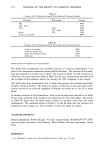
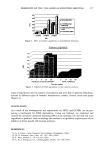
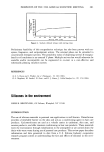
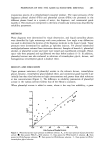
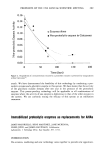
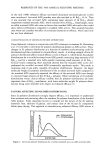
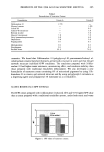
PREPRINTS OF THE 1996 ANNUAL SCIENTIFIC MEETING 261 Table 11 Surface Treatments for Pigments Lipophilic Hydrophobic Lipophobic Hydrophilic Metal soap Methicone C9-15 Fluoroalcohol Isopropyl titanium triisostearate Triethoxycaprylyl silane phosphates Lecithin Dimethicone Polyionic Table III Vehicles Suitable for High Solids Dispersion Isonoyl isononanoate Caprylic-capric triglyceride Cyclomethicone Phenyl trimethicone C12-15 Alkyl benzoate Butylene glycol Tridecyl neopentanoate Octyldodecyl neopentanoate Water Table IV Micronized Pigment Dispersions (Figures 1 & 2) Refractive Primary size Surface Pigments index (nanometers) treatment % Solids Vehicle A. TiO2--rutile 2.71 15 A1 stearate 60 B. TiO2--rutile 2.71 15 A1 stearate 42 C. TiO2--rutile 2.71 35 Methicone 50 D. ZnO 1.99 15-35 ITT* 70 E. ZnO 1.99 15-35 Methicone 50 F. TiO2--anatase 2.52 50 ITT* 50 Isononyl isononanoate Phenyl trimethicone Isonoyl isononanoate Octyldodecyl neopentanoate Isonoyl isononanoate Octyl palmitate * Isopropyl titanium triisostearate (Patent #4,877,604) Figure 1. Transmittance curves. polyionic system where an ionic polymer swells the water layer separating pigment particles and is subsequently cross-linked. Charged pigment particles are electrostati- cally repulsed from each other. The treated pigments must be matched with a vehicle to optimize percent solids.

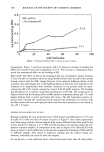
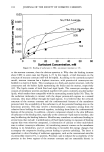
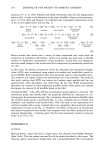
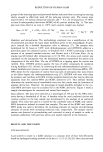
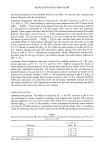
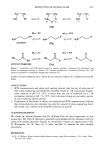
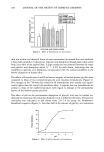
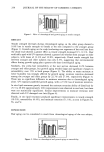
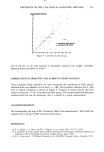
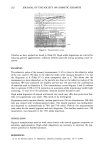
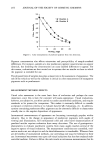
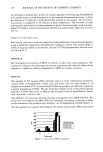
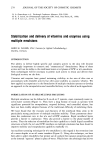
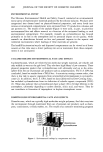
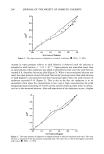
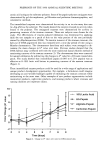
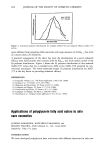
262 JOURNAL OF THE SOCIETY OF COSMETIC CHEMISTS Figure 2. Transmittance curves. Vehicles we have studied are listed in Table III. High solids dispersions are critical for reducing particle agglomerates: collisions between particles during grinding create at- trition. EXAMPLES The refractive index of the isononyl isononanoate (1.44) is closer to the refractive index of the zinc oxide (1.99) than to the refractive index futile titanium dioxide (2.71), but the dispersion in A (Table IV) is more transparent than in E. This shows that the transparency is more dependent on the particle size than on the refractive indices of the materials. We have measured the smallest particle size (70 nm) with the combination of materials used in dispersion A. The transmittance curves (Figures 1 and 2) indicate that to optimize UVB or UVA protection in sunscreens while minimizing visible light scattering, 15 and 35 or 50 nanometer titanium dioxide should be used. High solids dispersion of treated micronized zinc oxide may offer skin protection ben- efits over pigmentary zinc oxide. This needs to be investigated. Pigmentary futile titanium dioxide, median particle size 350 nm (distribution 180-800 nm) was treated with triethoxycaprylyl silane. The treated pigment was hydrophobic and dispersed in cyclomethicone as 70% and 75% solids. Particle size measurements were taken for the treated pigment and each dispersion. The smallest particle size, 240 nanometers, was measured in the 75% solids dispersion. CONCLUSION Pigment manufacturers need to work more closely with treated pigment companies to minimize agglomeration. High solids dispersions are necessary to optimize the pig- ments' potential in finished products. REFERENCES (1) D. H. Solomon and D. G. Hawthorne, Chemistry of Pigments and Fillers, 56-77 (1981).
Purchased for the exclusive use of nofirst nolast (unknown)
From: SCC Media Library & Resource Center (library.scconline.org)