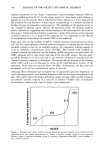
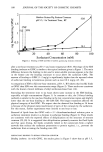
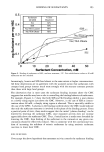
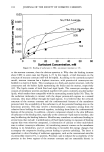
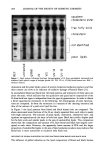
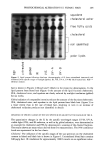
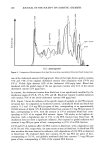
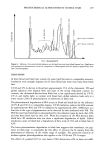
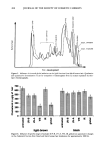
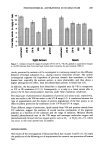
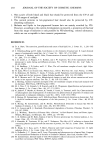
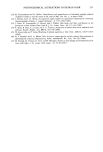
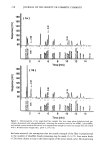
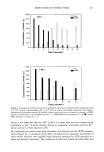
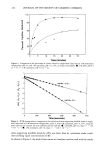
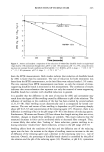
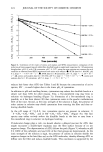
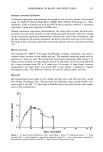
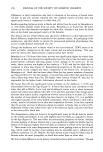
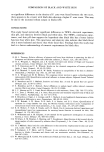
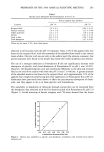
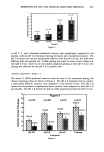
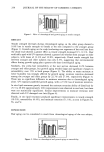
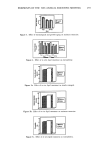
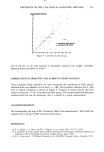
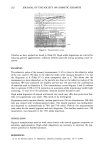
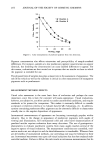
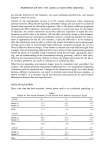
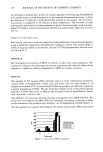
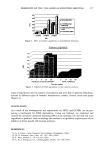
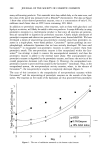
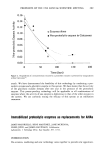
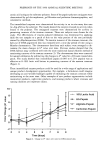
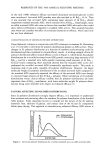
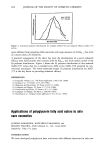
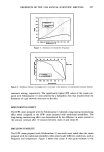
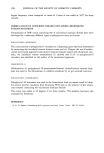
PREPRINTS OF THE 1996 ANNUAL SCIENTIFIC MEETING 297 Figure 3. Resistance of creams for frequency. Figure 4. Interfacial tension of polyglyceryl-6 ricinolate in the presence of micronized titanium dioxide. resistance testing, respectively. The significantly higher SPF values of the cream pre- pared with Nikkomulese 41 were achieved by a liphophilic film that resulted from the formation of a gel network structure on the skin. MOISTURIZING EFFECT The O/W cream prepared with the Nikkomulese 41 showed a long-lasting moisturizing effect when compared to the O/W cream prepared with traditional emulsifiers. The long-lasting moisturizing effect was demonstrated by the difference in water content in the stratum corneum after 10 minutes between cream A and cream B. EMULSION STABILITY The O/W cream prepared with Nikkomulese 41 was much more stable than the cream prepared with the traditional emulsifiers when tested under different conditions, such as frequency and temperature. Figure 3 shows that cream A was quite resistant to the

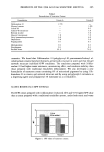
298 JOURNAL OF THE SOCIETY OF COSMETIC CHEMISTS higher frequency when compared to cream B. Cream A was stable at 50øC for three months. FORMULATION OF SUNSCREEN CREAMS CONTAINING MICRONIZED TITANIUM DIOXIDE Formulations of O/W cream containing 8% of micronized titanium dioxide have been developed by combining different types of polyglycerin fatty acid esters. POLYGLYCERYL-6 RICINOLATE The concentration of polyglyceryl-6 ricinolate as a dispersing agent has been determined by measuring the interfacial tension between water and oil. Despite the use of surface- coated micronized pigments (micronized titanium dioxide coated with aluminum stea- rate), the interfacial tension measurement (1) showed that 0.1% of polyglyceryl-6 ricinolate was adsorbed on the surface of the micronized pigments. NIKKOMULESE 41 Nikkomulese 41 (polyglyceryl-10 pentastearate/behenyl alcohol/sodium stearoyl lacty- late) was used in the formulation to stabilize emulsions by its gel network structure. POLYGLYCERYL- 10 ISOSTEARATE Polyglyceryl-10 isostearate was used in the formulation both to prepare small oil drop- lets and to prevent emulsions from becoming W/O type in the presence of free alumi- num stearate containing the micronized titanium dioxide. The cream was stable at 45 degrees C for three months. The stability has been also evaluated by rheometer. REFERENCE (1) G. H. Dahms, Formulating with a physical sun block, Cosmet. Toiletr., 107, 87 (1992).
Purchased for the exclusive use of nofirst nolast (unknown)
From: SCC Media Library & Resource Center (library.scconline.org)