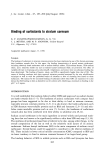
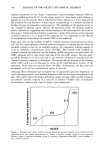
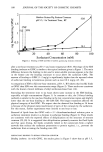
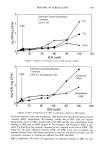
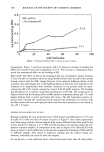
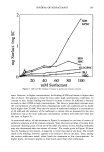
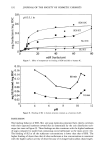
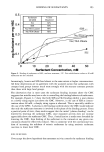
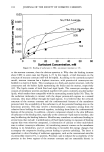
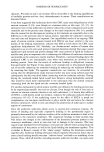
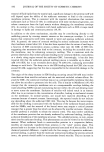
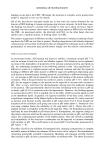
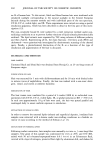
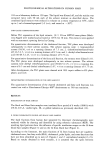
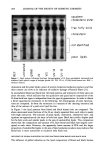
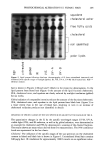
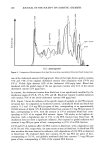
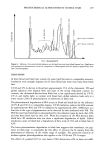
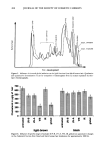
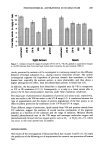
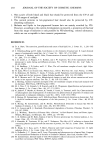
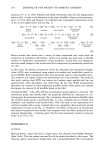
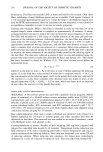
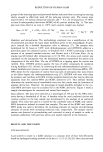
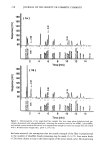
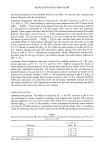
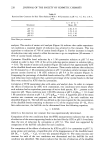
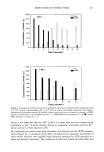
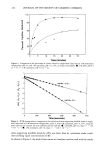
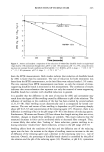
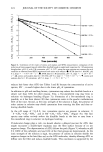
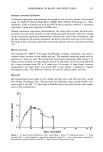
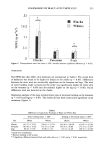
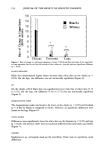
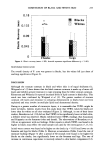
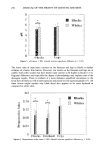
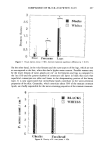
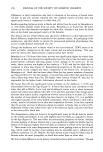
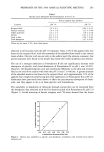
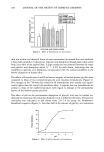
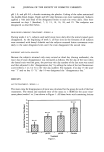
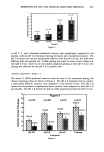
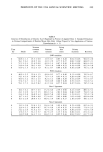
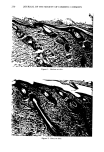
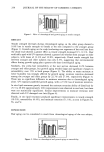
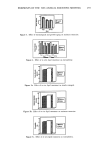
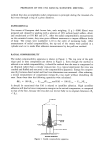
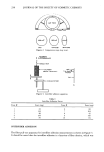
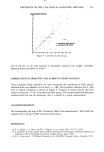
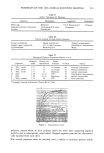
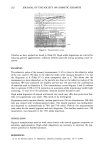
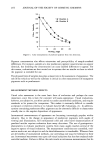
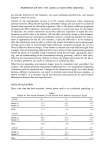
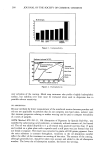
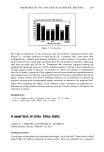
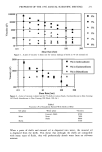
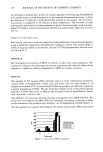
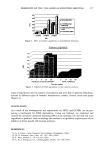
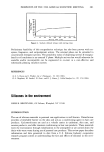
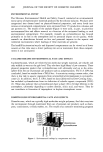
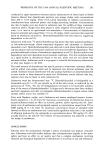
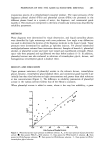
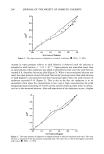
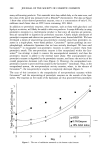
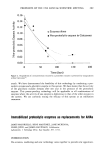
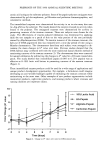
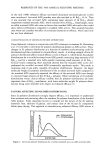
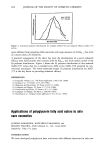
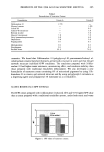
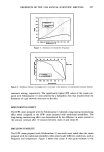
PREPRINTS OF THE 1996 ANNUAL SCIENTIFIC MEETING 255 Figure 3. Effect of chronological and growth aging on moisture retention. Figure 4. Effect of in vitro lipid treatment on extensibility. Figure 5a. Effect of in vivo lipid treatment on tensile strength. / I--IAfter Figure 5b. Effect of in vivo lipid treatment on moisture retention. Figure 5c. Effect of in vivo lipid treatment on extensibility.

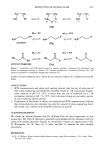
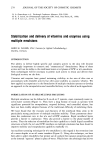
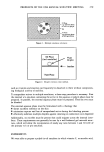
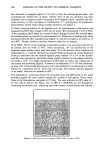
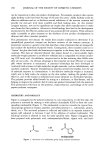
256 JOURNAL OF THE SOCIETY OF COSMETIC CHEMISTS aging as the hair grows away from the scalp over time, and the degree of UV exposure. Deterioration in hair's physical properties occurs more from aging during growth of the shaft and UV exposure than from chronological aging of the test subject. In our tests, changes in tensile strength, low stress extensibility, and the ability to hold water at low humidity paralleled each other. While changes in tensile strength should reflect disul- fide bond deterioration and cortex properties, changes in water retention and low force extension should reflect cuticle properties. Hair from swatches treated singly in vitro or in vivo from subjects using a lipid- containing shampoo and conditioner over a four-week period responded favorably. Ap- plication of a biological lipid complex that mimics the lipids found in healthy hair cuticles resulted in improvements in all three parameters tested. Evaluation of hair body Y. K. KAMATH and H.-D. WEIGMANN, TRI/Princeton, P.O. Box 625, Princeton, NJ 08542. INTRODUCTION Hair body is a psychophysical attribute associated with the bulk and springiness of a hair mass, represented, respectively, by the visual and tactile properties of the hair assembly. Tolgyesi and co-workers (1) defined body as "... the ability of a hair mass to resist and recover from external deformation." Obviously, this definition is related to the tactile characteristics of a fiber assembly such as hair. The physical properties that enable a fiber assembly to resist both deformation and recovery from deformation are fiber modulus and interfiber adhesion, respectively. The typical action used by people in evaluating the springiness of a fiber assembly is one of either pressing or squeezing the assembly with the hand and observing the response, especially on releasing. It has often been conjectured whether these psychophysical characteristics can be pre- dicted from objective measurements in the laboratory. Such measurements will be useful in product developments as well in claim substantiation. With this in view, a radial compressibility method was developed at TRI for the interpretation of the tactile response of a fiber assembly. Mechanistically, it stimulated the squeezing of a hair tress by hand and observing the response. Since recovery from deformation depends on interfiber adhesion, a fiber pull-out method for determining this property was also developed. Following the method of multiple linear regression used by Kawabata (2) in the evaluation of "hand" of textile fabrics, an attempt has been made to predict hair body from the objective measurements described above. In parallel fashion, Garcia and Wolfram (3) have developed a ring compressibility
Purchased for the exclusive use of nofirst nolast (unknown)
From: SCC Media Library & Resource Center (library.scconline.org)