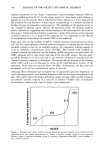
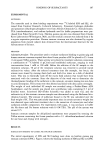
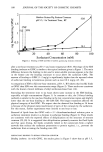
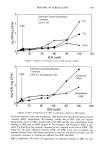
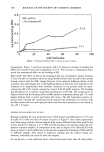
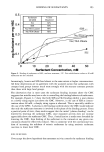
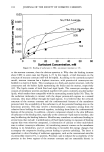
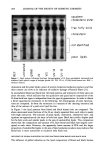
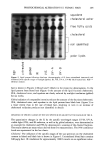
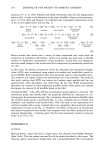
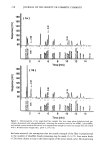
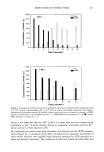
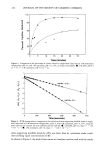
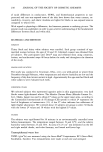
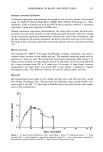
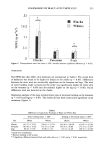
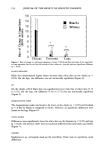
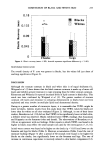
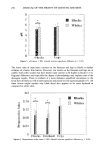
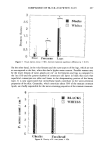
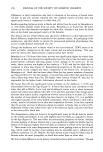
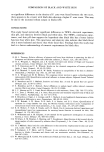
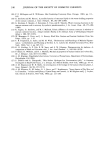
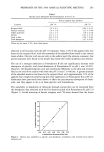
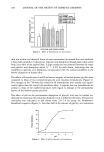
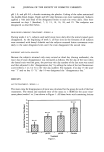
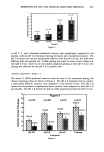
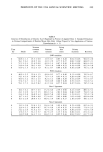
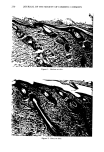
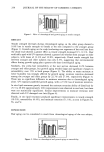
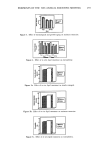
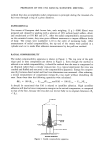
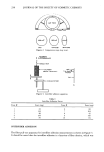
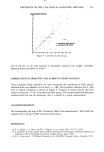
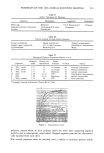
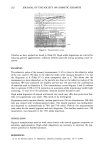
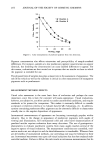
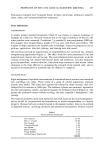
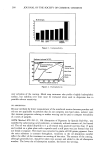
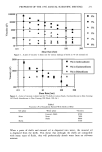
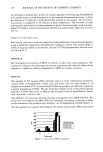
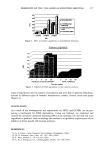
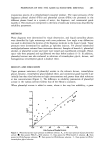
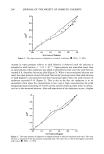
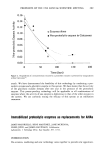
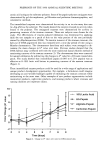
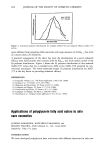
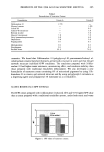
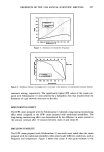
PREPRINTS OF THE 1996 ANNUAL SCIENTIFIC MEETING 267 Treatments evaluated were N-lauroyl lysine, lecithin, metal soap, methicone, polyeth- ylene, silane, and unreacted perfiuoro compound. TEST METHODS COMPRESSIBILITY A simple pressed powder formulation (Table I) was chosen to measure resistance to breakage by a drop test. The only variation was in the type of treatment on the talc the other powders were untreated. Conditions: 5 g powder/43 mm pan/pressure 2000 psi. Five samples were dropped from a height of 27 cm onto a lab bench until broken. The number of drops represents the number prior to breakage. Subjective properties such as pick-up, application, skin feel, glazing, and dusting were also noted. All treatments provide an improvement in compressibility over untreated talc, without compromising application (Figure 1). The effect would be more pronounced if all raw materials were treated, not just the talc. The control formula dusts excessively, as do the versions containing talc treated with lauroyl lysine and methicone. Lecithin treatment gives the smoothest, moistest skin feel, with metal soap treatment a close second. Silane treatment is the most effective in increasing the strength of the pressed cake, and so would be recommended for materials that are difficult to compress. HYDROPHOBICITY Eight milligrams of specified concentrations of a methanol/water mixture were measured into centrifuge test tubes. Three tenths of a gram of treated pigmentary titanium dioxide were added. The tubes were agitated by rolling for thirty seconds, then cen- trifuged for five minutes at 3000 rpm. The sediment volume was measured, reported as percent total pigment volume, and plotted against the methanol content (Figure 2). The greater the methanol content without settling, the more nonpolar ("hydrophobic") the coating. The titanium dioxides coated with methicone and with silane are the most hydrophobic, and so would be recommended for formulations in which waterproofness is a desired property. Because both are covalently bound to the pigment surface, they can be utilized in dispersed systems, including emulsions and anhydrous formulations, without concern Table I Pressed Powder Formulation Talc (treated) Mica ( 15 Zinc Stearate Titanium Dioxide Iron Oxides Methyl Paraben Propyl Paraben Caprylic/Capric Triglyceride 55.40 30.00 3.00 5.60 2.70 0.20 0.10 3.00 100.00

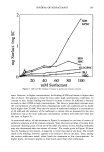
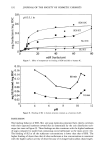
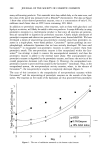
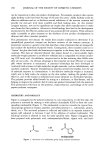
268 JOURNAL OF THE SOCIETY OF COSMETIC CHEMISTS # of Drops Unlrealed Metal [.aur. oyt. Melhicone Lecilhin Unreacted Silane Soap Ly$•ne Perfiuoro Compound Figure 1. Compressibility. Sediment volume % TiO2 ••U•reacte• .e•lu•ro• r / Compound / '•r" Untreated J /'.o,Vo,.v,on•"'" / '• Lauro. I Lysin. V • Lecithin I / / 10 20 30 40 50 60 Methanol content volume % Figure 2. Hydrophobicity. over solvation of the coating. Metal soap treatment also yields a highly hydrophobic surface, but stability over time must be evaluated when used in dispersion due to possible solvent sensitivity. OIL ABSORPTION Because methods for direct measurement of the interfacial tension between powders and oils are not applicable to powders that do not compress into hard cakes, indirect tests that measure properties relating to surface wetting can be used to compare wettability of a series of samples. ASTM Method •D 281-31, Oil Absorption of Pigments by Spatula Rub-Out, was modified by substituting octyl palmirate, a commonly utilized cosmetic oil, for linseed oil. The oil was added dropwise to 1 g of treated mica (particle size less than 15 txm) and worked on a glass plate with a spatula until a stiff paste was just formed that did not break or separate. The result was converted to grams oil/100 grams pigment. Since the mica substrate is constant throughout, variations in the oil absorption number reflect the effect of the treatment on wetting of the mica. The amount of the coating, although generally low, should be taken into account and added to the oil absorption number. The lower the oil absorption number, the better the wetting.
Purchased for the exclusive use of nofirst nolast (unknown)
From: SCC Media Library & Resource Center (library.scconline.org)