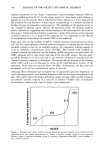
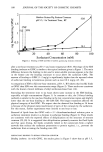
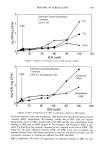
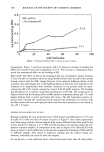
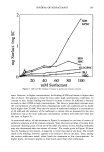
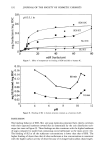
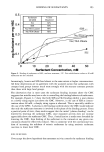
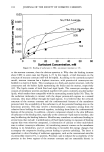
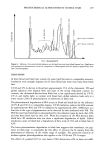
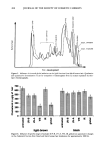
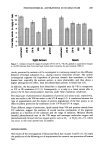
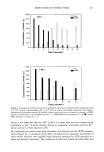
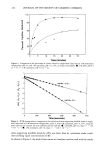
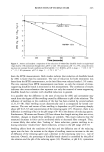
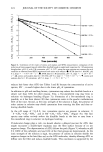
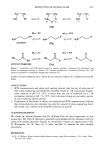
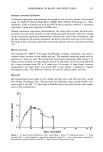
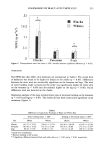
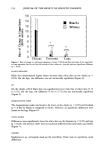
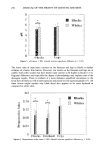
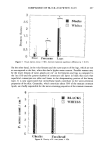
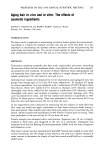
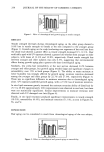
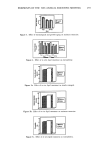
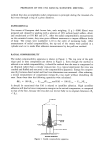
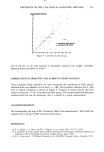
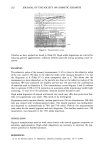
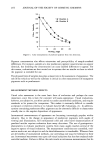
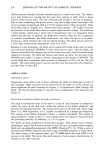
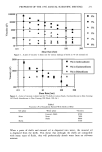
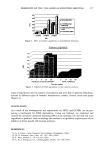
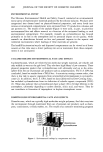
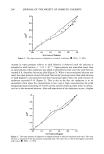
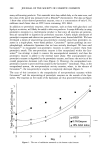
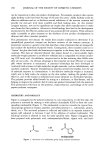
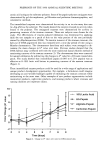
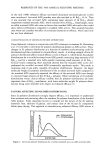
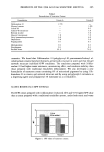
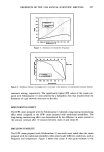
COMPARISON OF BLACK AND WHITE SKIN 237 ! 2.5 L 1.5 1 ..,•.. o.s 0'" Face Forearms Legs Blacks Whites Figure 7. Visual dryness (mean + SD). Asterisk represents significant difference (p 0.05). On the other hand, in the volar forearm and the outer aspects of the legs, which are not as sun-exposed as the face, white skin had a higher water content. Possible reasons may be the lower density of sweat glands per cm 2 on the forearms and legs as compared to the face (18) and the greater number of corneocyte cell layers in black skin such that superficial corneocytes are older and looser in the desquamating portion of the horny layer. It is now appreciated that intercellular lipids contribute to the water-retention properties of the skin. Ceramides, which constitute about 50% of the stratum corneum lipids, are chiefly responsible for the water-retaining properties of the stratum corneum. 6 • . • 1 L ? o ? BL.ACKS WHITES Cheeks Forehead Figure 8. Density of P. acnes (mean q- SD).

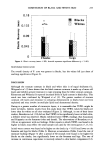
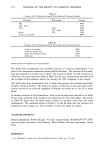
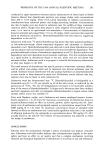
238 JOURNAL OF THE SOCIETY OF COSMETIC CHEMISTS Differences in lipid composition may lead to variations in the amount of bound water (19,20). It was also recently reported that the ceramide content of black skin was significantly lower in comparison to white skin (21). Results regarding hydration levels in blacks and whites from the study by Berardesca et al. (10) closely parallel results from our study. Berardesca et al. found that the water content on the volar forearms was higher for white skin, whereas it was lower for black skin on the dorsal (sun-exposed) aspects of the forearms. The density and size of hair follicles may also lead to differences in skin hydration (18). Racial differences might also be attributed to the melanin content, the packaging of the melanocytes, and their ability to prevent the pronounced epidermal photodamage that occurs in light-skinned individuals (22-24). Though the hydration level in blacks varied in the sites evaluated, TEWL seems to be lower in blacks, irrespective of the water content and sun-induced damage. This sup- ports the notion that blacks possess a superior horny layer barrier. Berardesca et al. (10) found that elastic recovery was significantly higher for whites than for blacks on the volar forearm but significantly lower for whites than for blacks on the dorsal forearm, probably reflecting greater actinic damage in the latter site. In our study, elastic recovery was higher on the cheeks (p 0.05) and legs for black skin as compared to white skin (Figure 4). Biomechanical properties of the skin depend to a large extent on the collagen and elastic components of the dermis (25). According to Montagna et al., black skin has fewer elastic fibers but has greater numbers of oxytalan and elaunin fibers (17). On the contrary, it has also been stated that black skin has more elastic fibers than white skin (26). The higher water content of black SC may also be responsible for the higher elastic deformation observed on the cheeks. We found that pH was significantly lower in blacks on the cheeks (p 0.05) and directionally lower on the legs (Figure 5). A better skin barrier may contribute to the lower skin pH in Blacks. Lactic acid and dicarboxylic amino acids in sweat secretions mixed with sebum may influence skin pH. It has also been postulated that though sweat decreases skin surface acidity, evaporation of sweat causes acidity to increase (27). Since the number of sweat glands in blacks has been found to be higher (17), it is probable that higher amounts of the water-soluble components, which contribute to skin surface acidity, may be left behind on the skin after evaporation of sweat. It has been reported that the activity and size of sebaceous glands are greater in blacks than in whites (28). Hydrolysis of fatty acids, which form a part of the sebaceous lipids, may also contribute to the lower pH in black skin. The desquamation index was found to be significantly lower for blacks than for whites on the cheeks and forehead. It was only slightly lower for blacks as compared to whites on the legs (Figure 6). This may reflect the moisturizing properties of sebum. Analysis of visual grading of dryness showed that it was significantly higher for blacks than for whites on the legs and slightly lower for blacks as compared to whites on the face (Figure 7). There seems to be some disagreement between visual grading scores on the face and legs, which could be fiecause visual grading may be unreliable and is influenced by ambient conditions (13,29). Besides, the high dryness scores (visual) for blacks may be because scales are more perceptible on black skin rather than on white skin. We did not find differences in the density of aerobes between blacks and whites. Though
Purchased for the exclusive use of nofirst nolast (unknown)
From: SCC Media Library & Resource Center (library.scconline.org)