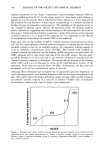
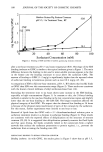
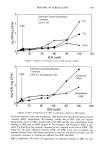
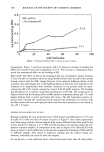
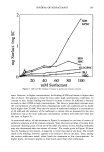
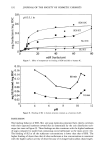
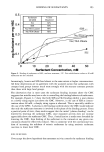
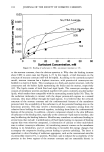
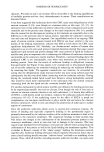
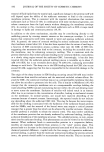
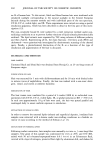
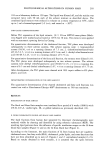
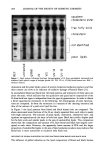
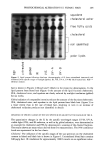
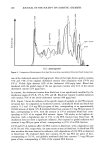
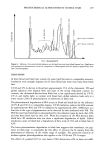
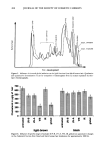
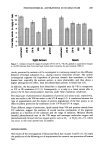
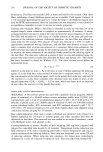
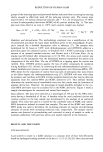
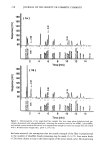
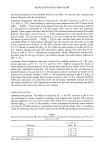
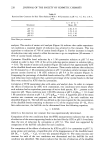
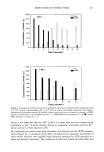
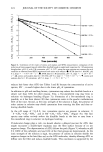
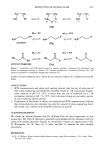
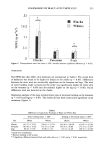
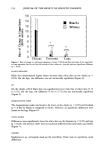
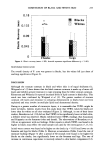
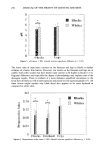
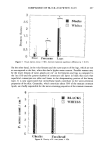
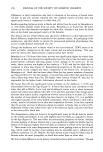
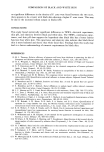
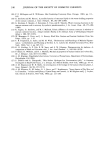
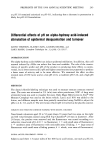
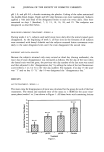
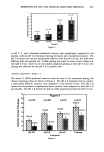
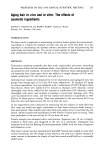
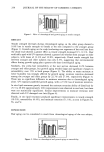
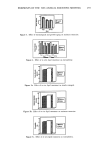
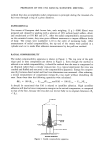
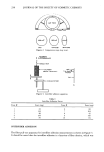
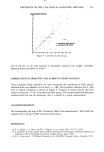
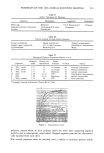
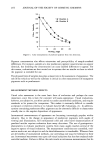
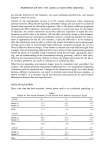
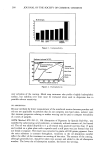
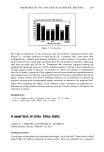
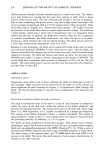
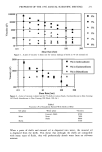
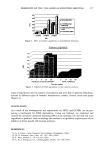
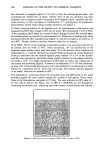
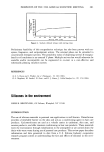
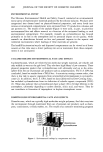
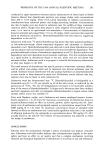
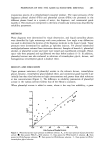
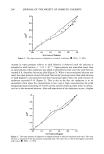
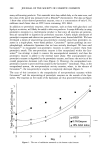
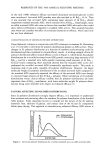
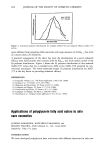
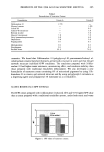
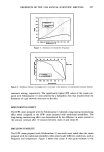
PHOTOCHEMICAL ALTERATIONS IN HUMAN HAIR 205 squalene cholesterol ester free fatty acids cholesterot not idenfified polar [ipids Figure 2. Lipid pattern following thin-layer chromatography of IL from unirradiated (untreated) and irradiated [with specific ranges of sunlight (global, IR, VIS, UV-A, UV-B)] black human hair. REF = reference mixture. hair is shown in Figures 4 (blond) and 5 (black) in the respective densitograms. In the lipid pattern from blond hair (Figure 4) the amount of the lipid fractions cholesterol, FFA, cholesterol ester, and squalene are clearly reduced by sunlight irradiation (global) for six weeks. Global radiation of comparable intensity reduces the amount of the fractions cholesterol, FFA, cholesterol ester, and squalene in the lipid pattern from black hair (Figure 5) to a lesser extent than in the case of blond hair, resulting in turn in an increase of cholesterol oxidation products (not identified in detail). INFLUENCE OF SPECIFIC RANGES OF THE SUN SPECTRUM ON QUANTITATIVE CHANGES IN THE IL The quantitative changes in the IL by the specific wavelength ranges UV-B, UV-A, visible light (VIS), and IR radiation, as well as by global radiation, were determined as an example for cholesterol and FFA by densitometric scanning of the charred fractions. The results shown are mean values derived from five measurements. The 95 % confidence levels are represented in the bar charts. Cholesterol. The influence of the specific ranges of the sun spectrum on the cholesterol content in blond and black hair is shown in Figure 6. Unirradiated blond hair contains 640 I•g/g hair. IR irradiation for approximately 1000 h results in no significant reduc-

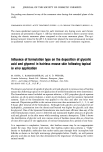
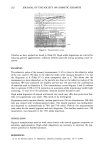
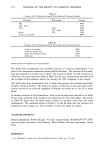
206 JOURNAL OF THE SOCIETY OF COSMETIC CHEMISTS Ill, • I : I ' 1111 I/I '.., Ili,, I o., I 1• I II -,- I x , light'- brow TLC- rteve[opmenf Figure 5. Comparison ooe de•si•osmms oemm lipid oemc•ions oemm uni•mdi•ed blo•d •nd bl•ck human tion of the cholesterol amount (620 Ixg/g hair). Hair of this light-brown quality contains 73% and 74% of the original cholesterol amount after irradiation with UV-B and UV-A. Visible light destroys 62% of the cholesterol (240 Ixg/g hair). Blond hair irradiated with the global range of the sun spectrum contains only 41% of the initial cholesterol content (255 Ixg/g hair). In contrast, the cholesterol content from black hair is not significantly modified by the irradiation ranges of UV-B, UV-A, VIS, and IR. Black hair exposed to global radiation still contains 76% of the initial cholesterol content (440 Ixg/g hair). FFA. Figure 7 shows the influence of the specific ranges of sunlight on the FFA amount in human hair. In comparison to cholesterol content, unirradiated blond and black hair contain 13.5 and 13.0 mg FFA per gram of hair, corresponding to an approximately 20-fold amount of lipids. UV-B irradiated blond hair contains 8.2 mg FFA per gram of hair, corresponding to 61%, with the amount in UV-A irradiated blond hair corre- sponding to 81% of its original FFA amount. Again, VIS results in the highest de- struction, with a degradation rate of 53% in the FFA fraction from blond hair. IR irradiation does not show a significant influence. Hair exposed to global radiation still contains 9 mg FFA per gram of hair, corresponding to 67% of its FFA fraction. UV-B and UV-A radiation affect the FFA content in black hair, with a degradation rate of 38.5% and 19%, respectively, the same extent as that in blond hair. In black hair VIS does not show the same destructive influence, with degradation of 23% FFA as observed in blond hair. IR irradiated black hair contains 10.2% mg FFA per gram of hair, corresponding to 78.5%, and globally irradiated black hair contains 7.5 mg FFA per gram of hair, corresponding to 58% of the original FFA fraction.
Purchased for the exclusive use of nofirst nolast (unknown)
From: SCC Media Library & Resource Center (library.scconline.org)