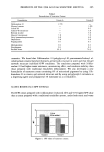
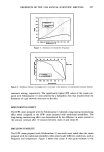
PREPRINTS OF THE 1996 ANNUAL SCIENTIFIC MEETING 273 A dermatologic approach to sensitive skin: Re-evaluating assessment methodologies ZOE DIANA DRAELOS, Department of Dermatology, Bowman Gray School of Medicine, Winston-Salem, North Carolina, and Dermatology Consulting Services, High Point, North Carolina. INTRODUCTION Sensitive skin can be defined in both subjective and objective terms. Subjective per- ceptions of sensitive skin are derived from patient observations regarding stinging, burning, pruritus, and tightness following various environmental stimuli. These symp- toms may be noticed immediately following product application or delayed by minutes, hours, or days. Furthermore, the symptoms may only result following cumulative product application or in combination with concomitant products. Approximately 50% of patients with sensitive skin demonstrate these uncomfortable symptoms without accompanying visible signs of inflammation (1). Cosmetic manufacturers note that 1% to 10% of facial cosmetic users experience these subjective perceptions (2). Objective perceptions of sensitive skin are based on physician observations. These ob- servations may include skin responses of erythema, stratum corneum desquamation, papules, pustules, wheals, vesicles, bullae, and erosions. In short, the entire repertoire of cutaneous reaction may be included in the spectrum of sensitive skin in the appro- priate patient. Sometimes the reaction pattern can be classified under a dermatologic diagnostic heading such as allergic contact dermatitis, irritant contact dermatitis, con- tact urticaria (immunologic and nonimmunologic), seborrheic dermatitis, perioral der- matitis, atopic dermatitis, eczematous dermatitis, psoriasis, rosacea, comedogenic acne, or papular/pustular acne. Other terms for skin sensitivity to cosmetics and toiletries include cosmetic intolerance syndrome and status cosmeticus (3). METHOD The unique aspects of sensitive skin can be approached through assessment of patients entering a general dermatology practice with cutaneous complaints related to the topical use of cosmetics, skin care products, and toiletries. An average practice year yielded 4920 patient visits of which 2.9% (144/4920) were adverse reactions to over-the-counter products: 19.4% (28/144) allergic contact dermatitis, 0.7% (1/144) contact urticaria, 24.3 % (35/144) acneiform eruptions, 12.5 % (18/144) incidence of comedogenesis, with the remaining 43% (62/144) characterized as irritant contact dermatitis. Of these 62 patients, 50 were selected for careful evaluation and quarterly assessment of their prod- uct use for one year. Twenty-four percent (12/50) underwent patch testing identifying a causative agent in eight patients. The remaining 42 patients were characterized as demonstrating sensitive skin. Twelve of these patients revealed no abnormalities on dermatologic evaluation, while the remaining 30 possessed skin characterized by erythema, desquamation, and pruritus.

274 JOURNAL OF THE SOCIETY OF COSMETIC CHEMISTS These patients with apparent and invisible skin disease formed the basis for a specialty panel useful in evaluating the effect of topical products on sensitive skin. The test product was applied in a concentration and form appropriate for open-patch testing to a 2-cm diameter area between the lateral eye and temple twice daily for two weeks. RESULTS This methodology can be used as a final test to determine the value of products designed for "sensitive skin" once obvious sources of allergic contact dermatitis, comedogenicity, acnegenicity, and contact urticaria have been eliminated. This patient selection meth- odology has more clinical relevance than the traditional facial sting test since it allows for assessment of a broader range of reaction patterns following product application, minimizes seasonal variability, and enhances reproducibility. DISCUSSION Sensitive-skin speciality panels developed in this manner can be used to predict the value of finished products in a human model with more relevance than patch testing, repeat insult patch testing (RIPT), cumulative irritancy testing, or the chamber scarification test. The concept of "sensitive skin" is useful since these individuals may possess one or more of the following anatomic cutaneous changes: heightened neurosensory input, enhanced immune responsiveness, and/or diminished barrier function. Heightened neurosensory input represents an augmented response to otherwise minor cutaneous stimulation. Sensitive-skin patients may have altered nerve endings, more neurotransmitter release, unique central information processing, chronic nerve ending trauma, or slower neurotransmitter removal to account for this reaction. Enhanced immune responsiveness is a second contributing component of sensitive skin, consisting of heightened antibody response to antigen presentation. This may be man- ifested in several different manners such as immunologic contact urticaria, allergic contact dermatitis, or atopic dermatitis. Such patients demonstrate increased positive reactions to patch and prick testing, with the height of immune responsiveness occur- ring around age 30 and progressively decreasing thereafter. Lastly, defective barrier function is an important component of sensitive skin. Lack of an intact barrier can result in heightened neurosensory input by inadequately protecting nerve endings and can also contribute to enhanced immune responsiveness through altered percutaneous absorption. This facilitates increased antigen access to the dermal vasculature and antigen-presenting cells. The permeability barrier resides in the stratum corneum of the epidermis and requires the presence of intercellular lipids, such as cholesterol, ceramides, and free fatty acids, acting as liquid crystals. It is alterations in this basic structure that cause patients with pre-existing clinical or subclinical derma- tologic disease (seborrheic dermatitis, perioral dermatitis, atopic dermatitis, eczematous dermatitis, or psoriasis) to present with sensitive skin. In summary, cosmetic and skin care product formulation considerations for sensitive skin include products with a paucity of ingredients, absence of sensitizers, minimum
Purchased for the exclusive use of nofirst nolast (unknown)
From: SCC Media Library & Resource Center (library.scconline.org)