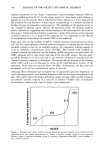
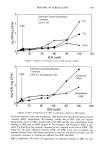
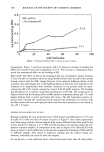
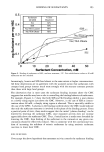
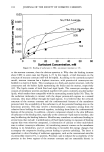
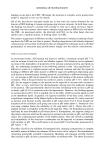
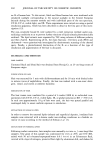
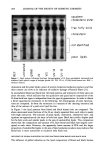
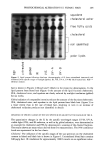
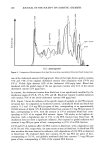
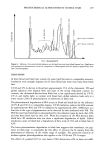
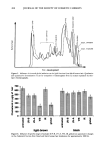
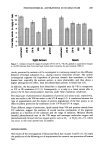
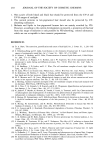
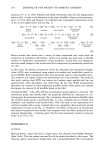
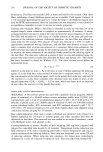
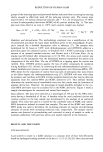
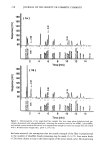
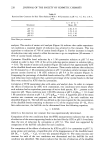
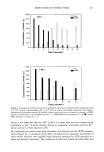
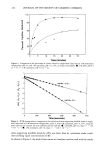
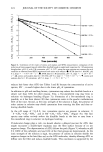
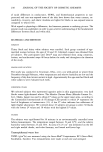
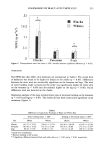
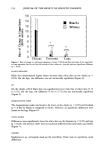
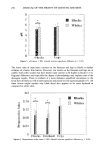
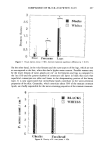
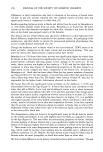
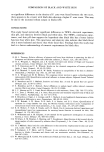
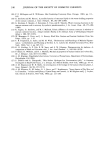
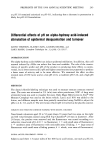
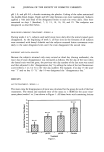
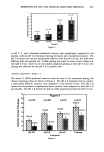
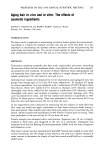
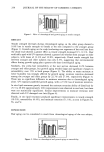
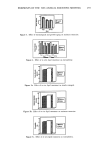
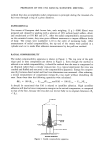
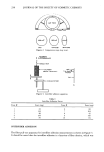
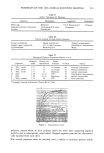
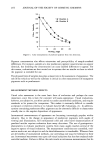
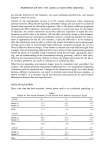
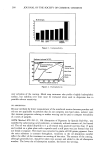
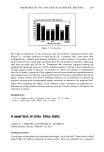
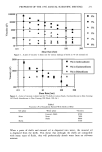
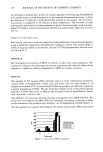
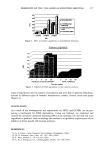
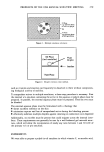
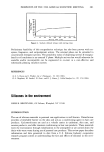
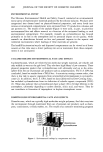
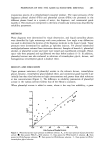
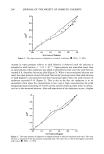
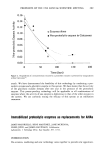
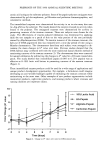
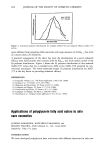
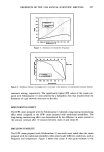
268 JOURNAL OF THE SOCIETY OF COSMETIC CHEMISTS # of Drops Unlrealed Metal [.aur. oyt. Melhicone Lecilhin Unreacted Silane Soap Ly$•ne Perfiuoro Compound Figure 1. Compressibility. Sediment volume % TiO2 ••U•reacte• .e•lu•ro• r / Compound / '•r" Untreated J /'.o,Vo,.v,on•"'" / '• Lauro. I Lysin. V • Lecithin I / / 10 20 30 40 50 60 Methanol content volume % Figure 2. Hydrophobicity. over solvation of the coating. Metal soap treatment also yields a highly hydrophobic surface, but stability over time must be evaluated when used in dispersion due to possible solvent sensitivity. OIL ABSORPTION Because methods for direct measurement of the interfacial tension between powders and oils are not applicable to powders that do not compress into hard cakes, indirect tests that measure properties relating to surface wetting can be used to compare wettability of a series of samples. ASTM Method •D 281-31, Oil Absorption of Pigments by Spatula Rub-Out, was modified by substituting octyl palmirate, a commonly utilized cosmetic oil, for linseed oil. The oil was added dropwise to 1 g of treated mica (particle size less than 15 txm) and worked on a glass plate with a spatula until a stiff paste was just formed that did not break or separate. The result was converted to grams oil/100 grams pigment. Since the mica substrate is constant throughout, variations in the oil absorption number reflect the effect of the treatment on wetting of the mica. The amount of the coating, although generally low, should be taken into account and added to the oil absorption number. The lower the oil absorption number, the better the wetting.

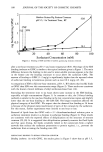
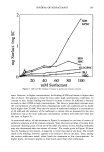
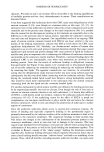
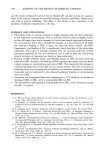
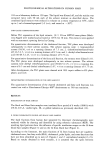
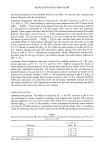
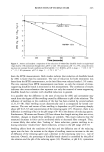
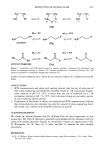
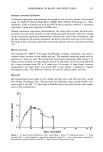
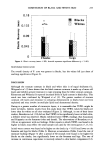
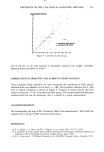
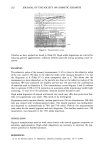
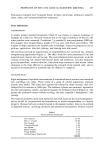
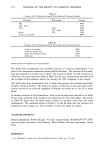
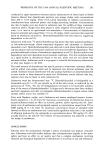
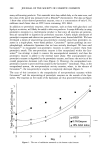
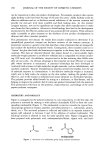
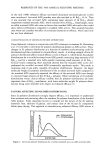
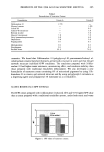
PREPRINTS OF THE 1996 ANNUAL SCIENTIFIC MEETING 269 mg Octyl Palmitate1100g pigment Untreated Lauroyl Lecflh*n Metal Melh•cone Sdane Unreacted Lysme Soap Pedluoro Compound Mica (15 pm) Figure 3. Oil absorption. The high oil absorption of the methicone and the perfluoro compound-treated mica (Figure 3), indicates resistance to wetting by oil, a property that, even more than hydrophobicity, imparts long-wearing attributes to color cosmetics. Conversely, micas coated with lecithin, metal soap, and silane have low oil absorption numbers, indicating that they are easily wet by the oil. Treatments that maximize pigment wetting are preferred for dispersed systems in which uniform pigment wetting or the incorporation of high pigment loads is required. In emulsions in which the pigment is incorporated into the oil phase, migration of the pigment into the water phase and destabilization of the emulsion can be avoided by using treated pigments having a high affinity for the oil phase. Cream powder non-solvent anhydrous systems can be prepared by optimizing pigment wetting with an appropriate surface treatment to maximize the pigment load. Other tests evaluating the effects of the different surface treatments on pigment per- formance in actual products during wear are used as a further means to determine the treatment of choice. REFERENCES (1) E. B. Faulkner and W. J. Zavadoski, Cosmet. Toiletr., 25, 69 (1994). (2) M. L. Schlossrnan, Cosmet. Toiletr., 105, 53 (1990). A novel form of silica: Silica shells CAROL A. S. BREVETT and HOWARD W. JACOBSON, DuPont Specialty Chemicals, Deepwater, NJ 08023. INTRODUCTION A new form of amorphous silica has been developed, the silica shell. These shells (called Zelec © SIL) are hollow ellipsoids of porous silica. They are prepared by a patented
Purchased for the exclusive use of nofirst nolast (unknown)
From: SCC Media Library & Resource Center (library.scconline.org)