506 JOURNAL OF COSMETIC SCIENCE have a hair growth effect and is used in medicated cosmetic materials as a low skin primary irritation or a cumulative irritation component. Thus, sanshuyu or the compo nents have been applied as external agents (especially cosmetic) in the past. It is known that free radicals contribute to various vital reactions and induce many kinds of diseases (especially, in skin tissue, they induce dryness, aging, pigmentation, and cancer). Skin forms melanin in order to protect its tissues from UV rays, and excessive exposure to UV rays causes freckles. Pigmentation is influenced by melanogenesis through such agents as endothelin ( 6), histamine (7), pyrimidine dimer (8), and iNOS (9). We evaluated the inhibitory effect of DVB-induced pigmentation in C. officinalis extract through its radical-scavenging activity. Melanogenesis begins with the production of dopaquinone, a highly reactive o-quinone, and proceeds in three distinctive steps. The initial step is the production of cysteinyldopa by the rapid addition of cysteine to dopaquinone, which continues as long as cysteine is present. The second step is the oxidation of cysteinyldopa to give pheomelanin. The last step is the production of eumelanin. Ito (10) explained that the oxidative cascade from tyrosine to eu- or pheo melanin production is an important pathway of melanogenesis. We think that if the oxidative cascade were blocked to apply C. officinalis extract, it is possible to decrease melanogenesis and to develop this extract as a whitening agent. In this study, we have tried to isolate bioactive constituents with DPPH radical scavenging activity from hot water extract or ethanol extract that are well known pharmacological activities in C. officinalis. We evaluated phytochemically and pharma cologically bioactive constituents in C. officinalis and proved the inhibitory effect of DVB-induced pigmentation in C. officinalis extract through its radical-scavenging ac tivity. MATERIALS AND METHODS GENERAL PROCEDURES UV spectra were obtained on a Shimazu UV -1600 spectrophotometer. The NMR spectra were recorded on a J eol GSX-500 spectrometer. The MS were obtained on a J eol JMS SX-102 or JMS AX-5 MS spectrometer. HPLC was performed on a Japan Analytical Industry LC-908 system, equipped with normal-phase column (GKK Intersil PRER SIL, 20 x 250 mm) or a reversed-phase column (YMC-Pack R&D ODS, 20 x 250 mm). EGCG and ascorbic acid were purchased from Wako Pure Chemical Industries, Ltd. PLANT MATERIAL Sanshuyu (Cornus officinalis Sieb. et Zucc) was purchased from Matsuura Yakugyo Co., Ltd. and Uchida Wakanyaku Co., Ltd. EXTRACTION AND ISOLATION The dried fruits of sanshuyu (2.0 kg, cultivated in China) were extracted with hot water (8.0 kg, 100°C, 3 hr, using soxhlet). The hot-water extract (145 g) was evaporated to dryness. The dried extract (50 g) was subjected to HP-20 column chromatography (eluted with H20, 5% MeOH aq, MeOH, and EtOAc/MeOH= 1:1), and five fractions

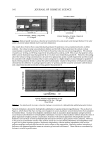
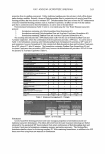
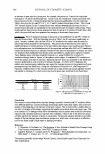
INHIBITORY EFFECT OF C. OFFICINALIS ON MELANOGENESIS 507 were collected. Fraction 5 (2.4 g) showing potent DPPH radical scavenging activity was subjected to ODS chromatography (eluted with H2O, 30% MeOH aq/1 % AcOH, CHC1 3 /MeOH=l:1, 80% i-PrOH aq/1% AcOH) followed by HPLC on ODS (30% MeOH/1 % AcOH elution) to yield loganin (233 mg). The other fraction (50.4 mg) from the ODS HPLC was further fractionated by silica gel HPLC. CHC1 3 /MeOH 5: 1 elution afforded caffeic acid (4.2 mg) and sweroside (18.4 mg) (Scheme 1). The dried fruits of sanshuyu (2.0 kg, cultivated in China) were extracted with 50% EtOH (8.0 kg, room temp., overnight). The extracts (C. officinalis extract, 714 g) were evaporated to dryness. The extract (50 g) was subjected to HP-20 column chromatog raphy (eluted with H2O and MeOH). Fraction 3 (2.0 g), eluted with 20% MeOH, was subjected to ODS column chromatography, and seven fractions (fractions 6-12) were collected. MeOH (30%) elution yielded to loganin (431 mg). Fraction 7 (500 mg) was subjected to ODS (CHC1 3 aq elution) and silica gel (CHCliMeOH stepwise elution, 600 ml) column chromatography and fraction 13. Fraction 13 (52.7 mg) was acetylated with acetic anhydride and pyridine. The acetate was purified by silica gel HPLC and elution with n-hexane/EtOAc gone acetate (19 mg). The acetate had a molecular for mula, C 17 H 26 O u, that was indicated by the MS ion at m/z 407 (M+Ht in FABMS. Comparison of MS and NMR data identified the acetate as morroniside acetate. Fraction 11 (52.1 mg), eluted with CH 3 CN aq elution and MeOH/H 2 O stepwise elution, was subjected to ODS column chromatography and purified by HPLC on ODS (20% CH 3 CN elution) to yield cornuside (7. 7 mg) (Scheme 2). Loganin (2) Cornus officinalis hot water extract HP-20 (MeOH/H2O, EtOAc/MeOH) Fr. 1 - 8 1. ODS (MeOH/H2O/AcOH, CH3CI/MeOH, i-PrOH/H2O/AcOH) 2. HPLC ODS (MeOH/H2O/AcOH) 1. SiO2 (CH3CI/MeOH) 2. HPLC SiO2 (CH3CI/ MeOH) Caffeic acid (1) Sweroside (3) Scheme 1
Purchased for the exclusive use of nofirst nolast (unknown)
From: SCC Media Library & Resource Center (library.scconline.org)