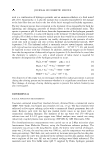
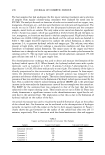
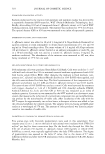
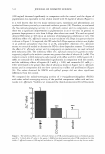
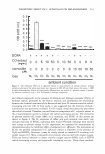
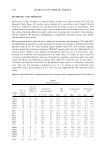
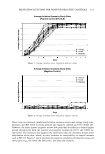
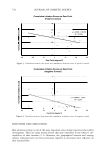
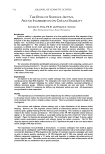
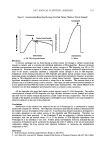
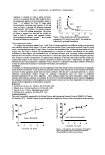
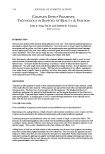
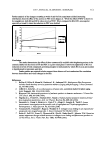
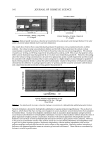
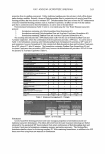
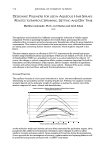
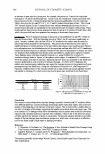
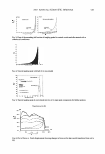
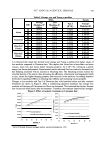
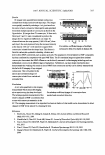
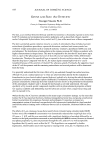
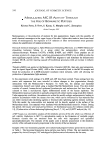
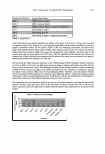
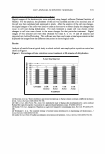
IRRITATION OUTCOME FOR POSITIVE/NEGATIVE CONTROLS 523 ! 8 C i0 1,5 ·1--- --···· - ·c:: GI Average Irritation Scores by Study Sites (Positive Control 01 % SLS) � 1+-- - - �-#'"F--,,.,-- - - - - - - - ---- - - - - 7 0 CJ (/) C 0 A: Arizona 0.5 1----.&::: ...... r-��- - - - - - - - --- - - -------------1 ■: Florida •: Manitoba 10 11 12 13 Days Figure 1. Average irritation scores induced by positive control. Average Irritation Scores by Study Sites (Negative Control) •: Arizona ■: Florida 14 2.5 +---------- - - - - ------------------1 •: Manitoba � 1.5 GI i 1+------------- --- - - -----------7 10 11 12 13 14 Days Figure 2. Average irritation scores induced by negative control. There were no statistical correlations between irritation scores and average study tem peratures and RH levels for both positive and negative controls (p0.05) (Table IV). However, the dryer climate (negative or low dew point) had a tendency to induce higher overall irritation for both the positive and negative controls (p=0.071 and 0.009, re spectively). The literature also supports the observation that dry climates promote more dehydration of the skin, which, in turn, increases its susceptibility to topical irritants such as SLS (3). Figures 3 and 4 illustrate the negative correlation of irritation scores and dew points (e.g., the lower the dew point, the dryer the climate).

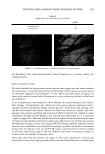
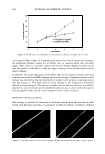
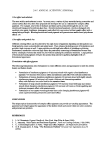
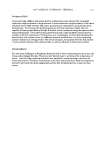
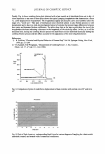
524 0 0 UJ C 0 -= Q) :i E :, 0 ♦ -30 -20 JOURNAL OF COSMETIC SCIENCE Cumulative Irritation Scores vs Dew Point (Positive Control) ♦ ♦ y = -0.065x + 30.406 R2 = 0.2004 ♦ ♦ ♦ ♦ ♦ -10 0 10 20 Dew Point (degree C} 30 Figure 3. Correlation between dew point and cumulative irritation scores of positive control. 0 0 UJ C 0 E :§ Q) � :i E :, 0 ♦ -30 -20 Cumulative Irritation Scores vs Dew Point (Negative Control) 3 ♦ ♦ -10 0 Dew Point (degree C) 10 y = -0.0463x + 1.0721 R 2 = 0.378 20 30 Figure 4. Correlation between dew point and cumulative irritation scores of negative control. DISCUSSION AND CONCLUSIONS Skin irritation testing is one of the most important steps during topical product safety development. There are many known factors that may contribute to the subject's sus ceptibility to skin irritants (2-4). However, the geographical location and varying climate conditions have not been previously explored to determine their influence on skin susceptibility.
Purchased for the exclusive use of nofirst nolast (unknown)
From: SCC Media Library & Resource Center (library.scconline.org)