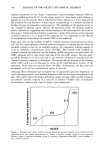
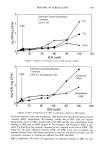
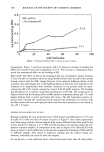
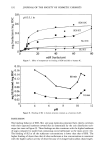
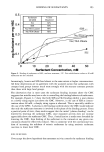
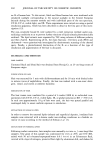
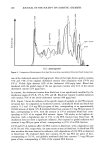
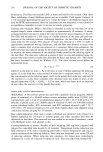
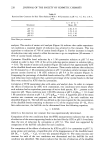
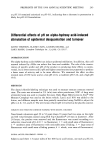
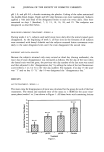
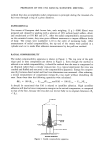
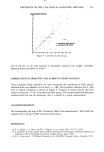
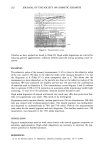
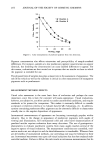
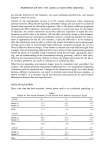
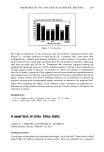
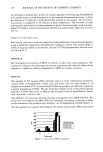
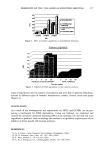
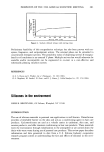
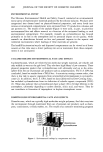
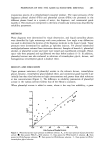
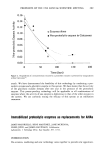
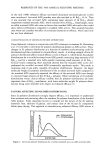
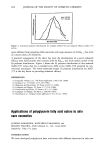
190 JOURNAL OF THE SOCIETY OF COSMETIC CHEMISTS 0.8 O.6 0.4 13.2 HSC, pH 5.5, 1 Hr treatment, RT 00 100 SDS • ,•_3 SLI 20 40 60 80 mM Surfactant Figure 5. Binding of SDS and SLI to human stratum corneum. investigated. Figure 7 (one-hour treatment, pH 5.5) shows an increase in binding for SDS by an increase from room temperature to 37øC. The increase in temperature has a much less pronounced effect on the binding of SLI. Ef •ct ofpH. The effect of pH on the binding of SLI was investigated. Initial attempts to alter the pH of treatment solutions using NaOH showed that the pH of the system during contact with the HSC changed because of the inherent buffering ability of the corneum. Such pH changes due to the buffering ability of skin have been reported in the literature (31). Experiments were therefore conducted in the present study by main- taining the pH of the system constant by using a 0.04 M buffer solution. The binding was determined at a constant initial SLI concentration of 20 mM. The results given in Figure 8 show that the binding of SLI to HSC exhibits a minimum around pH 7-9, with higher binding both at lower and higher pH values. The pH dependence results ob- tained under constant pH conditions clearly indicate that surfactants can interact with the skin under both low and high pH values and that their interaction is the lowest in the pH 7-9 region. BINDING OF SOAP MOLECULES TO SKIN Binding isotherms for soap molecules such as TEA-laurate and TEA-oleate at 37øC and at a pH of 9.5 after one hour of contact are given in Figure 9. Since these experiments were done using stratum corneum samples from sources different from those used for the results reported in Figures 2 to 8, SDS and SLI binding were repeated using the new stratum corneum samples. A comparison of the data in Figure 9 for SDS and SLI with those in Figure 5 shows differences in the absolute magnitude of binding of SDS and SLI to different samples. The trends in surfactant binding and the relative extent are, however, essentially the same for both the samples. As can be seen, at low surfactant levels, oleate binds much more than all other surfac-

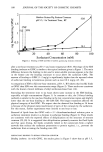
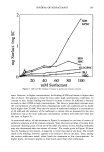
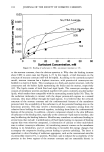
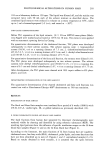
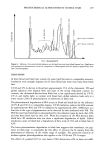
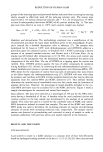
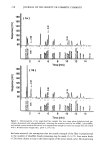
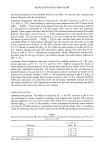
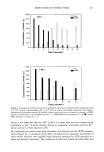
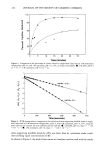
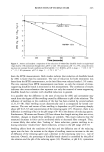
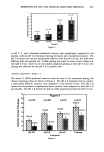
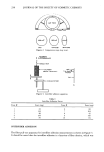
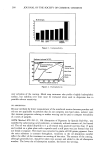
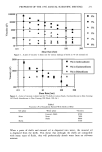
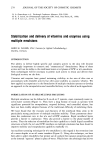
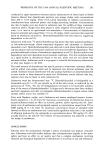
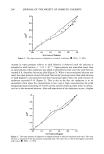
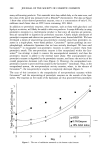
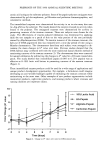
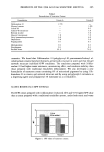
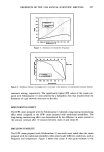
BINDING OF SURFACTANTS 191 21 SDS GPSC o SDS HSC LI GPSC 20 40 60 80 100 mM Surfactant Figure 6. SDS and SLI binding to human vs guinea pig stratum comeurn. tants. However, at higher concentrations, the binding of SDS and laurate is higher than that of oleate. SLI appears to bind the least under high-concentration conditions. In contrast to this, laurate binding was found to increase at about 20 mM and to become as much as that of SDS at high concentrations. The latter is particularly relevant since the concentrations of surfactants from cleansing bars under use conditions are no doubt much higher than 20 mM. Note that the extent of surfactant binding at a concentration of 40 mM and the tendency of the surfactant to irritate skin as measured by the zein dissolution test at the same surfactant concentration correlate well with each other (see the inset in Figure 9). As mentioned earlier, all the isotherms in Figure 9 correspond to one hour of contact of surfactant solutions with the stratum corneum. Since the practical times of interest from a personal cleansing point of view are of the order of a minute or less, binding isotherms were also determined after one minute of contact. The results given in Figure 10 show that the binding at one minute, as expected, is lower than that at one hour. The overall trend in the binding, however, appears to be similar to that at one hour. Thus, among the various surfactants tested, oleate binds the maximum at low concentrations. At higher levels, the laurate appears to bind much more than other surfactants.
Purchased for the exclusive use of nofirst nolast (unknown)
From: SCC Media Library & Resource Center (library.scconline.org)