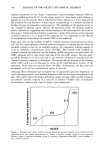
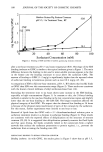
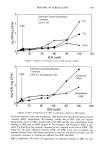
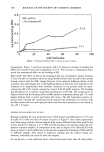
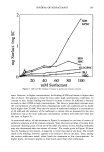
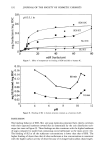
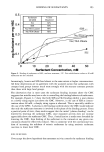
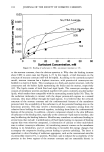
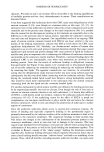
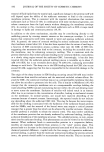
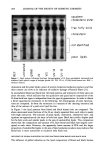
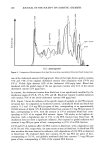
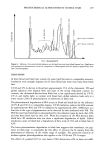
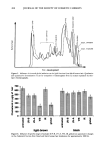
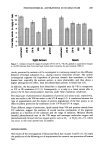
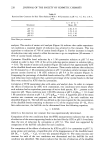
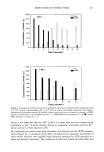
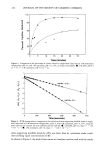
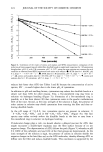
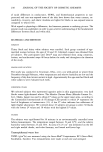
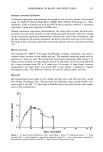
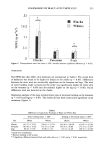
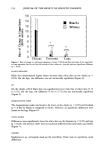
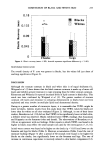
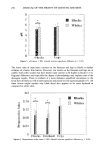
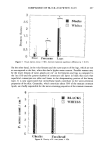
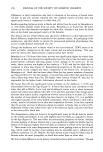
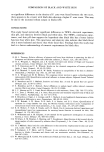
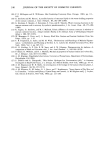
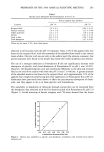
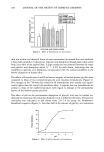
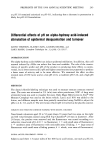
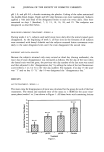
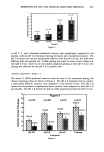
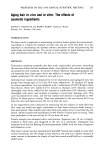
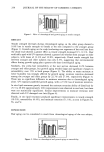
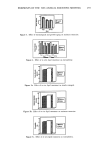
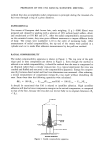
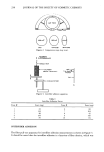
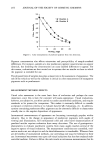
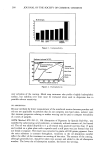
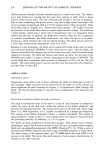
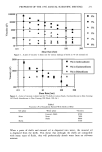
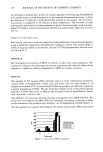
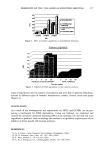
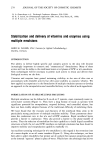
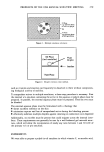
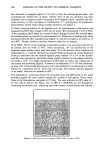
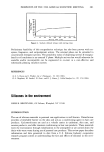
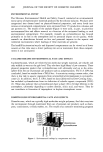
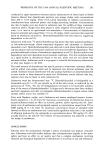
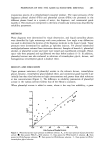
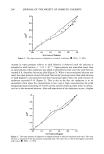
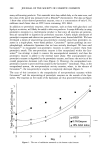
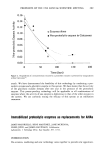
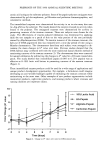
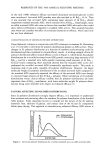
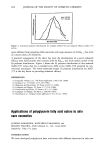
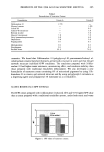
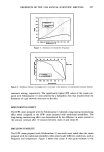
188 JOURNAL OF THE SOCIETY OF COSMETIC CHEMISTS Hairless Guinea Pig Stratum Corneum pH 5.5, 1 hr Treatment Time, RT CMC ß SDS 0 0 20 40 60 80 100 Surfactant Concentration (mM) Figure 2. Binding of SDS and SLI to hairless guinea pig stratum corneum. after a one-hour treatment at pH 5.5 and room temperature (RT). The shape of the SDS binding isotherm to GPSC is similar to the typical isotherm given in Figure 1. The main difference between the binding to skin and to water-soluble proteins appears to be that in the former case the binding continues to occur above the surfactant CMC. The amount of binding to GPSC (1-2 mg/g) is significantly higher than the reported values of surfactant binding to keratinous protein such as wool (0.4 mg/g ref. 20). A comparison of SDS to SLI (one-hour treatment, pH 5.5, RT) shows that less SLI binds to GPSC than SDS over this concentration range (Figure 2). These results are consistent with the known clinical mildness of alkyl isethionate-based bars (14). Extending the treatment time to six hours shows some increase in the SDS binding, especially at high concentrations (Figure 3). In contrast to this, the 24-hour binding isotherm is similar to the one-hour binding in the low concentration region and slightly lower than the one-hour binding at 100 mM SDS. The longer treatments affected the physical integrity of the GPSC. We suspect that the observed low binding at 24 hours is because of the physical extraction/removal of parts of the corneum by the surfactant. For this reason, further experiments were limited to one hour or less. Removal of lipids from the GPSC with a 2:1 chloroform/methanol solution prior to surfactant treatment results in a decrease in surfactant binding (Figure 4). These results are consistent with the reported effects of delipidization on the structure of stratum corneum (29,30). It is suggested that delipidization primarily removes the fluid lipids and that upon drying, the lipids covalently linked to the corneocytes form a tighter network that reduces the surfactant penetration to protein regions, i.e., prevents the surfactants from accessing the binding sites (29). SURFACTANT BINDING TO HUMAN STRATUM CORNEUM Binding isotherms. As with GPSC, the results given in Figure 5 show that at pH 5.5,

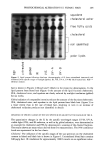
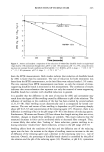
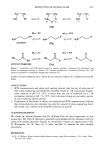
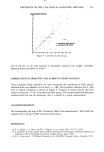
BINDING OF SURFACTANTS 189 CMC Hairless Guinea Pig Stratum Corneum pH 5.5, RT 6 hr 1 hr 24 hr 0 20 40 60 80 100 120 SDS (mM) Figure 3. Influence of equilibration time on SDS binding to GPSC. Hairless Guinea Pig Stratum Corneum CMC pH 5.5, 1 hr treatment, RT / Untreated C •pidized i ,• GPSC I 0 0 ' 20 40 60 80 100 120 SDS (mM) Figure 4. Effect of delipidizarion of GPSC by chloroform-methanol on SDS binding. one-hour treatment, and room temperature, SDS binds more than SLI to human stratum corneum (HSC). Importantly, SLI binding, unlike that of SDS, does not increase significantly above its CMC. Interestingly, both SDS and SLI show significantly lower binding to HSC than to GPSC (Figure 6). For example, SDS binding to HSC is only about 0.4 mg/mg of the corneum compared to the 2 mg/mg in the case of GPSC. The reason for this large difference between GPSC and HSC is not clear at present and requires further study. One likely hypothesis is that the corneocyte envelope and the consequent resistance to swelling are different for GPSC and HSC. Ef•ct of temperature. The effect of temperature on surfactant binding to HSC was also
Purchased for the exclusive use of nofirst nolast (unknown)
From: SCC Media Library & Resource Center (library.scconline.org)