639 Bidirectional Gut-Skin Axis
The neuroendocrine connection between the gut microbiome and the skin arises from
the ability of the gut microbiome to stimulate neural pathways through the production
of neurotransmitters.25 Research has demonstrated that neurotransmitters produced by
certain microorganisms affect the skin in various ways. These include gamma-aminobutyric
acid (GABA), dopamine, serotonin and acetylcholine, with effects such as itch restriction
(GABA), inhibition of hair growth (dopamine), modulation of melatonin (serotonin) and
the enhancement of barrier function (acetylcholine).52–55
Different dietary components have been linked to skin effects, with the gut microbiome
playing a hypothesized role in mediating these effects. These include gluten, which is known
to cause skin rashes in some cases of celiac disease.56 Although genetics are the greatest
determinant in celiac disease, research suggests that intestinal dysbiosis, particularly low
levels of Bifidobacterium and Ruminococcus, may contribute to the condition, suggesting that
the gut microbiome may in part modulate symptoms.57 Polyphenols, which are naturally
occurring compounds found in fruits, vegetables and cereals, have demonstrated anti-
inflammatory effects on both the gut and the skin.58,59 These effects are hypothesized to
result from interactions with the gut microbiome however, further research is required to
fully elucidate these mechanisms.58 Investigating dysbiosis of the gut microbiome in patients
with inflammatory skin conditions is therefore a valuable approach for understanding this
relationship.
THE GUT-SKIN AXIS AND ACNE
Acne vulgaris is a chronic inflammatory skin disease that affects an estimated 80–90% of
adolescents, particularly in developed countries.60 It affects the skin’s pilosebaceous units
and is characterized by excessive sebum production, abnormal follicular keratinization,
proliferation of Cutibacterium acnes and pro-inflammatory activity within the cutaneous
microbiome in the face, neck, chest or back regions.25 Despite the multifaceted nature of
acne, its association with gut microbiome dysbiosis has been a prominent field of research
and interest since 1961.61 Elements of the standard Western diet (SWD), particularly high
levels of hyperglycemic carbohydrates, dairy and saturated fats including trans-fats and
deficient ω-3 polyunsaturated fatty acids (PUFAs), have been associated with acne.62–64
These dietary elements elevate insulin and Insulin-like Growth Factor (IGF-1) levels,
disrupting sebaceous gland function and exacerbating acne, as well as increasing the
activity of the mechanistic Target of Rapamycin Complex 1 (mTORC1) pathway, which
enhances sebum production and inflammation.65 The SWD has also been shown to cause
dysbiosis in the gut microbiome.66
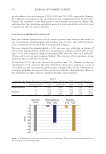
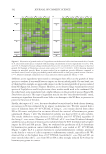
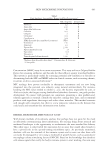
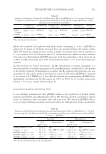
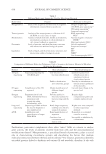
In conjunction, research has established that acne patients typically have gut microbiomes
with reduced diversity compared to non-affected individuals. Specifically, they exhibit
increased levels of Bacteroides and a lower abundance of Firmicutes, along with significant
reductions in the genera Proteus, Clostridium, Bifidobacterium, Butyricicoccus, Coprobacillus,
Lactobacillus and Allobaculum, as well as the families Lachnospiraceae and Ruminococcaceae
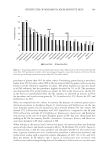
(Table III).67,68 Coprobacillus produces the SCFA butyrate, which plays an important role in
maintaining intestinal epithelial barrier integrity.69 Interestingly, older research suggests
that elevated levels of circulating lipopolysaccharide endotoxin from Escherichia coli (E. coli
LPS) are common in acne patients, indicating that intestinal permeability may be linked
to the pathogenesis of acne.61,70
The neuroendocrine connection between the gut microbiome and the skin arises from
the ability of the gut microbiome to stimulate neural pathways through the production
of neurotransmitters.25 Research has demonstrated that neurotransmitters produced by
certain microorganisms affect the skin in various ways. These include gamma-aminobutyric
acid (GABA), dopamine, serotonin and acetylcholine, with effects such as itch restriction
(GABA), inhibition of hair growth (dopamine), modulation of melatonin (serotonin) and
the enhancement of barrier function (acetylcholine).52–55
Different dietary components have been linked to skin effects, with the gut microbiome
playing a hypothesized role in mediating these effects. These include gluten, which is known
to cause skin rashes in some cases of celiac disease.56 Although genetics are the greatest
determinant in celiac disease, research suggests that intestinal dysbiosis, particularly low
levels of Bifidobacterium and Ruminococcus, may contribute to the condition, suggesting that
the gut microbiome may in part modulate symptoms.57 Polyphenols, which are naturally
occurring compounds found in fruits, vegetables and cereals, have demonstrated anti-
inflammatory effects on both the gut and the skin.58,59 These effects are hypothesized to
result from interactions with the gut microbiome however, further research is required to
fully elucidate these mechanisms.58 Investigating dysbiosis of the gut microbiome in patients
with inflammatory skin conditions is therefore a valuable approach for understanding this
relationship.
THE GUT-SKIN AXIS AND ACNE
Acne vulgaris is a chronic inflammatory skin disease that affects an estimated 80–90% of
adolescents, particularly in developed countries.60 It affects the skin’s pilosebaceous units
and is characterized by excessive sebum production, abnormal follicular keratinization,
proliferation of Cutibacterium acnes and pro-inflammatory activity within the cutaneous
microbiome in the face, neck, chest or back regions.25 Despite the multifaceted nature of
acne, its association with gut microbiome dysbiosis has been a prominent field of research
and interest since 1961.61 Elements of the standard Western diet (SWD), particularly high
levels of hyperglycemic carbohydrates, dairy and saturated fats including trans-fats and
deficient ω-3 polyunsaturated fatty acids (PUFAs), have been associated with acne.62–64
These dietary elements elevate insulin and Insulin-like Growth Factor (IGF-1) levels,
disrupting sebaceous gland function and exacerbating acne, as well as increasing the
activity of the mechanistic Target of Rapamycin Complex 1 (mTORC1) pathway, which
enhances sebum production and inflammation.65 The SWD has also been shown to cause
dysbiosis in the gut microbiome.66
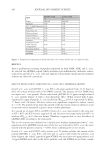
In conjunction, research has established that acne patients typically have gut microbiomes
with reduced diversity compared to non-affected individuals. Specifically, they exhibit
increased levels of Bacteroides and a lower abundance of Firmicutes, along with significant
reductions in the genera Proteus, Clostridium, Bifidobacterium, Butyricicoccus, Coprobacillus,
Lactobacillus and Allobaculum, as well as the families Lachnospiraceae and Ruminococcaceae
(Table III).67,68 Coprobacillus produces the SCFA butyrate, which plays an important role in
maintaining intestinal epithelial barrier integrity.69 Interestingly, older research suggests
that elevated levels of circulating lipopolysaccharide endotoxin from Escherichia coli (E. coli
LPS) are common in acne patients, indicating that intestinal permeability may be linked
to the pathogenesis of acne.61,70