557 Prebiotic Micellar Solution
when the ANOVA detects significant comparative differences among groups.16,17 In all
groups studied, it is considered statistically significant for those whose p 0.05.
RESULTS AND DISCUSSION
MAKEUP REMOVAL CAPACITY CLINICAL TEST
Micellar water consists of skincare products that use micellar technology to thoroughly
remove impurities from the skin, including makeup, sunscreen, dirt, and sebum. It generally
comprises water combined with surfactants, such as cetrimonium bromide or other mild
detergents.18 Within a micelle, the hydrophilic segments of the surfactant molecules face
the surrounding water, whereas the hydrophobic segments are enclosed in the micelle’s
core away from the water. When they are applied to the skin, micelles can encapsulate
hydrophobic substances (such as oils and fats), facilitating their removal without requiring
vigorous rubbing or excessive friction.19
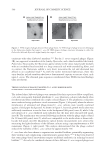
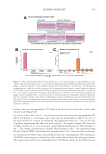
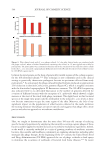
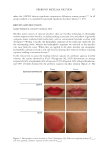
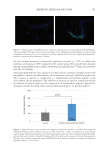
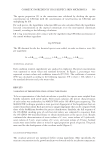
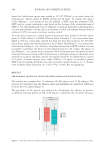
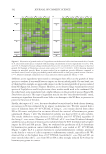
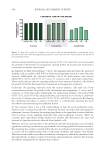
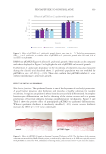
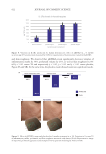
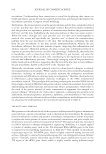
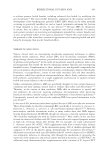
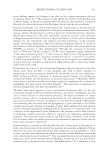
In the clinical test to assess the makeup removal capacity of a prebiotic aqueous micellar
solution, the results obtained by Visia® (Parsippany, NJ, USA) demonstrate an average
removal of 100% of eyeshadow, 86% of mascara, 87.5% of lipstick, 80% of liquid foundation,
and 99% of blush obtained by the prebiotic aqueous micellar solution (Figure 2). The
Tmakeup Tremoval
Eyeshadow and Mascara
Lipstick
Liquid Foundation
Blush
Figure 2. Photographic records obtained by Visia® (Parsippany, NJ, USA) after applying makeup (Tmakeup)
and after applying a prebiotic aqueous micellar solution (Tremoval).
when the ANOVA detects significant comparative differences among groups.16,17 In all
groups studied, it is considered statistically significant for those whose p 0.05.
RESULTS AND DISCUSSION
MAKEUP REMOVAL CAPACITY CLINICAL TEST
Micellar water consists of skincare products that use micellar technology to thoroughly
remove impurities from the skin, including makeup, sunscreen, dirt, and sebum. It generally
comprises water combined with surfactants, such as cetrimonium bromide or other mild
detergents.18 Within a micelle, the hydrophilic segments of the surfactant molecules face
the surrounding water, whereas the hydrophobic segments are enclosed in the micelle’s
core away from the water. When they are applied to the skin, micelles can encapsulate
hydrophobic substances (such as oils and fats), facilitating their removal without requiring
vigorous rubbing or excessive friction.19
In the clinical test to assess the makeup removal capacity of a prebiotic aqueous micellar
solution, the results obtained by Visia® (Parsippany, NJ, USA) demonstrate an average
removal of 100% of eyeshadow, 86% of mascara, 87.5% of lipstick, 80% of liquid foundation,
and 99% of blush obtained by the prebiotic aqueous micellar solution (Figure 2). The
Tmakeup Tremoval
Eyeshadow and Mascara
Lipstick
Liquid Foundation
Blush
Figure 2. Photographic records obtained by Visia® (Parsippany, NJ, USA) after applying makeup (Tmakeup)
and after applying a prebiotic aqueous micellar solution (Tremoval).