542 JOURNAL OF COSMETIC SCIENCE
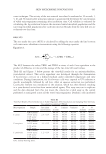
TRIPLE PHAGE COCKTAIL WAS NOT TOXIC AND REDUCED C. ACNES AND INTERLEUKIN-8 (IL-8)
IN A THREE-DIMENSIONAL MODEL OF BLEMISHED SKIN
Shortly after confirming the efficacy of the phage cocktail against C. acnes cultures and
biofilms, the three phages were applied to monolayers of normal human keratinocytes,
normal human dermal fibroblasts, and the HaCaT keratinocyte-derived cell line to
confirm their presumed non-cytotoxicity to skin cells as prokaryotic viruses should not
be able to infect eukaryotic cells. All of the concentrations applied to the cell monolayers
exhibited no adverse impact on cell viability as assessed by a resazurin viability assay
(data not shown). While this was an affirming result, a better evaluation of both the
efficacy and the non-toxicity of the phage cocktail would be on actual skin tissue. To cover
both objectives, a three-dimensional reconstituted human epidermal model of blemished
skin was employed, where the blemished skin tissue with elevated levels of C. acnes was
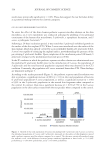
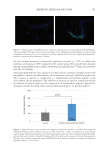
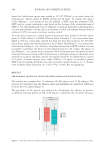
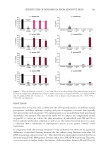
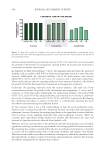
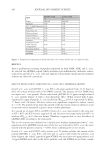
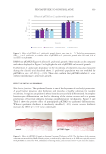
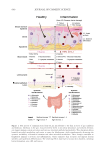
constructed. Topical application of a dilution series of the triple phage cocktail was non-
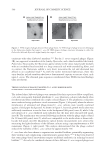
toxic to skin tissue at all the tested concentrations, which exhibited no morphological
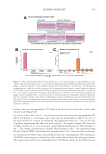
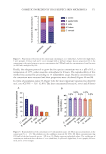
disruptions upon histological examination (Figure 5). Even at the highest dose of the
phage cocktail, histological images of the treated tissue showed no toxic effect and
structurally looked identical to untreated control samples (Figure 5A). Toxicity was only
detected when 0.1% sodium dodecyl sulfate (SDS) was applied as a positive control, where
significant structural disruption was observed.
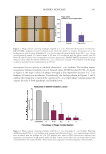
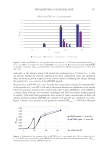
Furthermore, treatment with the phage cocktail showed a significant decrease in the
infused C. acnes population at all of the dilutions tested, extending the capacity of the
phage cocktail to diminish C. acnes from laboratory cultures to skin tissue (Figure 5B).
Finally, the blemished three-dimensional skin model was also examined for an impact
on the levels of inflammatory factors normally seen as elevated in blemished skin. One
such mediator, interleukin-8 (IL-8) was detected at significantly reduced levels relative to
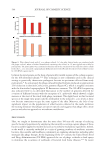
untreated tissue (Figure 5C). Notably, treatment with the phage cocktail diminished IL-8
to concentrations normally observed in healthy, unblemished skin tissue. Collectively, these
findings confirmed that the phage cocktail was efficacious at decreasing C. acnes levels in
a three-dimensional model of blemished human skin coupled with a notable reduction
in IL-8 concentration. Also, importantly, no tissue toxicity was observed with any of the
treatment concentrations.
PILOT IN VIVO STUDY DEMONSTRATED THE EFFICACY OF A TOPICAL FORMULATION INFUSED
WITH THE TRIPLE BACTERIOPHAGE COCKTAIL TO REDUCE C. ACNES ON THE SKIN WITHOUT
COLLATERAL MICROBIAL IMPACTS AND TO AMELIORATE BLEMISHED CONDITIONS
Following the successes with laboratory cultures and a three-dimensional skin model, a
small pilot clinical study was commissioned to determine the impact of twice daily topical
application of a finished formulation containing the triple phage combination targeted to
C. acnes for a duration of 7 days. Participants in the study were evaluated for reductions
in sebum, coproporphyrin III fluorescence, and C. acnes genomes through 16S rRNA
sequencing.
As C. acnes is known to stimulate production of sebum in the skin,54–57 the administration of
any countermeasure (including phage) to the bacteria could potentially have a downstream
impact on the amount of sebum in the region of topical application. Sebum levels were
assessed at baseline, day 3, day 5, and day 7 via the tape-lifting technique. Relative to
TRIPLE PHAGE COCKTAIL WAS NOT TOXIC AND REDUCED C. ACNES AND INTERLEUKIN-8 (IL-8)
IN A THREE-DIMENSIONAL MODEL OF BLEMISHED SKIN
Shortly after confirming the efficacy of the phage cocktail against C. acnes cultures and
biofilms, the three phages were applied to monolayers of normal human keratinocytes,
normal human dermal fibroblasts, and the HaCaT keratinocyte-derived cell line to
confirm their presumed non-cytotoxicity to skin cells as prokaryotic viruses should not
be able to infect eukaryotic cells. All of the concentrations applied to the cell monolayers
exhibited no adverse impact on cell viability as assessed by a resazurin viability assay
(data not shown). While this was an affirming result, a better evaluation of both the
efficacy and the non-toxicity of the phage cocktail would be on actual skin tissue. To cover
both objectives, a three-dimensional reconstituted human epidermal model of blemished
skin was employed, where the blemished skin tissue with elevated levels of C. acnes was
constructed. Topical application of a dilution series of the triple phage cocktail was non-
toxic to skin tissue at all the tested concentrations, which exhibited no morphological
disruptions upon histological examination (Figure 5). Even at the highest dose of the
phage cocktail, histological images of the treated tissue showed no toxic effect and
structurally looked identical to untreated control samples (Figure 5A). Toxicity was only
detected when 0.1% sodium dodecyl sulfate (SDS) was applied as a positive control, where
significant structural disruption was observed.
Furthermore, treatment with the phage cocktail showed a significant decrease in the
infused C. acnes population at all of the dilutions tested, extending the capacity of the
phage cocktail to diminish C. acnes from laboratory cultures to skin tissue (Figure 5B).
Finally, the blemished three-dimensional skin model was also examined for an impact
on the levels of inflammatory factors normally seen as elevated in blemished skin. One
such mediator, interleukin-8 (IL-8) was detected at significantly reduced levels relative to
untreated tissue (Figure 5C). Notably, treatment with the phage cocktail diminished IL-8
to concentrations normally observed in healthy, unblemished skin tissue. Collectively, these
findings confirmed that the phage cocktail was efficacious at decreasing C. acnes levels in
a three-dimensional model of blemished human skin coupled with a notable reduction
in IL-8 concentration. Also, importantly, no tissue toxicity was observed with any of the
treatment concentrations.
PILOT IN VIVO STUDY DEMONSTRATED THE EFFICACY OF A TOPICAL FORMULATION INFUSED
WITH THE TRIPLE BACTERIOPHAGE COCKTAIL TO REDUCE C. ACNES ON THE SKIN WITHOUT
COLLATERAL MICROBIAL IMPACTS AND TO AMELIORATE BLEMISHED CONDITIONS
Following the successes with laboratory cultures and a three-dimensional skin model, a
small pilot clinical study was commissioned to determine the impact of twice daily topical
application of a finished formulation containing the triple phage combination targeted to
C. acnes for a duration of 7 days. Participants in the study were evaluated for reductions
in sebum, coproporphyrin III fluorescence, and C. acnes genomes through 16S rRNA
sequencing.
As C. acnes is known to stimulate production of sebum in the skin,54–57 the administration of
any countermeasure (including phage) to the bacteria could potentially have a downstream
impact on the amount of sebum in the region of topical application. Sebum levels were
assessed at baseline, day 3, day 5, and day 7 via the tape-lifting technique. Relative to