606 JOURNAL OF COSMETIC SCIENCE
with the antimicrobial-free yeast-derived active at 0.01%, 0.1%, and 1.0% in vitro prevented
the growth of detrimental microorganisms assessed within 30 seconds and maintained a
commensal microbiota environment.
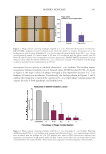
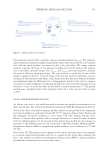
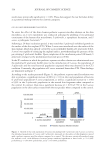
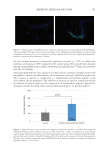
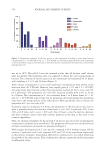
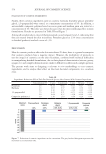
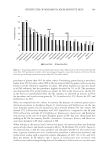
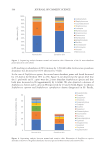
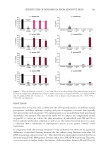
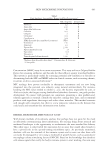
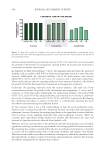
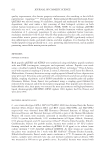
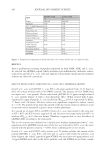
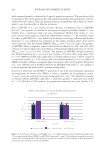
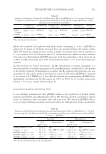
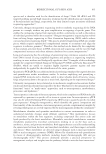
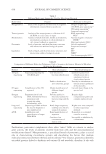
As displayed in Table III and Figure 3 above, the signaling molecules from the untreated
dendritic cells are unable to kill 100% of all the microorganisms assessed at any of the time
intervals. Additionally, the untreated dendritic cells at the thirty-minute time interval
killed 85.1%, 84.3%, and 62.3% of S. aureus, P. aeruginosa, and S. epidermidis, respectively.
These results indicate that the signaling molecules from untreated dendritic cells allowed
for growth of both the detrimental and commensal microorganisms evaluated.
Conversely, the signaling molecules from the treated dendritic cells with any of the
concentrations prevents all growth of the detrimental microorganisms, S. aureus and P.
aeruginosa, at every time point. Additionally, the media from dendritic cells treated with
0.01%, 0.1%, and 1.0% of the antimicrobial-free yeast-derived active left the S. epidermidis
alive at the 30-minute time interval by 56.1%, 55.5%, and 56.5%, respectively. By allowing
the commensal microbiota to remain on the skin, it is beneficially repairing the skin’s
microbiome and normalizing the epidermal barrier.
At this moment, there is not a full understanding of how the antimicrobial-free yeast-
derived active is interacting with the commensal bacteria and selectively destroying the
pathogenic bacteria. However, the working hypothesis is the ingredient activates dendritic
cells to release certain signaling molecules that target pathogenic bacteria. There are
currently more experiments being conducted to identify and characterize the types and
amounts of signaling molecules released from dendritic cells.
However, the basis and outcomes of the dermal microbiome-immunology assay are highly
significant, marking a revolutionary step forward in the emerging field of immunocosmetics.
By unraveling the complex crosstalk within the skin microbiome and immunity, it provides
a crucial tool for understanding how to effectively modulate and enhance skin health.
This innovation enables researchers and skincare developers to unlock the mysteries of the
skin microbiome, leading to targeted treatments and personalized cosmetics that leverage
microbiome manipulation for optimal skin wellness.
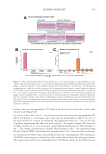
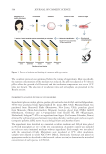
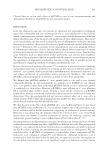
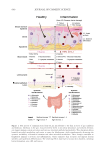
Figure 3. Time kill results for dendritic cells treated with an antimicrobial-free yeast-derived active
inoculated with the tested microorganism populations across time intervals. Values indicate the percent of
microorganisms killed.
with the antimicrobial-free yeast-derived active at 0.01%, 0.1%, and 1.0% in vitro prevented
the growth of detrimental microorganisms assessed within 30 seconds and maintained a
commensal microbiota environment.
As displayed in Table III and Figure 3 above, the signaling molecules from the untreated
dendritic cells are unable to kill 100% of all the microorganisms assessed at any of the time
intervals. Additionally, the untreated dendritic cells at the thirty-minute time interval
killed 85.1%, 84.3%, and 62.3% of S. aureus, P. aeruginosa, and S. epidermidis, respectively.
These results indicate that the signaling molecules from untreated dendritic cells allowed
for growth of both the detrimental and commensal microorganisms evaluated.
Conversely, the signaling molecules from the treated dendritic cells with any of the
concentrations prevents all growth of the detrimental microorganisms, S. aureus and P.
aeruginosa, at every time point. Additionally, the media from dendritic cells treated with
0.01%, 0.1%, and 1.0% of the antimicrobial-free yeast-derived active left the S. epidermidis
alive at the 30-minute time interval by 56.1%, 55.5%, and 56.5%, respectively. By allowing
the commensal microbiota to remain on the skin, it is beneficially repairing the skin’s
microbiome and normalizing the epidermal barrier.
At this moment, there is not a full understanding of how the antimicrobial-free yeast-
derived active is interacting with the commensal bacteria and selectively destroying the
pathogenic bacteria. However, the working hypothesis is the ingredient activates dendritic
cells to release certain signaling molecules that target pathogenic bacteria. There are
currently more experiments being conducted to identify and characterize the types and
amounts of signaling molecules released from dendritic cells.
However, the basis and outcomes of the dermal microbiome-immunology assay are highly
significant, marking a revolutionary step forward in the emerging field of immunocosmetics.
By unraveling the complex crosstalk within the skin microbiome and immunity, it provides
a crucial tool for understanding how to effectively modulate and enhance skin health.
This innovation enables researchers and skincare developers to unlock the mysteries of the
skin microbiome, leading to targeted treatments and personalized cosmetics that leverage
microbiome manipulation for optimal skin wellness.
Figure 3. Time kill results for dendritic cells treated with an antimicrobial-free yeast-derived active
inoculated with the tested microorganism populations across time intervals. Values indicate the percent of
microorganisms killed.