641 Bidirectional Gut-Skin Axis
Ultimately, gut microbiome dysbiosis of this magnitude leads to abnormally low
concentrations of the adenosine triphosphate (ATP)-binding cassette (ABC) transporter
subfamily, which is essential for bacterial nutrient uptake. This deficiency is thought to
contribute to the pathogenesis of acne however, a clear link between specific biomarkers
and acne severity has not yet been established.67 The current hypothesis linking the gut
microbiome to acne involves disrupted nutrient signaling, partly caused by imbalanced
nutrigenomics often induced by the SWD, causing exaggerated insulin/IGF-1 signaling.
This, in turn, suppresses metabolic transcription factor forkhead box O1 (FoxO1) and
subsequently triggers uncontrolled stimulation of sterol regulatory element-binding
protein 1c (SREBP-1c) in the skin. SREBP-1c, which is a transcription factor of sebaceous
lipogenesis, enhances total sebum production by increasing the synthesis of fatty acids and
triglycerides in the sebum, thereby promoting the growth of C. acnes, specifically strain
266 of the IA (I-1a/ST18) phylotype.65 This may occur in conjunction with altered gut
motility and changes in microbiome profiles, leading to the loss of normal microbial biofilm
(Bifidobacterium specifically), which may cause intestinal permeability and allow endotoxins
to gain systemic access.61 However, further research is necessary to clarify whether these
associations are causative in acne development.
THE GUT-SKIN AXIS AND ATOPIC DERMATITIS
Atopic dermatitis (AD) is a common inflammatory skin disease, affecting up to 10% of
adults and up to 20% of children globally.71 It is characterized by barrier dysfunction,
chronic inflammation and microbial dysbiosis of the skin.72 Specifically, AD is associated
with skin microbiomes enriched in Staphylococcus aureus, which may play a role in
damaging the epidermal barrier and causing depletion of the commensal Staphylococcus
epidermidis.73 Furthermore, the enterotoxins (superantigens) produced by S. aureus may
contribute to keratinocyte apoptosis, skin barrier defects and mast cell degranulation
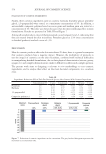
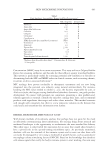
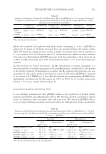
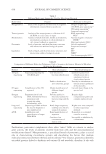
that characterize AD.74,75 Meanwhile, the gut microbiome composition in AD patients
often shows an enrichment of Faecalibacterium prausnitzii and elevated levels of Clostridium,
Enterobacteriaceae, Staphylococcus and E. coli, which are known contributors to inflammatory
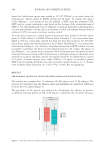
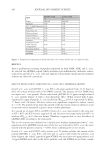
processes (Table III).25,76–78
Conversely, AD patients’ gut microbiomes typically exhibit reduced levels of beneficial
bacteria such as Akkermansia, Bacteroidetes and Bifidobacterium.79 Research has found that
levels of Bifidobacterium specifically inversely correlate with disease severity.80 These findings
have led to research on the use of Lactobacillus and Bifidobacterium probiotics as potential
therapeutic interventions, due to their ability to modulate immune responses.81,82
Changes in microbial composition within the gut microbiome can affect the production
and signaling of bacterial metabolites, which in turn can influence the immune system and
cause disease development, both systemically and locally.36 A study investigating the use
of bacteriophage (phage) treatment for AD found temporal correlations between alterations
in the gut virome and changes in microbial metabolites, including a downregulation
of the catabolism of aromatic amino acids and symptom remission.83 Phages, which are
viruses that specifically infect bacteria, represent a significant component of the human
microbiome.83 An additional study concluded that oral supplementation with B. animalis
subspecies lactis (LKM512) increased the levels of the gut metabolite kynurenic acid, which
reduced scratching behavior in a murine model of AD.84 However, further research is
Ultimately, gut microbiome dysbiosis of this magnitude leads to abnormally low
concentrations of the adenosine triphosphate (ATP)-binding cassette (ABC) transporter
subfamily, which is essential for bacterial nutrient uptake. This deficiency is thought to
contribute to the pathogenesis of acne however, a clear link between specific biomarkers
and acne severity has not yet been established.67 The current hypothesis linking the gut
microbiome to acne involves disrupted nutrient signaling, partly caused by imbalanced
nutrigenomics often induced by the SWD, causing exaggerated insulin/IGF-1 signaling.
This, in turn, suppresses metabolic transcription factor forkhead box O1 (FoxO1) and
subsequently triggers uncontrolled stimulation of sterol regulatory element-binding
protein 1c (SREBP-1c) in the skin. SREBP-1c, which is a transcription factor of sebaceous
lipogenesis, enhances total sebum production by increasing the synthesis of fatty acids and
triglycerides in the sebum, thereby promoting the growth of C. acnes, specifically strain
266 of the IA (I-1a/ST18) phylotype.65 This may occur in conjunction with altered gut
motility and changes in microbiome profiles, leading to the loss of normal microbial biofilm
(Bifidobacterium specifically), which may cause intestinal permeability and allow endotoxins
to gain systemic access.61 However, further research is necessary to clarify whether these
associations are causative in acne development.
THE GUT-SKIN AXIS AND ATOPIC DERMATITIS
Atopic dermatitis (AD) is a common inflammatory skin disease, affecting up to 10% of
adults and up to 20% of children globally.71 It is characterized by barrier dysfunction,
chronic inflammation and microbial dysbiosis of the skin.72 Specifically, AD is associated
with skin microbiomes enriched in Staphylococcus aureus, which may play a role in
damaging the epidermal barrier and causing depletion of the commensal Staphylococcus
epidermidis.73 Furthermore, the enterotoxins (superantigens) produced by S. aureus may
contribute to keratinocyte apoptosis, skin barrier defects and mast cell degranulation
that characterize AD.74,75 Meanwhile, the gut microbiome composition in AD patients
often shows an enrichment of Faecalibacterium prausnitzii and elevated levels of Clostridium,
Enterobacteriaceae, Staphylococcus and E. coli, which are known contributors to inflammatory
processes (Table III).25,76–78
Conversely, AD patients’ gut microbiomes typically exhibit reduced levels of beneficial
bacteria such as Akkermansia, Bacteroidetes and Bifidobacterium.79 Research has found that
levels of Bifidobacterium specifically inversely correlate with disease severity.80 These findings
have led to research on the use of Lactobacillus and Bifidobacterium probiotics as potential
therapeutic interventions, due to their ability to modulate immune responses.81,82
Changes in microbial composition within the gut microbiome can affect the production
and signaling of bacterial metabolites, which in turn can influence the immune system and
cause disease development, both systemically and locally.36 A study investigating the use
of bacteriophage (phage) treatment for AD found temporal correlations between alterations
in the gut virome and changes in microbial metabolites, including a downregulation
of the catabolism of aromatic amino acids and symptom remission.83 Phages, which are
viruses that specifically infect bacteria, represent a significant component of the human
microbiome.83 An additional study concluded that oral supplementation with B. animalis
subspecies lactis (LKM512) increased the levels of the gut metabolite kynurenic acid, which
reduced scratching behavior in a murine model of AD.84 However, further research is