534 JOURNAL OF COSMETIC SCIENCE
skin microbial community. In their novel approach, the authors developed a co-culture
system, where five bacterial species normally associated with the microbiota of the face were
collectively grown up from natural isolates, including: Cutibacterium acnes, Corynebacterium
xerosis, Micrococcus luteus, Streptococcus mitis, and Staphylococcus epidermidis. This was a two-
part endeavor: first, to establish a procedure allowing for the co-culture of all five bacteria
without interference, and second, to investigate the utility of the approach to evaluating
the relative impact of certain cosmetic care ingredients on the growth patterns of the five
bacterial species commonly detected on the face. The co-culture model was effective at
distinguishing between materials with established antagonistic and neutral effects on skin
bacteria. This represents a new tool in the ongoing process of developing cosmetic care
ingredients that are not harmful to the beneficial microbes on the skin
Gault et al. delve into a new technological approach to studying the skin microbiome:
a droplet-based microfluidic methodology. In their report, they have capitalized on the
advantages of this technology platform to investigate sensitive skin syndrome, a condition
that has been often overlooked in the study of the microbial residents of the skin. In a
comprehensive research study, the authors discovered unique changes in the populations
of several species and strains of skin bacteria between healthy and sensitive skin. The
technology was also utilized to determine the relative impact of certain skin care ingredients
on the balance of the skin microbiota, further establishing the potential applications of
their approach.
Drohan et al. tackle the important issue of how best to communicate the many advances
being made in our understanding of the skin microbiome to the average consumer.
They argue that much of the cutting-edge knowledge that has been amassed is largely
inaccessible to the public due to brands opting to push non-substantive claims and that
there needs to be a greater consensus around the language used to convey the importance
of the scientific findings from microbiome investigations. The authors adeptly touch upon
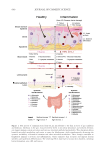
many of the topics being researched in the field. Special emphasis is given to the skin-gut
axis and its bidirectional nature as well as the participation of the host immune system in
the form of dendritic cells.
Criton et al. present interesting results of an investigation into the capacity of a pentapeptide
to counter the effects of C. acnes on blemished skin. This research study provides an
interesting new approach to ameliorating blemished skin by targeting the bacterial species
implicated in its development. Their approach to utilizing a unique pentapeptide to limit
the negative impacts of C. acnes was most notably seen with its disruption and diminishment
of C. acnes biofilms, which are often observed with the most acneic strains of the bacteria.
Further testing produced a remarkable series of beneficial effects including a reduction
in inflammation, induction of hyaluronic acid synthesis, and increased production of key
fibers in the assembly of the extracellular matrix. These findings represent another step
forward in the development of countermeasures to acne vulgaris.
Garlet provides an eloquent update on the continually growing connections between the
skin microbiome and the aging process. The author describes the history of investigational
studies into the various microbes that inhabit the human body’s largest organ: from the
early days of culture-dependent methods that limited the scope of our understanding given
that most microbes cannot be cultivated in a laboratory setting to contemporary culture-
independent research utilizing the ever-advancing genomic sequencing technologies
that no longer confine our understanding of the skin microbiota to a small subset of
skin microbial community. In their novel approach, the authors developed a co-culture
system, where five bacterial species normally associated with the microbiota of the face were
collectively grown up from natural isolates, including: Cutibacterium acnes, Corynebacterium
xerosis, Micrococcus luteus, Streptococcus mitis, and Staphylococcus epidermidis. This was a two-
part endeavor: first, to establish a procedure allowing for the co-culture of all five bacteria
without interference, and second, to investigate the utility of the approach to evaluating
the relative impact of certain cosmetic care ingredients on the growth patterns of the five
bacterial species commonly detected on the face. The co-culture model was effective at
distinguishing between materials with established antagonistic and neutral effects on skin
bacteria. This represents a new tool in the ongoing process of developing cosmetic care
ingredients that are not harmful to the beneficial microbes on the skin
Gault et al. delve into a new technological approach to studying the skin microbiome:
a droplet-based microfluidic methodology. In their report, they have capitalized on the
advantages of this technology platform to investigate sensitive skin syndrome, a condition
that has been often overlooked in the study of the microbial residents of the skin. In a
comprehensive research study, the authors discovered unique changes in the populations
of several species and strains of skin bacteria between healthy and sensitive skin. The
technology was also utilized to determine the relative impact of certain skin care ingredients
on the balance of the skin microbiota, further establishing the potential applications of
their approach.
Drohan et al. tackle the important issue of how best to communicate the many advances
being made in our understanding of the skin microbiome to the average consumer.
They argue that much of the cutting-edge knowledge that has been amassed is largely
inaccessible to the public due to brands opting to push non-substantive claims and that
there needs to be a greater consensus around the language used to convey the importance
of the scientific findings from microbiome investigations. The authors adeptly touch upon
many of the topics being researched in the field. Special emphasis is given to the skin-gut
axis and its bidirectional nature as well as the participation of the host immune system in
the form of dendritic cells.
Criton et al. present interesting results of an investigation into the capacity of a pentapeptide
to counter the effects of C. acnes on blemished skin. This research study provides an
interesting new approach to ameliorating blemished skin by targeting the bacterial species
implicated in its development. Their approach to utilizing a unique pentapeptide to limit
the negative impacts of C. acnes was most notably seen with its disruption and diminishment
of C. acnes biofilms, which are often observed with the most acneic strains of the bacteria.
Further testing produced a remarkable series of beneficial effects including a reduction
in inflammation, induction of hyaluronic acid synthesis, and increased production of key
fibers in the assembly of the extracellular matrix. These findings represent another step
forward in the development of countermeasures to acne vulgaris.
Garlet provides an eloquent update on the continually growing connections between the
skin microbiome and the aging process. The author describes the history of investigational
studies into the various microbes that inhabit the human body’s largest organ: from the
early days of culture-dependent methods that limited the scope of our understanding given
that most microbes cannot be cultivated in a laboratory setting to contemporary culture-
independent research utilizing the ever-advancing genomic sequencing technologies
that no longer confine our understanding of the skin microbiota to a small subset of