567 COSMETIC INGREDIENTS THAT RESPECT SKIN MICROBIOTA
32°C, defined atmosphere, and low nutrient concentration) to obtain a consortium with
relevant bacteria proportions, near that of the skin microbiota: 30–40% of C acnes, 15–20%
of S epidermidis, 15–25% of S mitis, 1–10% of xerosis and 2–10% of M luteus.16,9
MATERIALS AND METHODS
COLLECTION AND IDENTIFICATION OF STRAINS AND BACTERIAL CULTURE
All growth media were purchased from Oxoïd, Thermo Fischer Scientific, Waltham,
Massachusetts, USA, except Brucella broth (Condalab, Madrid, Spain).
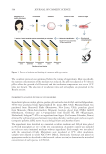
Wild-type isolates from five species of bacteria were collected from the cheek of 10 healthy
volunteers by rubbing sterile swabs (Thermo Fischer Scientific) for five minutes on the skin.
Swabs were placed in Tryptone Soy Broth (TSB) and incubated aerobically at 37°C for the
enrichment of aerobic strains. Another swab was placed in Brucella broth and incubated
anaerobically at 37°C for anaerobic strains.
After enrichment, selective media were used to grow the strains of interest: Hoyle agar was
used to select potassium tellurite-reducing bacteria like Corynebacteria, Chapman agar and
Baird Parker for halophilic bacteria such as Micrococci and Staphyloccoci, and Columbia agar
with 5% sheep blood for the recovery of fastidious microorganisms like Cutibacteria and
Streptococci.
BACTERIAL IDENTIFICATION AND BANKING
Isolates with the appropriate phenotypic characteristics on selective media were identified
using microscopic observations (Gram staining) and biochemical tests (catalase, oxidase,
RapID CB PLUS identification system, RapID Staph PLUS identification system, Remel
Thermo Scientific, Lenexa, Kansas, USA). Finally, matrix-assisted laser desorption
ionization–time of flight (MALDI-TOF) mass spectrometry (VITEK MS method,
bioMérieux, Marcy-l’Étoile, France) and/or 16S rRNA gene sequencing (MicroSEQ ID
technology combined with 16S rDNA 500 microbial library v2019, Remel Thermo
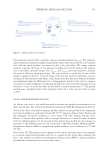
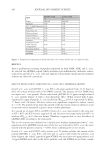
Scientific) were used to confirm colonies’ identification. Seven isolated colonies of each
species were mixed in equal proportions to obtain pools of species and stored at –80°C
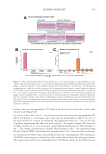
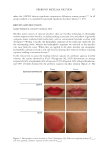
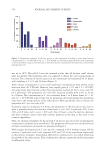
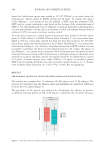
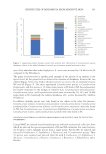
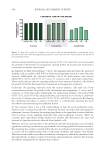
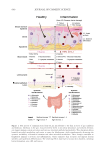
until further use (Figure 1).
CONSORTIUM PREPARATION
Each species was initially grown individually in the appropriate liquid medium (TSB for
S epidermidis, S mitis and M luteus Brain Heart Infusion broth (BHI) for C xerosis, and
Brucella broth for C acnes), and in atmospheres corresponding to the respiratory type of
the species. Then, the five species were calibrated (microscopic counting with a Malassez
cell followed by colony counting on agar plates) and mixed together to the desired initial
concentrations, in the coculture medium (pancreatic digest of casein, 1.7 g/L papaic digest
of soybean meal, 0.3 g/L glucose monohydrate, 0.25 g/L NaCl, 0.5 g/L, and K
2 HPO
4 ,
0.25 g/L (Oxoïd, Thermo Fisher Scientific), and 1.5% Tween 80 (Sigma-Aldrich, St. Louis,
Missouri, USA, pH 6.5).
32°C, defined atmosphere, and low nutrient concentration) to obtain a consortium with
relevant bacteria proportions, near that of the skin microbiota: 30–40% of C acnes, 15–20%
of S epidermidis, 15–25% of S mitis, 1–10% of xerosis and 2–10% of M luteus.16,9
MATERIALS AND METHODS
COLLECTION AND IDENTIFICATION OF STRAINS AND BACTERIAL CULTURE
All growth media were purchased from Oxoïd, Thermo Fischer Scientific, Waltham,
Massachusetts, USA, except Brucella broth (Condalab, Madrid, Spain).
Wild-type isolates from five species of bacteria were collected from the cheek of 10 healthy
volunteers by rubbing sterile swabs (Thermo Fischer Scientific) for five minutes on the skin.
Swabs were placed in Tryptone Soy Broth (TSB) and incubated aerobically at 37°C for the
enrichment of aerobic strains. Another swab was placed in Brucella broth and incubated
anaerobically at 37°C for anaerobic strains.
After enrichment, selective media were used to grow the strains of interest: Hoyle agar was
used to select potassium tellurite-reducing bacteria like Corynebacteria, Chapman agar and
Baird Parker for halophilic bacteria such as Micrococci and Staphyloccoci, and Columbia agar
with 5% sheep blood for the recovery of fastidious microorganisms like Cutibacteria and
Streptococci.
BACTERIAL IDENTIFICATION AND BANKING
Isolates with the appropriate phenotypic characteristics on selective media were identified
using microscopic observations (Gram staining) and biochemical tests (catalase, oxidase,
RapID CB PLUS identification system, RapID Staph PLUS identification system, Remel
Thermo Scientific, Lenexa, Kansas, USA). Finally, matrix-assisted laser desorption
ionization–time of flight (MALDI-TOF) mass spectrometry (VITEK MS method,
bioMérieux, Marcy-l’Étoile, France) and/or 16S rRNA gene sequencing (MicroSEQ ID
technology combined with 16S rDNA 500 microbial library v2019, Remel Thermo
Scientific) were used to confirm colonies’ identification. Seven isolated colonies of each
species were mixed in equal proportions to obtain pools of species and stored at –80°C
until further use (Figure 1).
CONSORTIUM PREPARATION
Each species was initially grown individually in the appropriate liquid medium (TSB for
S epidermidis, S mitis and M luteus Brain Heart Infusion broth (BHI) for C xerosis, and
Brucella broth for C acnes), and in atmospheres corresponding to the respiratory type of
the species. Then, the five species were calibrated (microscopic counting with a Malassez
cell followed by colony counting on agar plates) and mixed together to the desired initial
concentrations, in the coculture medium (pancreatic digest of casein, 1.7 g/L papaic digest
of soybean meal, 0.3 g/L glucose monohydrate, 0.25 g/L NaCl, 0.5 g/L, and K
2 HPO
4 ,
0.25 g/L (Oxoïd, Thermo Fisher Scientific), and 1.5% Tween 80 (Sigma-Aldrich, St. Louis,
Missouri, USA, pH 6.5).