555 Prebiotic Micellar Solution
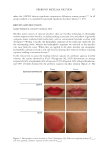
after makeup removal with a prebiotic aqueous micellar solution (T
removal ).The prebiotic
aqueous micellar solution was applied topically five times with cotton wool on each evaluated
area, and the excess product was removed with a dry, soft fabric. The image analysis
software compares the body of the makeup-excluded area and the body of the adjacent
skin in the three captured images (T0, T
makeup ,and T
removal )and quantitatively calculates
the removal efficiency using percentages. The same analysis is carried out for any colored
products applied to the face. A frontal image of the face was used for eyeshadow, mascara,
and lipstick. For foundation and blush, a side image of the face was used. Statistical analysis
was performed using the Wilcoxon test, a nonparametric statistical test used to compare
two paired or related samples by evaluating the differences between their medians. It is an
alternative to the t-test for data that do not follow a normal distribution.16,17 The groups
studied were considered statistically significant when the p value was less than or equal
to 0.05.
EX VIVO SKIN MICROBIOME EVALUATION
An efficacy test in an ex vivo model was used to evaluate the product’s performance on the
skin’s microbiome. The study was performed at Laboratoire BIO-EC (Longjumeau, France).
To assess the effect of a prebiotic aqueous micellar solution on the growth of the commensal
bacterium Staphylococcus epidermidis (strain CIP 157777, Institute Pasteur, Paris, France) and
the pathogenic bacterium Staphylococcus aureus (strain CIP 4.83, Institute Pasteur, Paris,
France), 12 human skin explants with an average diameter of 12 mm (±1 mm) obtained
from the abdominoplasty of a 44-year-old woman patient were divided into four groups (as
described in the following sections) and maintained in BIO-EC’s Explant Medium (BEM®,
Longjumeau, France), which is a proprietary explant medium, in an incubator at 37°C and
5% CO
2 .
Basal Group (B). This group receives changes in the culture medium, but it is not exposed
to treatment with microorganisms and acts as a control for the sterile skin condition. On
Day 7, the explants are rinsed with phosphate-buffered saline (PBS) to remove potential
nonadherent contaminant bacteria from the surface.
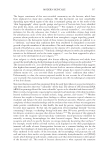
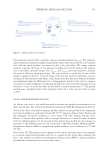
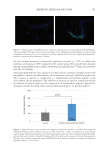
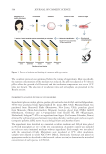
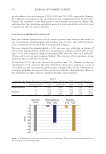
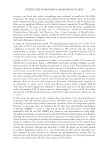
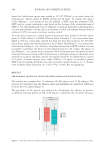
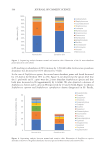
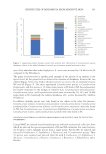
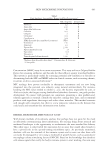
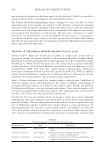
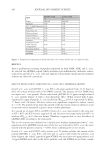
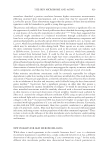
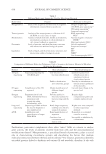
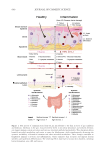
Figure 1. Makeup application guidelines.
after makeup removal with a prebiotic aqueous micellar solution (T
removal ).The prebiotic
aqueous micellar solution was applied topically five times with cotton wool on each evaluated
area, and the excess product was removed with a dry, soft fabric. The image analysis
software compares the body of the makeup-excluded area and the body of the adjacent
skin in the three captured images (T0, T
makeup ,and T
removal )and quantitatively calculates
the removal efficiency using percentages. The same analysis is carried out for any colored
products applied to the face. A frontal image of the face was used for eyeshadow, mascara,
and lipstick. For foundation and blush, a side image of the face was used. Statistical analysis
was performed using the Wilcoxon test, a nonparametric statistical test used to compare
two paired or related samples by evaluating the differences between their medians. It is an
alternative to the t-test for data that do not follow a normal distribution.16,17 The groups
studied were considered statistically significant when the p value was less than or equal
to 0.05.
EX VIVO SKIN MICROBIOME EVALUATION
An efficacy test in an ex vivo model was used to evaluate the product’s performance on the
skin’s microbiome. The study was performed at Laboratoire BIO-EC (Longjumeau, France).
To assess the effect of a prebiotic aqueous micellar solution on the growth of the commensal
bacterium Staphylococcus epidermidis (strain CIP 157777, Institute Pasteur, Paris, France) and
the pathogenic bacterium Staphylococcus aureus (strain CIP 4.83, Institute Pasteur, Paris,
France), 12 human skin explants with an average diameter of 12 mm (±1 mm) obtained
from the abdominoplasty of a 44-year-old woman patient were divided into four groups (as
described in the following sections) and maintained in BIO-EC’s Explant Medium (BEM®,
Longjumeau, France), which is a proprietary explant medium, in an incubator at 37°C and
5% CO
2 .
Basal Group (B). This group receives changes in the culture medium, but it is not exposed
to treatment with microorganisms and acts as a control for the sterile skin condition. On
Day 7, the explants are rinsed with phosphate-buffered saline (PBS) to remove potential
nonadherent contaminant bacteria from the surface.
Figure 1. Makeup application guidelines.