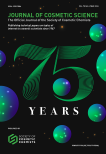
Journal of Cosmetic Science
The Official Journal of the Society of Cosmetic Chemists
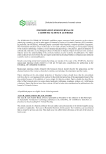
Volume 75 No. 6 |November/December 2024
ORIGINAL ARTICLES
Foreword to the Skin Microbiome Special Issue of the Journal of Cosmetic Science Celebrating its
75th Anniversary
Dr. Paul Lawrence |pp. 532–535
Reviving a More Than Century-Old Technology for Modern Skincare
Paul Lawrence, Brianna Scacchi, Kimberly Dew and Joseph Ceccoli |pp. 536–552
Effects of Prebiotic Micellar Solution on Makeup Removal and Skin Microbiome Balance
Lilian Mussi, Wagner Vidal Magalhāes, Flávio Bueno De Camargo Jr. and Giovana Padovani |pp. 553–564
An Innovative Model Based on Wild Type Bacteria Co-Culture to Identify Cosmetic Ingredients
That Respect the Skin Microbiota
Alicia Roso, Sophie Pecastaings, Sophie Cambos, Richard Martin, Laura Bauchet, Benoît Roubinet, Ludovic
Landemarre and Christine Garcia |pp. 565–580
First-Time Use of a Droplet-Based Microfluidic Method to Highlight Specificities of Microbiota
Communities From Sensitive Skin
Manon Gault, Sabrina Leoty-Okombi, Delphine Rival and Valérie André |pp. 581–597
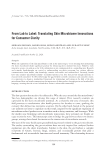
From Lab to Label: Translating Skin Microbiome Innovations for Consumer Clarity
Morgan Drohan, Daniel Shill, Monica Beltran and Durant Scholz |pp. 598–609
A Pentapeptide to Control Cutibacterium Acnes Growth and Activity
Pascaline Criton, Philippe Mondon, Alba Cico, Camille Silou, Carole Le Bachelier, Aurelien Pitois, Pauline
Diaz, Oliver Peschard, Richard Leroux and Caroline Ringenbach |pp. 610–625
REVIEW ARTICLES
Exploring the Connections between Skin Microbiome and Aging: A Review
Allison Garlet |pp. 626–632
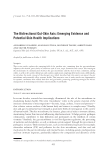
The Bidirectional Gut-Skin Axis: Emerging Evidence and Potential Skin Health Implications
Annabelle Schaefer, Ayanna Luthra, Mathilde Tardif, Albert Dashi and Oliver Worsley |pp. 633–659
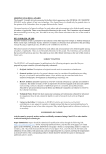
The Official Journal of the Society of Cosmetic Chemists
Volume 75 No. 6 |November/December 2024
ORIGINAL ARTICLES
Foreword to the Skin Microbiome Special Issue of the Journal of Cosmetic Science Celebrating its
75th Anniversary
Dr. Paul Lawrence |pp. 532–535
Reviving a More Than Century-Old Technology for Modern Skincare
Paul Lawrence, Brianna Scacchi, Kimberly Dew and Joseph Ceccoli |pp. 536–552
Effects of Prebiotic Micellar Solution on Makeup Removal and Skin Microbiome Balance
Lilian Mussi, Wagner Vidal Magalhāes, Flávio Bueno De Camargo Jr. and Giovana Padovani |pp. 553–564
An Innovative Model Based on Wild Type Bacteria Co-Culture to Identify Cosmetic Ingredients
That Respect the Skin Microbiota
Alicia Roso, Sophie Pecastaings, Sophie Cambos, Richard Martin, Laura Bauchet, Benoît Roubinet, Ludovic
Landemarre and Christine Garcia |pp. 565–580
First-Time Use of a Droplet-Based Microfluidic Method to Highlight Specificities of Microbiota
Communities From Sensitive Skin
Manon Gault, Sabrina Leoty-Okombi, Delphine Rival and Valérie André |pp. 581–597
From Lab to Label: Translating Skin Microbiome Innovations for Consumer Clarity
Morgan Drohan, Daniel Shill, Monica Beltran and Durant Scholz |pp. 598–609
A Pentapeptide to Control Cutibacterium Acnes Growth and Activity
Pascaline Criton, Philippe Mondon, Alba Cico, Camille Silou, Carole Le Bachelier, Aurelien Pitois, Pauline
Diaz, Oliver Peschard, Richard Leroux and Caroline Ringenbach |pp. 610–625
REVIEW ARTICLES
Exploring the Connections between Skin Microbiome and Aging: A Review
Allison Garlet |pp. 626–632
The Bidirectional Gut-Skin Axis: Emerging Evidence and Potential Skin Health Implications
Annabelle Schaefer, Ayanna Luthra, Mathilde Tardif, Albert Dashi and Oliver Worsley |pp. 633–659