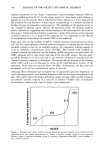
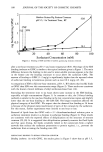
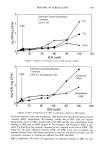
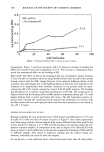
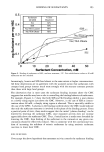
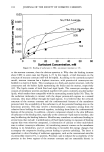
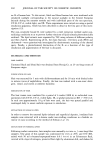
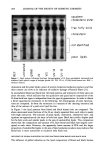
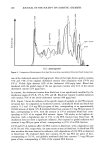
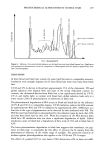
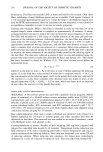
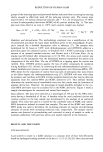
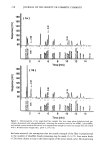
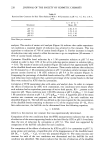
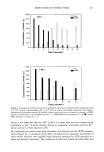
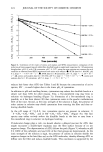
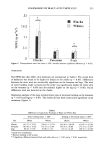
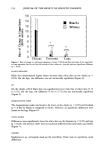
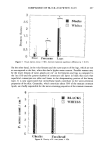
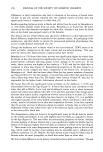
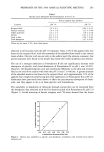
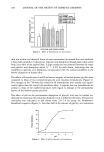
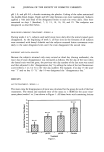
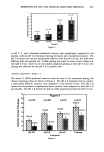
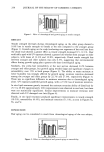
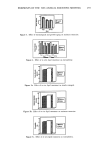
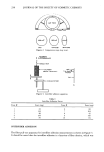
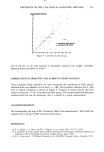
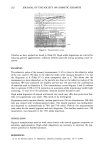
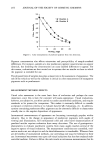
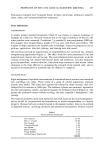
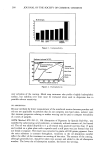
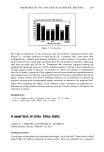
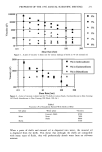
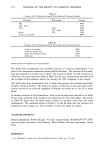
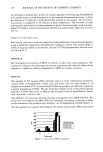
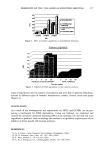
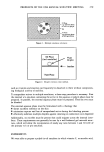
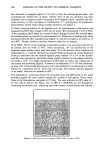
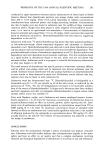
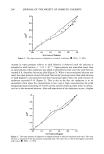
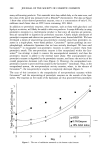
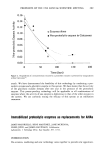
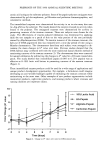
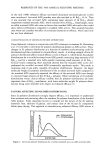
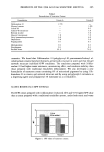
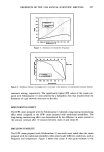
288 JOURNAL OF THE SOCIETY OF COSMETIC CHEMISTS many self-tanning products. Test materials were then added daily to the same area, and the color of the patch was measured with a Minolta © chromometer. The data in Figure 1 show that a fruit-derived proteolytic enzyme, even at a concentration of only 0.1%, exfoliates much faster than an OTC lotion containing 10% AHA. In addition to proteolytic enzymes, other enzymes, such as those with glycolytic and lipolytic activities, will likely be useful in skin care products. A major difficulty in using proteolytic enzymes in a multienzyme product is that since all enzymes are proteins, they are susceptible to digestion by proteolytic enzymes. Clearly simple admixtures of proteolytic enzymes and other active proteins will have a very limited shelf-life. We have developed a means of sequestering non-proteolytic enzymes away from proteolytic en- zymes in a single-phase, water-based product. Catezomes TM (patent pending) are non- phospholipid, substantive liposomes that we have recently developed. We have used Catezomes TM to encapsulate non-proteolytic enzymes in order to protect them from proteolytic attack. The non-proteolytic enzyme is first encapsulated within the Cate- zomes TM (no attempt is made to remove the unencapsulated material), and then the proteolytic enzyme is added to the external water phase. The unencapsulated non- proteolytic enzyme is degraded by the proteolytic enzyme, and hence the activity of the overall preparation decreases with time (Figure 2). However, the encapsulated non- proteolytic enzyme is protected from attack by the Catezomes T• membrane. Thus, in the encapsulated system, the non-proteolytic activity remains, where, in the absence of Catezomes TM , the non-proteolytic enzyme is completely destroyed (Figure 2). The crux of this invention is the encapsulation of non-proteolytic enzymes within Catezomes TM and the sequestering of proteolytic enzymes on the outside of the lipo- somes. The enzymes on the inside of the liposomes are thus protected from proteolytic A [] 0.1% Enzyme A 10% AHA lotion i i i i 3 4 5 6 Day Figure 1. The rate of exfoliation measured on the human volar forearm.

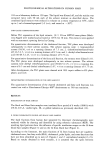
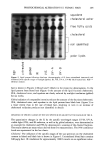
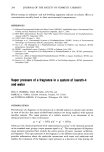
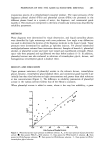
PREPRINTS OF THE 1996 ANNUAL SCIENTIFIC MEETING 289 0.16 16 ' 0.12 o 0.10 0.08 0.06 0.04 0.02 0.00 Enzymes alone Non-proteolytic enzyme in Catezomes 0 50 100 150 200 Time (days) Figure 2. Degradation of a non-proteolytic enzyme by a proteolytic enzyme is prevented by encapsulation within Catezomes attack. We have demonstrated the feasibility of this technology by combining a pro- teolytic enzyme and a glycolytic enzyme in this system. We have shown that the activity of the glycolytic enzyme remains after one year in the presence of the proteolytic enzyme. This patent-pending technology will be applicable to all combinations of enzymes where the activity of one enzyme is deleterious to that of the other enzyme in the system. We are currently testing the efficacy of this system as an exfoliation treatment. Immobilized proteolytic enzymes as replacements for AHAs JAMES MAIORIELLO, RENE MARTINEZ, JANE MCKENNA, CHRIS JUDD, and JAMES HAYWARD, Collaborative Laboratories, 3 Technology Drive, East Setauket, NY 11733. INTRODUCTION On occasion, marketing and new technology come together to provide new opportuni-
Purchased for the exclusive use of nofirst nolast (unknown)
From: SCC Media Library & Resource Center (library.scconline.org)