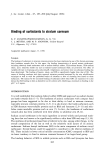
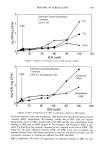
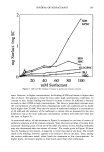
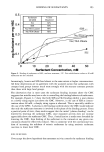
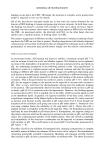
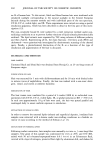
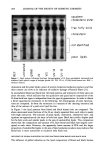
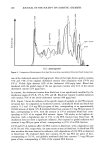
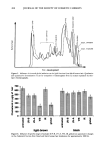
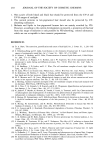
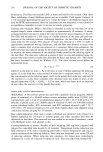
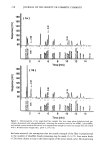
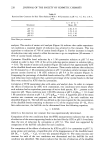
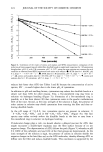
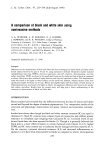
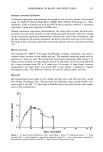
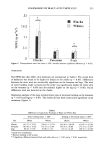
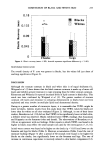
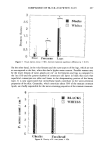
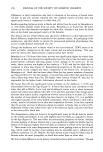
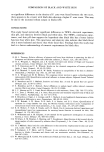
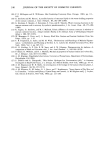
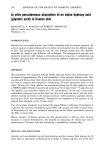
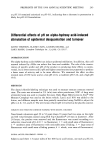
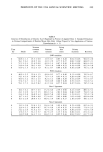
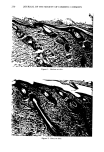
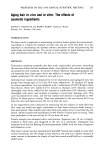
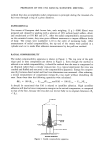
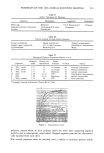
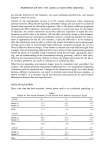
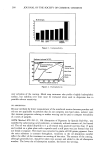
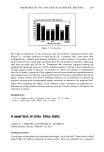
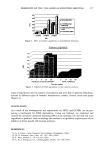
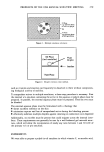
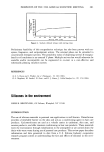
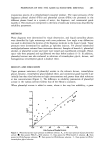
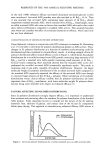
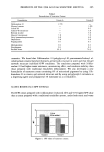
204 JOURNAL OF THE SOCIETY OF COSMETIC CHEMISTS I I I u_ 4-. o I_l_l C n,,' zD squalene cholesfero[ esfer free faffy acids cho[esfero[ nor idenfified polar [ipids Figure 1. Lipid pattern following thin-layer chromatography of IL from unirradiated (untreated) and irradiated [with specific ranges of sunlight (global, IR, VIS, UV-A, UV-B)] blond human hair. REF = reference mixture. cholesterol and the polar lipids consist of several cholesterol oxidation products and that their content can serve as an indicator of oxidative damage of keratin fibers (21). In unirradiated blond and black hair the lipid patterns and intensities of these spots are about the same, which indicates that the qualitative and quantitative composition of the IL from both hair types is independent from the type of pigmentation. In order to obtain a better quantitative estimation in the following, the densitograms of some lipid pat- terns are compared. In these the extinction is a measure of the charring intensity and thus of the amount of a particular lipid fraction. In Figure 3 the lipid patterns from blond and black human hair are compared. The above-mentioned main fractions of the IL are clearly separated from each other in peaks with high extinction. The amounts of polar lipids, cholesterol, cholesterol ester, and squalene are approximately the same in both hair types. Black hair yields a higher peak for the fatty acids and smaller peaks in the area of unidentified lipids. This comparison shows that the composition and amount of IL from blond and black hair largely corre- spond to each other. However, the apparently lower amount of FFA and the larger proportion of unidentified peaks in the area of lipid oxidation products may indicate that blond hair is more susceptible to oxidation than black hair. INFLUENCE OF GLOBAL RADIATION ON LIVID FRACTIONS FROM BLOND AND BLACK HAIR The influence of global radiation on the lipid composition of blond and black human

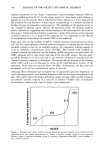
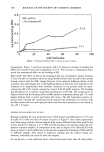
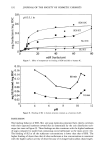
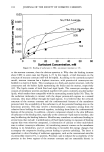
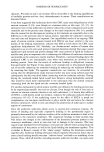
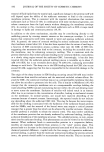
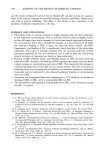
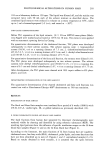
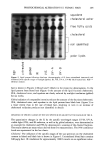
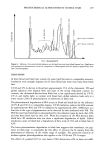
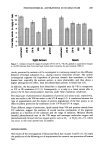
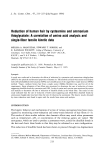
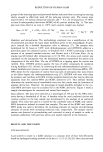
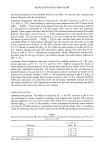
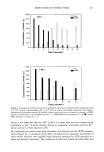
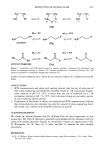
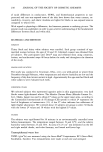
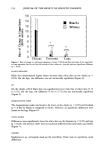
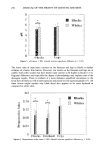
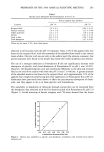
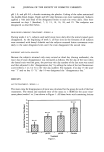
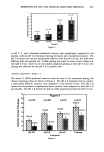
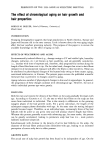
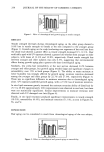
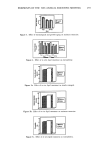
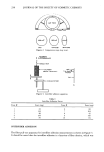
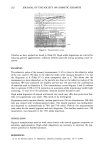
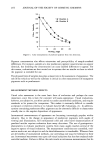
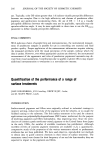
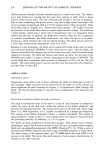
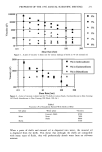
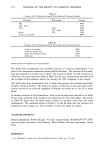
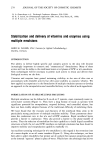
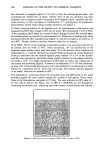
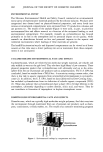
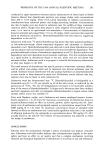
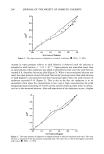
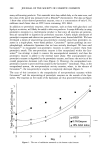
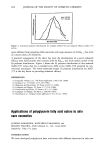
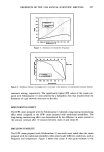
PHOTOCHEMICAL ALTERATIONS IN HUMAN HAIR 205 squalene cholesterol ester free fatty acids cholesterot not idenfified polar [ipids Figure 2. Lipid pattern following thin-layer chromatography of IL from unirradiated (untreated) and irradiated [with specific ranges of sunlight (global, IR, VIS, UV-A, UV-B)] black human hair. REF = reference mixture. hair is shown in Figures 4 (blond) and 5 (black) in the respective densitograms. In the lipid pattern from blond hair (Figure 4) the amount of the lipid fractions cholesterol, FFA, cholesterol ester, and squalene are clearly reduced by sunlight irradiation (global) for six weeks. Global radiation of comparable intensity reduces the amount of the fractions cholesterol, FFA, cholesterol ester, and squalene in the lipid pattern from black hair (Figure 5) to a lesser extent than in the case of blond hair, resulting in turn in an increase of cholesterol oxidation products (not identified in detail). INFLUENCE OF SPECIFIC RANGES OF THE SUN SPECTRUM ON QUANTITATIVE CHANGES IN THE IL The quantitative changes in the IL by the specific wavelength ranges UV-B, UV-A, visible light (VIS), and IR radiation, as well as by global radiation, were determined as an example for cholesterol and FFA by densitometric scanning of the charred fractions. The results shown are mean values derived from five measurements. The 95 % confidence levels are represented in the bar charts. Cholesterol. The influence of the specific ranges of the sun spectrum on the cholesterol content in blond and black hair is shown in Figure 6. Unirradiated blond hair contains 640 I•g/g hair. IR irradiation for approximately 1000 h results in no significant reduc-
Purchased for the exclusive use of nofirst nolast (unknown)
From: SCC Media Library & Resource Center (library.scconline.org)