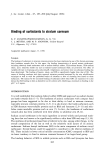
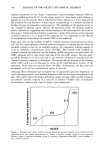
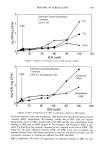
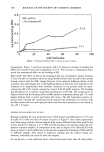
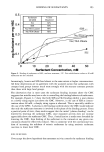
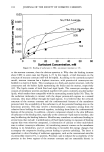
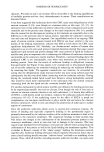
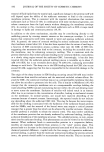
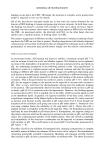
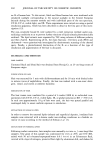
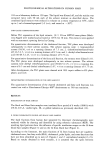
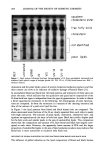
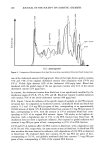
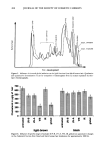
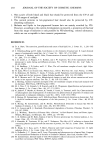
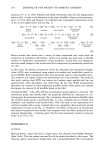
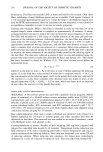
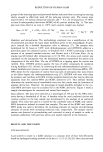
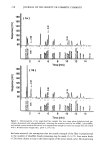
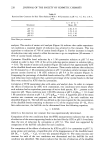
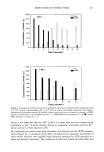
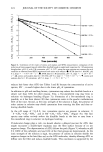
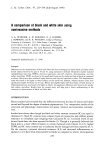
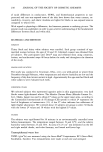
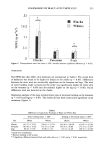
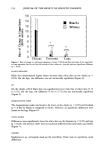
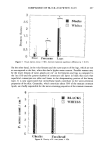
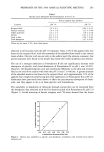
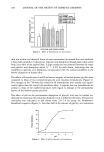
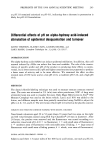
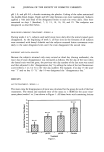
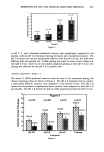
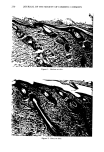
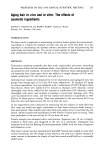
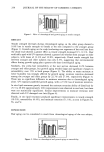
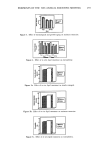
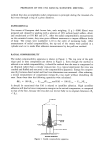
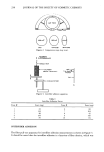
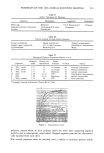
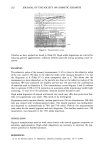
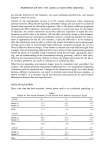
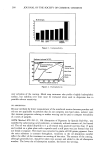
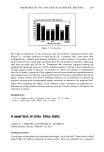
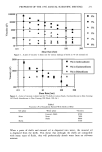
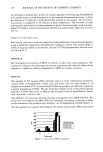
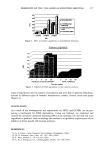
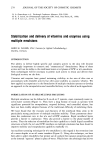
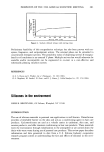
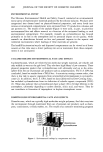
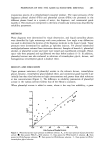
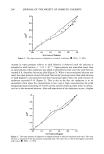
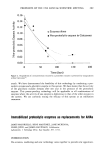
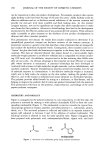
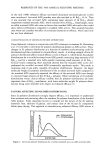
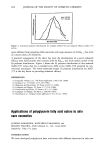
208 JOURNAL OF THE SOCIETY OF COSMETIC CHEMISTS t- TL[- development Figure 5. Influence of six-week global radiation on the lipid fractions from black human hair. Qualitative and quantitative determination occurs by comparison of densitograms from IL extracts separated by thin- layer chromatography. 700 .•. .c 600 o 500 = 400 'B 300 *• 200 o 100 light-brown black Figure 6. Influence of specific ranges of sunlight (UV-B, UV-A, VIS, IR, global) on quantitative changes in the cholesterol fraction from blond and black human hair (irradiation for approximately 1000 h).

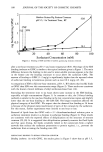
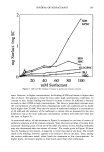
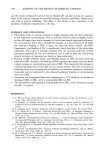
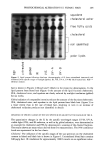
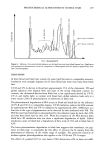
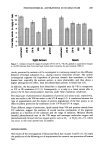
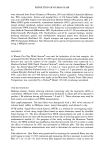
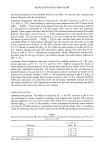
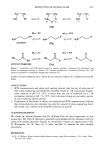
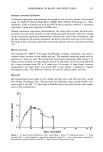
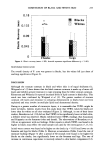
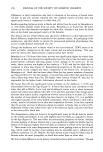
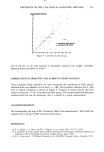
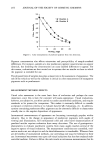
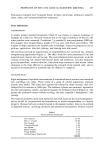
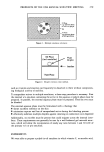
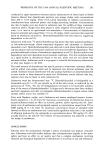
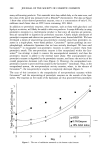
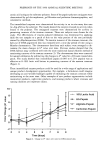
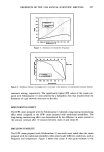
PHOTOCHEMICAL ALTERATIONS IN HUMAN HAIR 209 light-brown black Figure 7. Influence of specific ranges of sunlight (UV-B, UV-A, VIS, 1R, global) on quantitative changes in the FFA fraction from blond and black human hair (irradiation for approximately 1000 h). ciently protected by melanin will be investigated in continuing research on the diffusion behavior of foreign substances (e.g., during cosmetic treatments of hair). The current investigation supports the hypothesis of previous research that eumelanin in black human hair, especially the quinone system, is more photostable, and thus shows a higher photoprotective effect, than the pheomelanin present in blond hair (13). In addition, the hair pigment from blond hair is degraded most by VIS in comparison to UV or IR irradiation (12,13). Consequently, it is only to a lower extent able to protect the IL from photooxidative reactions under these irradiation conditions. The major part of photochemical degradation of proteins and amino acids, respectively, does not reside in the VIS but rather in the UV-B range (12). A correlation between the type of pigmentation and the degree of protein degradation of the hair points to an effective photo protection by eumelanin in the UV-B and UV-A ranges. These different ranges of protection, lipids mainly from VIS and proteins mainly from UV radiation, suggest the existence of several reaction mechanisms of the pigment polymer as a function of the substrate and the range of radiation. Melanin absorbs harmful photochemical rays in the VIS range and scavenges molecular oxygen and photochemically formed reactive oxygen species such as O2- or H20 2 (24-27), which can occur in the total system hair in parallel. CONCLUSIONS The results of the investigations of blond and black hair in parts I and II (12,13) imply the prediction of the following set of requirements for cosmetic sun protection of human hair:
Purchased for the exclusive use of nofirst nolast (unknown)
From: SCC Media Library & Resource Center (library.scconline.org)