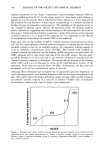
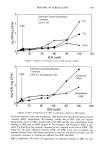
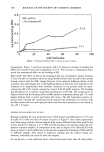
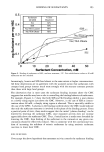
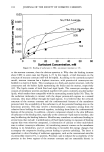
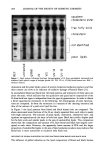
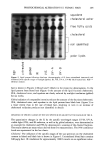
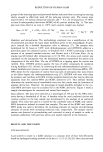
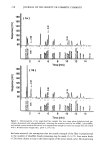
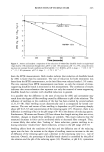
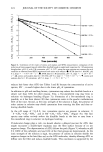
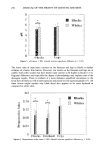
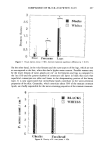
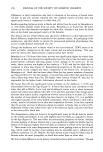
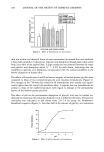
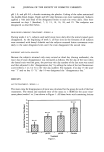
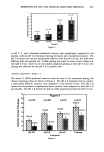
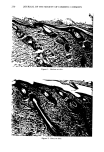
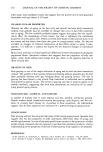
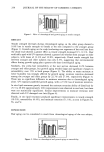
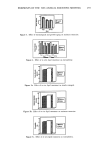
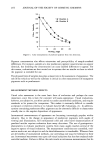
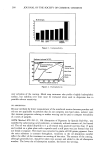
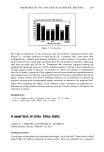
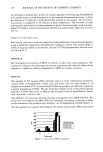
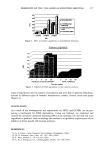
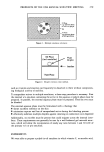
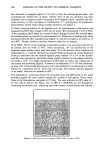
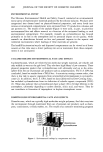
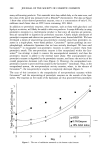
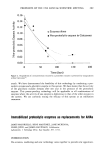
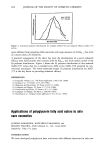
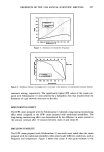
250 JOURNAL OF THE SOCIETY OF COSMETIC CHEMISTS Figure 1. Hairless rat skin. Figure 2. Hairy rat skin.

PREPRINTS OF THE 1996 ANNUAL SCIENTIFIC MEETING 251 The effect of chronological aging on hair growth and hair properties MIKLOS M. BREUER, School of Pharmacy, University of Rhode Island. INTRODUCTION Changing demographics suggests that large populations in North America, Europe and Japan will become old in the next century. Little is known about the way aging might affect the hair care/hair grooming industry. The purpose of this paper is to review the available knowledge on the effect of aging on hair. EFFECTS OF WEATHERING AND AGING Environmentally induced effects (e.g., damage owing to UV and visible light, humidity changes, pollution, etc.) are known as hair weathering, and are generally cumulative, i.e., increase with time of exposure and, therefore, they progressively increase along the length of hair fiber from root to tip. On the other hand, changes that occur in hair fibers irrespective of environmental exposure will affect the fibers in their entireties. These can be attributed to physiological changes of the human body owing to three causes: aging, nutritional deficiencies, or illnesses. The present paper reviews the published scientific literature that is pertinent to changes caused by aging. Aging induces a number of physiological changes in skin and its appendages. In general, the progression of these changes increases with chronological age. However, the rate at which individual persons age varies greatly. HAIR LOSS Both for men and women the density of hair fibers on the scalp gradually decreases with age. According to Courtois et al. (1), the rate at which hair fibers on the scalp are lost varies from individual to individual. This is due mostly to differences in the growing (anagen) phases of the hair growth cycles. For a given individual, the length of the subsequent anagen phases diminishes with age. At the same time the resting (telogen) periods become longer. Therefore, as an individual ages, increasingly fewer of his hair follicles will be active at any given time and will produce shorter length hair fibers. Whereas this process generally occurs with advancing age, for some males, the process can be greatly accelerated, leading to premature scalp hair loss (i.e., male pattern baldness syndrome (alopecia)). Simultaneously with decrease in the density of active hair follicles on the scalp, the diameter of the hair fibers produced also diminishes with age, leading to an increased perception of scarce scalp hair in older persons. GROWTH RATE The actual rate of scalp hair growth has been found to be independent of age. On the
Purchased for the exclusive use of nofirst nolast (unknown)
From: SCC Media Library & Resource Center (library.scconline.org)