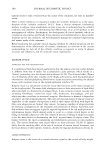
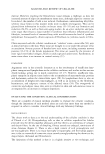
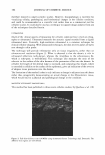
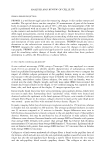
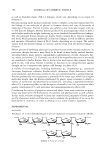
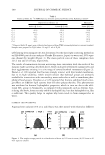
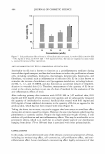
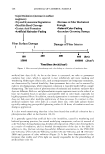
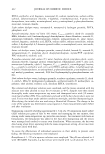
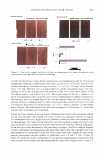
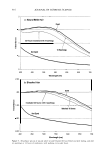
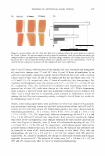
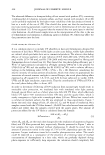
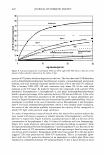
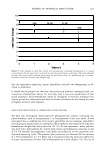
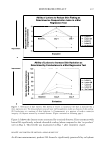
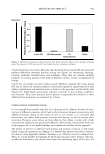
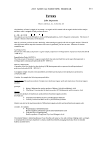
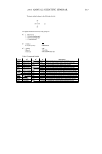
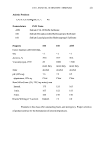
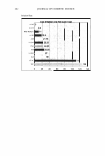
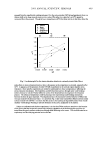
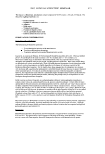
408 JOURNAL OF COSMETIC SCIENCE •Lipid Oxidation (increase in surface roughness) •Trp and Kynurenine Degradation •Disulfide Bond Cleavage •Cysteic Acid Formation •Artificial Haircolor Fading 1 Fiber Surface Damage I I 100 15000 200 •Decrease in Fiber Mechanical Strength •Natural Color Fading •Secondary Grooming Damage l Damage of Fiber Interior 300 400 (hrs) 600000 (J/cm1) Time/Dose (hrs )/(J/cm2) Figure 1. Hair structural photodamage and color fading as a function of irradiation dose. artificial hair dyes (6-9). As far as the latter is concerned, we refer to permanent oxidative hair color, which is expected to last indefinitely and resist washing and weathering. Other types of hair color, such as semipermanent and temporary treatments, are characterized by limited durability. Semi-permanent hair color can be removed by eight to ten shampooings, while temporary coloration is typically washed off in a single shampooing. The time scales of photoreactions of melanins and synthetic oxidative hair dyes are different. Both eu- and pheomelanins require exposure times on the order of at least two hundred hours to produce a perceptible shift in color shade, especially for highly pigmented fibers. In addition, natural pigmentation is resistant to washings and does not fade even after multiple applications of these processes. In contrast to this, artificial oxidative hair color fades at a much faster rate, with dark auburn shades typically undergoing perceptible lightening within 8-10 hours of irradiation and one shampoo application. It is also worth mentioning that that it has been found that artificial coloration has a photoprotective effect on hair keratin (10, 11). It is generally agreed that artificial hair color instability, caused by weathering and habitual grooming practices, has several underlying components, such as (a) removal of a dye from hair during shampooing, (6) photodecomposition of hair color chromophores as a result of irradiation, and (c) thermal decomposition of the dye in the dark. In addition to this, the hair-coloring dyes exhibit different sensitivities to the UVB (280 nm-320 nm), UVA (320 nm--400 nm), visible (370 nm-780 nm), and IR (750 nm- 2800 nm) portions of solar radiation (Figure 2). It has been demonstrated in the literature that visible and UV A light are mostly responsible for the photofading of artificial hair color (6).

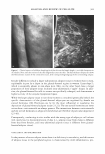
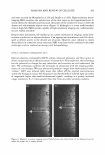
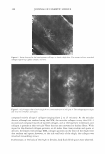
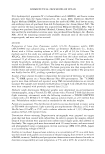
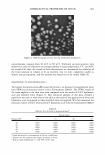
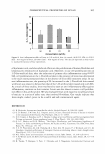
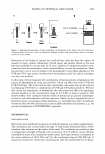
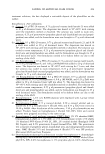
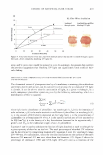
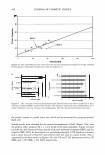
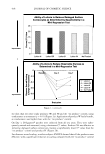
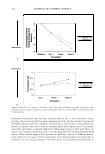
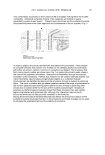
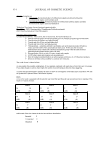
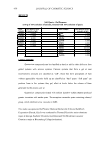
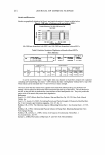
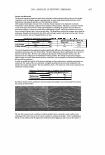
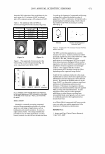
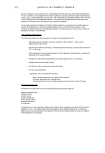
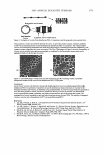
3I --+ i �-i H FADING OF ARTIFICIAL HAIR COLOR 409 Area 1, not irradiated ---+--i;.... --+ Area 2, irradiated Treat 3/4 1 Sllqoo Saq1le Irradiate Figure 2. Experimental procedures of hair weathering: (a) Irradiation of the whole tress with color mea surements taken at the tress center. (b) Irradiation through window with measurements taken in the areas indicated in the scheme. Prevention of the fading of natural and artificial hair color has been the subject of research in many cosmetic laboratories. Several papers and patents related to this area have been published in recent years (6-9), and a number of commercial products were introduced into the marketplace, which claimed efficacy in color loss prevention. There has also been a lot of activity related to the development of new photo-absorbers of the UVB and UV A type, and an introduction of antioxidants and/or free radical scavengers into hair care products. In this work, we have reassessed the contributions of various portions of radiation to the process of photofading by using special filters, which can effectively block UVB and UVB/UVA light. The results indicate that considerable color protection can be achieved by employing UV A filters or combinations of UVB and UV A photo-absorbers. We have also carried out experiments to demonstrate the color protection effects by employing selected absorbers in the concentration range of 0.5-6.0% in leave-in products. The observed effects were correlated with the results of theoretical calculations of photopro tection for individual absorbers and their mixtures. Finally, we have explored the use of blends of organic and inorganic photo-absorbers, e.g., benzophenone-ZnO. In addition, we have studied the effect of mixtures or salts of photo-absorbers and polymers, e.g., the system benzophenone-4-PVP/DMAPMA copolymer. EXPERIMENT AL INSTRUMENTATION Hair tresses were weathered by exposure to artificial radiation in an Atlas weatherometer. This instrument uses a xenon lamp with type "S" high-borate borosilicate filters, which simulates solar radiation on the surface of the earth. The irradiation was similar to that of average April sunlight in Florida, with an intensity of 0.35 mW/m2-nm at 340 nm, controlled by means of an irradiation control sensor. Such light intensity corresponds to the total irradiation of 149.4 J/(hr cm2) for the wavelength range of 400-800 nm. A typical test involved 21 tresses and a total exposure time that varied from 8 to 32 hours,
Purchased for the exclusive use of nofirst nolast (unknown)
From: SCC Media Library & Resource Center (library.scconline.org)