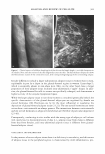
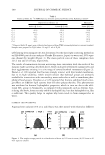
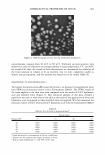
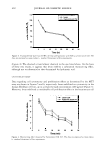
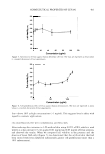
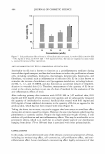
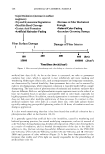
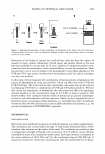
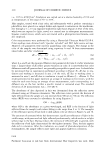
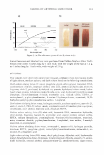
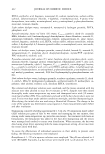
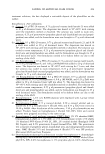
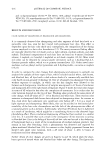
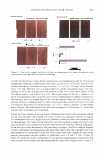
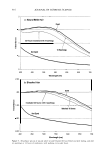
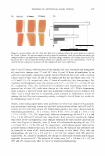
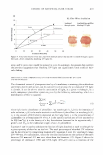
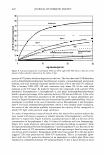
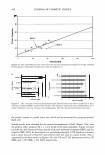
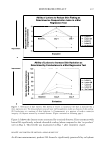
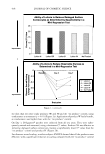
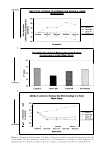
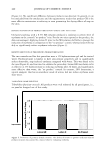
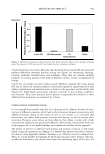
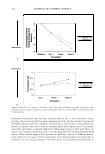
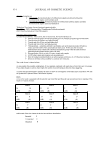
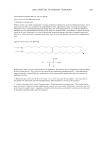
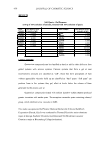
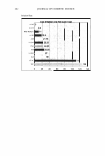
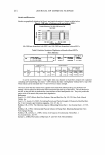
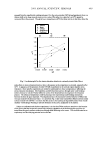
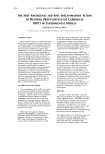
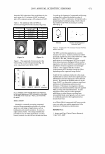
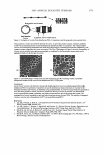
Improvement ,., C'O C � 0.8 C'O � 0.6 Cl) .c 'E- 0.4 w .5 S 0.2 "'C 0 & MOISTURIZER EFFICACY Lotion GR 20% Benzocaine 1 % Hydrocortisone 441 Water Figure 4. Alleviation of primary dermal irritation. The ability of lotion GR to reduce primary irritation caused by exposure to SLS was assessed by a trained observer evaluating erythema. Overall dermatological assessment. After one and two weeks of use, lotion GR and associated products effectively decreased dry-skin scaling (see Figure Sa), excoriation, fissuring, crusting, erythema, lichenification, and roughness. Thus, they are valuable ancillary products in treating patients with mild-to-moderate xerotic eczema accompanied by itching. Overall skin care product assessment (subject-assessed). Panelists reported that using Lotion GR and its associated cleansers produced statistically significant improvements in skin softness, smoothness, and moisturization, as well as in the appearance and feel of dry skin (Figure Sb). Additionally, participants reported a decrease in skin itching, roughness, and irritation. Thus, these products deliver panelist-recognizable skin benefits to those suffering from dermatoses accompanied by itching. CONCLUSIONS AND DISCUSSION In vivo controlled-use models allow for the evaluation of the different benefits of mois turizers in different situations, which lead to discrimination between moisturizers with different formulae. Based on the results of each in vivo model, it is concluded that moisturizers can reduce both primary irritation and dryness, as well as prevent their recurrence. However, some lotions are more effective than others a lotion with a high concentration of glycerin was particularly effective. Additionally, results of the home-use study support the in vivo model findings and confirm the validity of this approach. The ability of glycerin to alleviate both dryness and primary irritation is well estab lished. Using the regression test, Shapiro (23) showed that glycerin was able to alleviate dry skin in a dose-dependent manner. Rawlings et al. (24) have recently confirmed this. There are several possible mechanisms by which glycerin may relieve dryness. Glycerin, an effective humectant, may absorb water from the underlying layers of the skin. An

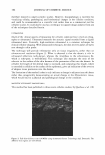
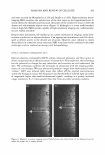
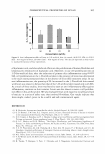
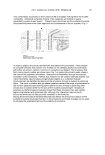
442 Improvement a Improvement b � 4.5 ·;:: ·5 4 'j 3.5 JOURNAL OF COSMETIC SCIENCE 0 --.--------------------------, -4+----�---------�--------1 Baseline Day 1 Day 1 Week 1 Evaluation Week 1 Evaluation Week2 Week2 -•-- Regimen GR -- ,. -- Regimen LG -Regimen GR - • - Regimen LG Figure 5. Results of the home-use validation study. The effects of different regimens on panelists' skin conditions were assessed in a home-use study. The panelists' skin was evaluated by (a) a dermatologist and (b) the panelists. alternative mechanism that has been demonstrated in vivo is the stimulation of the enzymes that are responsible for proper desquamation (25). Another possibility proposed by Froebe, Mattai, and their colleagues (26,27) from in vitro studies is that glycerin can prevent the phase transition of stratum cornuem lipids from liquid crystal to gel phase even when the bilayer is partially dehydrated. This phase change in the lipid bilayer can result in an increase in water loss, and in vivo this may affect the stratum cornuem water barrier. These studies suggest that glycerin can work by a variety of different mecha nisms. However, for many of these mechanisms to be realized, glycerin must be able to penetrate into the stratum cornuem. This does occur, with glycerin being delivered to
Purchased for the exclusive use of nofirst nolast (unknown)
From: SCC Media Library & Resource Center (library.scconline.org)