]. Cosmet. Sci., 56, 427-444 (November/December 2005) Ability of moisturizers to reduce dry skin and irritation and to prevent their return F. ANTHONY SIMION, ERIC S. ABRUTYN, and ZOE D. DRAELOS, The Kao Brands Company, 2535 Spring Grove Avenue, Cincinnati, OH 45214 (F.A.S., E.S.A), and Dermatology Consulting Services, 2444 North Main Street, High Point, NC 27262 (Z.D.D.). Accepted for publication May 5, 2005. Presented in part at the 58th Annual Meeting of the American Academy of Dermatology, 2000, and at the Annual Scientific Meeting of the Society of Cosmetic Chemists, December 2000 Synopsis Assays of moisturizer efficacy have traditionally focused on a moisturizer's ability to alleviate dry skin. More recently, a moisturizer's ability to prevent primary irritation has been recognized. To assess and compare the ability of moisturizers to alleviate skin dryness and primary irritation, as well as prevent their return, four controlled-application clinical (in vivo) studies were carried out: hand-wash test, regression test, reduction in pre-existing irritation study, and prevention-of-irritation studies. Overall conclusions were confirmed in a home-use clinical (validation) study of people suffering from mild eczema. The controlled in vivo studies demonstrate that: (a) a moisturizer can alleviate skin dryness and irritation, and prevent their return and (6) the efficacy of different moisturizers can be differentiated, based on their composition. The home-use study results demonstrated that the most effective moisturizer identified by the controlled-application studies was highly effective against the signs of eczema. In vivo modeling of moisturizer efficacy enables assessment and optimization of different benefits separately, while predicting the quantitative and perceived (observed) relevance of the benefits the moisturizer delivers to consumers. INTRODUCTION Millions of people suffer daily from skin dryness, itching, scaling, and redness due to a large variety of causes. The most common cause of skin dryness and irritation is exposure to surfactants and/or solvents, either as part of aggressive daily hygiene, repeated hand washing, exposure to cleaning solvents, or occupational activities. The skin barrier, composed of corneocytes and intercellular lipids, can only withstand a finite amount of damage until skin disease results. Predisposing factors to skin disease include low humidity conditions from cold dry weather and insufficient or defective sebum produc tion. It is for these reasons that dry skin is more common in the winter months and 427

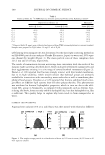
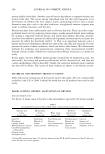
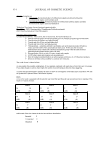
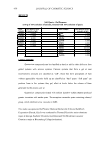
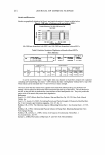
428 JOURNAL OF COSMETIC SCIENCE among elderly individuals. Another cause of barrier degradation is repeated wetting and drying of the skin. This occurs among individuals who lick their lips frequently or on the bottoms of children who wear diapers. Lastly, immunologic factors such as atopic dermatitis may play a role in dry skin conditions: a heightened immune response may result in asthma, hay fever, and dry skin. Moisturizers have been traditionally used to alleviate dry skin. They can reduce trans epidermal water loss by promoting barrier repair, soothe exposed dermal nerve endings by creating a temporary artificial barrier, and restore skin softness. Recently, moistur izers have been shown to prevent the induction of primary irritation and to accelerate the processes by which the skin heals itself (1-5). This is an important function, since a quality moisturizer formulation should not only reduce dry skin and irritation, but also prevent the return of these conditions, which can lead to skin disease. We demonstrate methods for modeling and quantitatively evaluating these moisturization benefits through clinical studies, followed by overall product efficacy evaluation in a home-use study. In this paper, the four different model systems utilized will be presented in turn. For each model, the history and previous publications will be discussed first, and then the current methodology will be described. Finally, the statistical methods used to analyze the data will be shown. The results of these analyses are shown in the Results section. MATERIALS AND METHODS: PRODUCTS TESTED Table I shows the composition of the lotions used in this study. All were commercially available in the U.S. in 2000. It should be noted that not all products were used in each study. MODEL SYSTEM I. BENEFIT: ALLEVIATION OF DRYNESS MINI-REGRESSION TEST Test history. A major cause of dry skin is the environment, especially cold winter weather Table I Key Ingredients Listed in Descending Order of Concentration (excluding water) Glycerin-rich lotion (Lotion GR) Glycerin* Petrolatum Ceteary 1 alcohol Behentrimonium chloride Cetyl-PG-hydroxyethyl palmitamide Oatmeal extract Eucalyptus extract Hydrocarbon lotion (Lotion H) Petrolatum Mineral oil Ceresin Lanolin alcohol Waxy lotion (Lotion W) Emulsifying wax Glycerin Octyl isononanoate Dimethicone Butylene glycol lotion (Lotion B) Butylene glycol Mineral oil Petrolatum Glycerin Cetyl alcohol Low-glycerin lotion (Lotion LG) Glycerin Stearic acid Glycol stearate Sunflower seed oil * Lotion GR contains more than 15% glycerin, whereas lotions W, B, and LG contain less than 8% glycerin. Lotion H does not contain glycerin.
Purchased for the exclusive use of nofirst nolast (unknown)
From: SCC Media Library & Resource Center (library.scconline.org)