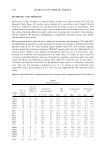
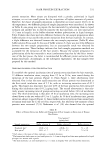
590 JOURNAL OF COSMETIC SCIENCE MODULATING MC 1 R ACTIVITY THROUGH THE USE OF BIOMIMETIC PEPTIDES Kristen Potts, P. Dow, S. Kautz, C. Murphy and C. Zorzopian Active Concepts, LLC Melanogenesis, or the production of melanin for skin pigmentation, begins with the assembly of small chemical messengers in the upper layers of the skin. Lighter skin tends to have lower basal levels of melanogenesis, but exposure to UV radiation or other environmental stress generally induces the amplification of melanin production. One such chemical messenger is Alpha-Melanocyte Stimulating Hormone, or a.-MSH. Melanocyte stimulating hormones belong to a group called the melanocortins, which includes Adrenocorticotropic Hormone (ACTH), a.-MSH, �-MSH, and y-MSH. These peptides are all excision products of a large protein called pro-opiomelanocortin (POMC), but a.-MSH provides the most significant peptide activity. The a-MSH then migrates to and stimulates the melanocortin receptor MCIR, and the resulting cascade of biochemical processes yields an increase in melanin production. Though a.-MSH is an agonist at the Melanocortin-1 Receptor (MClR), there also exist antagonists, such as Agouti Signal Protein (ASP). ASP is able to successfully bind to the MCIR receptor and block the production of a-MSH-stimulated eumelanin (dark melanin), while still allowing the production of pheomelanin (light melanin). In this experiment, novel analogs of a.-MSH and ASP have been isolated. These analogs have key amino acid sequences that were intended to induce changes in skin pigmentation through interactions with the Melanocortin-1 Receptor. To verify this, the analogs and liposomal compositions thereof were tested using a standard MatTek MelanoDerm Assay. This skin model consists of normal, human-derived epidermal keratinocytes and melanocytes that have been co cultured to form a multilayered, highly differentiated model of the human epidermis. The Melanoderm tissues are cultured on specially prepared cell culture inserts using serum free medium. Under appropriate conditions, the melanocytes within this model undergo melanogenesis, leading to melanin accumulation within the tissues over time, which can be influenced by test materials that can either increase (skin darkening agents) or decrease (skin lightening agents) melanin synthesis. With this model, the water-soluble test materials will be directly applied to the surface of the Melanoderm-tissue. Test materials were incubated with the Melanoderm tissue for 14 days. During this period, the tissues were analyzed as follows: (1) biochemical assays for melanin content [day 14], (2) observation of tissue darkening/lightening [days 0, 7, 14], and (3) MTT analysis [day 14]. A MTT assay is a colorimetric analysis of the metabolic activity of the cell, which is a reflection of cell viability. Reduction in MTT by mitochondria results in the formation of insoluble purple formazin crystals that are extracted from the cells with isopropanol and quantified spectrophtometrically. The intensity of the purple color is directly proportional to the metabolic activity of the cells and inversely proportional to the toxicity of the test material. Samples of the two biomimetic peptides were isolated and prepared without preservatives as shown in Table 1. The liposomal dispersions have particle sizes below 250nm. The test materials were prepared by Active Concepts, LLC and shipped to Biolnnovation Laboratories for the assay.

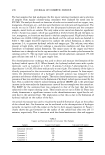
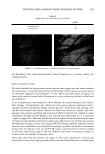
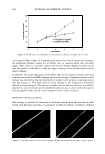
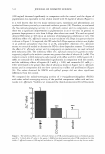
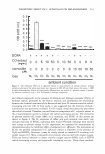
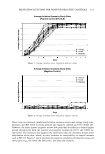
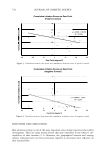
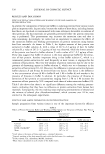
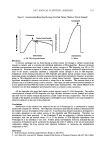
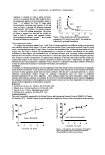
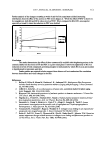
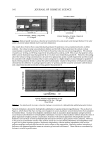
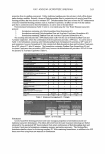
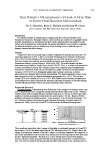
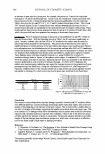
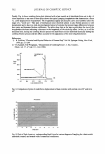
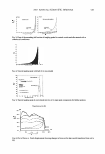
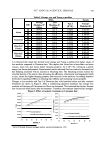
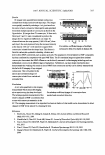
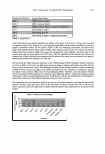
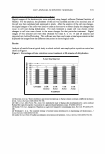
Sample Identification 1 MSH2 ASP 1 Table 1. Sample key. 2007 ANNUAL SCIENTIFIC SEMINAR 591 25µ1 of test material was applied topically to the surface of the tissue. In this study, 1 % Kojic Acid was used as a positive control (25µ1 volume) for a skin lightening agent while tissues treated with PBS was used as a negative (untreated) control. For the positive control in the skin darkening experiments, the tissues were treated with standard MatTek Media (with a-MSH), while negative control tissues were treated with MatTek Media that did not contain a-MSH. Four tissues were prepared for each treatment, with three used for the melanin assay and one tissue used for the MTT assay. After the application of the materials, the tissues were incubated for 14 days. During this incubation period, the tissues were rinsed, new test materials were applied, and the assay medium was changed every other day. We found that the 50ppm liposomal dispersion of the a-MSH analog (MSH3) stimulates melanin production as well as a-MSH. At all levels, the ASP analog decreases melanin synthesis and lightens skin better that the kojic acid used as a positive control. This lightening occurred in tissue samples exposed to a media containing a-MSH. However because the higher levels (ASP2 and ASP3) had low viabilities, it is difficult to separate the impact of the cytotoxic effects from the skin lightening effects. Therefore, only test material with the lowest concentration (ASPl) appears to be inducing a skin lightening effect by reducing the melanin content in the tissues. Thus, biomimetic peptides promise an efficacious route for the modification of melanogenesis, without the cytotoxicity or formulation limitations commonly seen in this area. This compelling discovery introduces peptides into aspects of cosmetic chemistry other than for anti-wrinkle purposes and may open many other doors in the near future. Cosmetic chemists now have a new tool to induce a gradual, natural skin lightening or tanning effect through the topical application of an aqueous-based product. GI :::, Graph 3. Melanin per Tissue Weight I= 15.0 --------------------- r _ 12.0 �---- ' j 9.0 ..,_ ___ _ = I s.o "i 3. 0 1i 0.0 gi ,1:- °' �ca Treatment
Purchased for the exclusive use of nofirst nolast (unknown)
From: SCC Media Library & Resource Center (library.scconline.org)