650 JOURNAL OF COSMETIC SCIENCE
innervated and vascularized, playing vital roles in immune response and neuroendocrine
function.30 Thus, the similarities and the interconnectedness of their respective microbiomes
highlight the importance of maintaining balance in both for overall systemic health.30
Disruptions in one organ can lead to dysbiosis in the other, as emerging research illustrates
the immunomodulating potential of microbiomes on distant organs.3
The application of therapeutic and nutricosmetic interventions based on the gut-skin axis
suggests that similar approaches might be possible for the skin-gut axis in the future, raising
intriguing possibilities for researchers to design and create novel cosmetic and therapeutic
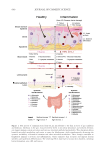
products. For example, the aforementioned research by Dokoshi et al. (2024), that shows
how cutaneous inflammation can alter the gut microbiome, may guide the development of
cosmetic products that enhance dermal stability and prevent disturbances in both the skin
and gut microbiome.6 Formulating products to reduce skin inflammation could, in turn,
help avert gut microbiome dysbiosis, potentially through topical synbiotics or LBPs.
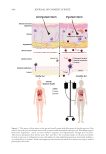
Transdermal therapeutics exemplify how skin-targeted treatments can achieve systemic
effects.172 Although the concept of transdermal drug delivery dates back to 3000 BC with
use in ancient Egyptian and Babylonian medicine, it only became widespread in the latter
part of the 20th century. This shift occurred with advancements in delivery technologies
that allowed for the precise and consistent administration of medication through the
skin.173 Notable and relevant examples include the daily application of patented vitamin
D3 patches, which effectively increase serum 25-hydroxyvitamin D (25(OH)D) levels, and
studies involving biomimetic nanovesicles (tiny vesicle-like structures designed to mimic
biological membranes) loaded with folic acid and iron incorporated into polyacrylate-based
transdermal patches.172,174 These nanovesicles demonstrated the ability to fluidize skin
lipids and penetrate deeper layers, thereby enhancing nutrient absorption.174
Furthermore, the emerging field of neurocosmetics, which harnesses the skin-brain axis to
influence interactions between the skin and the nervous system through skincare products,
offers a potential framework for future applications involving the skin-gut axis.175 This field
encompasses a range of functional ingredients and commercial products that are specifically
designed to be applied to the skin and subsequently operate at a neurological level. These
products affect the cutaneous nervous system and modulate the skin’s neuromediators
through various mechanisms of action, and the skin-gut axis may be affected similarly.175
While extensive research is essential to fully elucidate the bidirectional nature of the gut-
skin/skin-gut axis, the expanding body of literature on this communication pathway is
both exciting and promising.6,166,168,170 This ongoing investigation into the gut-skin axis
has highlighted its significant role in various skin conditions and overall skin health,
underscoring one aspect of this complex relationship. Moreover, understanding the reverse
skin-gut axis opens new avenues for developing innovative treatments and strategies. By
leveraging the accessibility of the skin—the body’s largest organ—and its interconnectedness
with other organs, researchers can explore both therapeutic and cosmetic approaches to
achieve systemic benefits.
REFERENCES
(1) Aggarwal N, Kitano S, Puah GRY, Kittelmann S, Hwang IY, Chang MW. Microbiome and human
health: current understanding, engineering, and enabling technologies. Chem Rev. 2023 123(1):31–72.
doi:10.1021/acs.chemrev.2c00431
innervated and vascularized, playing vital roles in immune response and neuroendocrine
function.30 Thus, the similarities and the interconnectedness of their respective microbiomes
highlight the importance of maintaining balance in both for overall systemic health.30
Disruptions in one organ can lead to dysbiosis in the other, as emerging research illustrates
the immunomodulating potential of microbiomes on distant organs.3
The application of therapeutic and nutricosmetic interventions based on the gut-skin axis
suggests that similar approaches might be possible for the skin-gut axis in the future, raising
intriguing possibilities for researchers to design and create novel cosmetic and therapeutic
products. For example, the aforementioned research by Dokoshi et al. (2024), that shows
how cutaneous inflammation can alter the gut microbiome, may guide the development of
cosmetic products that enhance dermal stability and prevent disturbances in both the skin
and gut microbiome.6 Formulating products to reduce skin inflammation could, in turn,
help avert gut microbiome dysbiosis, potentially through topical synbiotics or LBPs.
Transdermal therapeutics exemplify how skin-targeted treatments can achieve systemic
effects.172 Although the concept of transdermal drug delivery dates back to 3000 BC with
use in ancient Egyptian and Babylonian medicine, it only became widespread in the latter
part of the 20th century. This shift occurred with advancements in delivery technologies
that allowed for the precise and consistent administration of medication through the
skin.173 Notable and relevant examples include the daily application of patented vitamin
D3 patches, which effectively increase serum 25-hydroxyvitamin D (25(OH)D) levels, and
studies involving biomimetic nanovesicles (tiny vesicle-like structures designed to mimic
biological membranes) loaded with folic acid and iron incorporated into polyacrylate-based
transdermal patches.172,174 These nanovesicles demonstrated the ability to fluidize skin
lipids and penetrate deeper layers, thereby enhancing nutrient absorption.174
Furthermore, the emerging field of neurocosmetics, which harnesses the skin-brain axis to
influence interactions between the skin and the nervous system through skincare products,
offers a potential framework for future applications involving the skin-gut axis.175 This field
encompasses a range of functional ingredients and commercial products that are specifically
designed to be applied to the skin and subsequently operate at a neurological level. These
products affect the cutaneous nervous system and modulate the skin’s neuromediators
through various mechanisms of action, and the skin-gut axis may be affected similarly.175
While extensive research is essential to fully elucidate the bidirectional nature of the gut-
skin/skin-gut axis, the expanding body of literature on this communication pathway is
both exciting and promising.6,166,168,170 This ongoing investigation into the gut-skin axis
has highlighted its significant role in various skin conditions and overall skin health,
underscoring one aspect of this complex relationship. Moreover, understanding the reverse
skin-gut axis opens new avenues for developing innovative treatments and strategies. By
leveraging the accessibility of the skin—the body’s largest organ—and its interconnectedness
with other organs, researchers can explore both therapeutic and cosmetic approaches to
achieve systemic benefits.
REFERENCES
(1) Aggarwal N, Kitano S, Puah GRY, Kittelmann S, Hwang IY, Chang MW. Microbiome and human
health: current understanding, engineering, and enabling technologies. Chem Rev. 2023 123(1):31–72.
doi:10.1021/acs.chemrev.2c00431