568 JOURNAL OF COSMETIC SCIENCE
The coculture protocol was optimized before the testing of ingredients. More specifically,
the nutrient concentration of the medium was reduced, the pH was adjusted at 6.5 (lowest
pH to allow the growth of all bacteria) and the incubation temperature was set at 32°C
(data not shown). The selection of incubation time and atmosphere are presented in the
Results section.
INGREDIENTS ANALYSIS IN THE COCULTURE MODEL
Ingredients (glucose, inulin, glycine, proline, glycerol and a mix of ethyl- and methylparabens,
50:50) were purchased from Sigma-Aldrich (St. Louis, MO, USA). Phenoxyethanol was
purchased from Honeywell Fluka (Morristown, New Jersey, USA), pentylene glycol
from Minasolve (Mont-Saint-Guibert, Belgium), butylene glycol from OXEA GmbH
(Oberhausen, Germany) and 1,3–propanediol from Knoell NL BV (Wageningen,
Netherland). SolagumTM AX is an ingredient from Seppic (La Garenne-Colombes, France)
obtained by a physical process between two polysaccharides: xanthan gum and acacia gum
(composite polymer, INCI name: Acacia Senegal Gum and Xanthan Gum).
The ingredients were dissolved in a minimal coculture medium and 180 µL were placed
in 96-well microplates at 1.1× of the test concentration. A positive control was included
in each test series (minimal medium without ingredient). Each sample was inoculated
with the consortium (20 µL). Microplates were incubated at 32°C. After incubation,
samples were diluted in sterile NaCl 0.9% (Merck, Darmstadt, Germany) and plated on
appropriate media (as described in the bacterial culture section) to determine the microbial
concentration of each species, in CFU/mL.
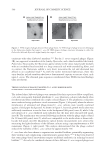
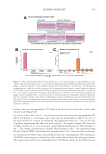
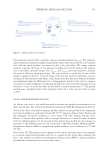
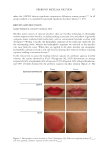
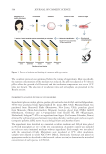
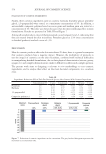
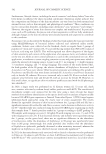
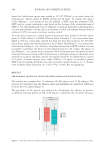
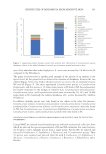
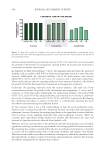
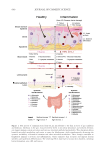
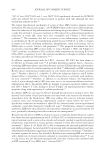
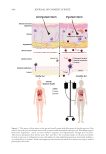
Figure 1. Process of isolation and banking of cutaneous wild type strains.
The coculture protocol was optimized before the testing of ingredients. More specifically,
the nutrient concentration of the medium was reduced, the pH was adjusted at 6.5 (lowest
pH to allow the growth of all bacteria) and the incubation temperature was set at 32°C
(data not shown). The selection of incubation time and atmosphere are presented in the
Results section.
INGREDIENTS ANALYSIS IN THE COCULTURE MODEL
Ingredients (glucose, inulin, glycine, proline, glycerol and a mix of ethyl- and methylparabens,
50:50) were purchased from Sigma-Aldrich (St. Louis, MO, USA). Phenoxyethanol was
purchased from Honeywell Fluka (Morristown, New Jersey, USA), pentylene glycol
from Minasolve (Mont-Saint-Guibert, Belgium), butylene glycol from OXEA GmbH
(Oberhausen, Germany) and 1,3–propanediol from Knoell NL BV (Wageningen,
Netherland). SolagumTM AX is an ingredient from Seppic (La Garenne-Colombes, France)
obtained by a physical process between two polysaccharides: xanthan gum and acacia gum
(composite polymer, INCI name: Acacia Senegal Gum and Xanthan Gum).
The ingredients were dissolved in a minimal coculture medium and 180 µL were placed
in 96-well microplates at 1.1× of the test concentration. A positive control was included
in each test series (minimal medium without ingredient). Each sample was inoculated
with the consortium (20 µL). Microplates were incubated at 32°C. After incubation,
samples were diluted in sterile NaCl 0.9% (Merck, Darmstadt, Germany) and plated on
appropriate media (as described in the bacterial culture section) to determine the microbial
concentration of each species, in CFU/mL.
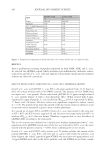
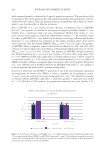
Figure 1. Process of isolation and banking of cutaneous wild type strains.