570 JOURNAL OF COSMETIC SCIENCE
was set at 32°C. The pH (6.5) was the minimal acidity that all bacteria could tolerate
(data not shown). The incubation time was adjusted to obtain the correct proportions of
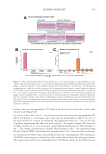
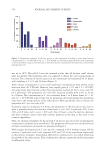
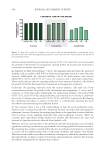
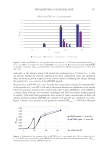
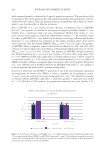
bacteria. The evolution of the five species in the consortium was monitored for 24 hours,
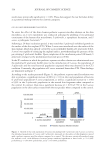
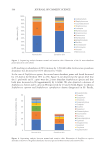
with sampling at 2, 4, 8, and 24 hours (Figure 2).
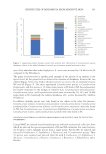
After 2 hours of incubation, C xerosis and S epidermidis concentrations were inferior to the
detection limit (102 CFU/mL). However, they rapidly grew (4 × 10⁷ and 2.1 × 10⁸ CFU/
mL respectively after 8 hours) so that their proportions reached 4% for C xerosis and 21%
for S epidermidis. The proportion of S mitis also increased steadily from 2.0% to 30.2%
at 24 hours. The concentration of C acnes increased from 2 to 8 hours (from 4.1 × 10⁷
and 5.2 × 10⁸ CFU/mL respectively), but its proportion decreased during that incubation
time due to the strong increase of the other species. More specifically, after 24 hours, the
proportion of C acnes was only 8.9%.
In general, after an incubation of 8 hours, the proportion of the five species was close to
what is generally observed on the skin of the cheek: C acnes 50%, S epidermidis 20%, S mitis
20%, and M luteus and C xerosis 10% each. Since 8 hours is also the daytime duration,
and thus a relevant contact time with cosmetic products on the skin, it was used to test
cosmetic ingredients.
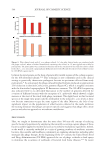
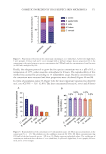
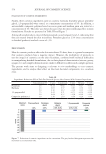
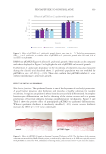
Next, the optimal atmosphere for the growth of all species was selected by incubating the
consortium in aerobiosis or in anaerobiosis. The proportion of bacteria was calculated based
on their concentrations and results are presented in Figure 3.
With oxygen, the proportion of C acnes was 6% compared to 41% without oxygen. On the
contrary, S epidermidis and S mitis represent 50% and 33% of the population respectively
in the presence of oxygen. Anaerobiosis offers better condition for C acnes while preserving
the growth of the other strains. This condition was chosen to grow the model consortium
in subsequent assays.
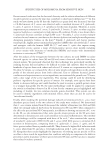
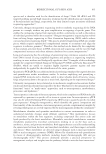
Figure 2. Proportions evolution of the five species in the consortium according to time (total bacteria
concentration 1.0 × 10⁹ CFU/mL at 8 h, 2.5 × 10⁹ CFU/mL at 24 h). Species proportion (%)in the consortium
is the ratio between a species concentration (in CFU/mL) and the concentration of total bacteria (in CFU/mL)
multiplied by 100.
was set at 32°C. The pH (6.5) was the minimal acidity that all bacteria could tolerate
(data not shown). The incubation time was adjusted to obtain the correct proportions of
bacteria. The evolution of the five species in the consortium was monitored for 24 hours,
with sampling at 2, 4, 8, and 24 hours (Figure 2).
After 2 hours of incubation, C xerosis and S epidermidis concentrations were inferior to the
detection limit (102 CFU/mL). However, they rapidly grew (4 × 10⁷ and 2.1 × 10⁸ CFU/
mL respectively after 8 hours) so that their proportions reached 4% for C xerosis and 21%
for S epidermidis. The proportion of S mitis also increased steadily from 2.0% to 30.2%
at 24 hours. The concentration of C acnes increased from 2 to 8 hours (from 4.1 × 10⁷
and 5.2 × 10⁸ CFU/mL respectively), but its proportion decreased during that incubation
time due to the strong increase of the other species. More specifically, after 24 hours, the
proportion of C acnes was only 8.9%.
In general, after an incubation of 8 hours, the proportion of the five species was close to
what is generally observed on the skin of the cheek: C acnes 50%, S epidermidis 20%, S mitis
20%, and M luteus and C xerosis 10% each. Since 8 hours is also the daytime duration,
and thus a relevant contact time with cosmetic products on the skin, it was used to test
cosmetic ingredients.
Next, the optimal atmosphere for the growth of all species was selected by incubating the
consortium in aerobiosis or in anaerobiosis. The proportion of bacteria was calculated based
on their concentrations and results are presented in Figure 3.
With oxygen, the proportion of C acnes was 6% compared to 41% without oxygen. On the
contrary, S epidermidis and S mitis represent 50% and 33% of the population respectively
in the presence of oxygen. Anaerobiosis offers better condition for C acnes while preserving
the growth of the other strains. This condition was chosen to grow the model consortium
in subsequent assays.
Figure 2. Proportions evolution of the five species in the consortium according to time (total bacteria
concentration 1.0 × 10⁹ CFU/mL at 8 h, 2.5 × 10⁹ CFU/mL at 24 h). Species proportion (%)in the consortium
is the ratio between a species concentration (in CFU/mL) and the concentration of total bacteria (in CFU/mL)
multiplied by 100.