596 JOURNAL OF COSMETIC SCIENCE
CONCLUSION
Our initial analysis revealed alterations in the microbiome of individuals with sensitive
skin, not in terms of diversity, but rather the abundance of specific genera and bacterial
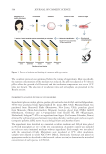
species. Using droplet-based microfluidics technology, we successfully cultured and isolated
bacterial species from NS and SS to establish both “normal” and “sensitive” skin bacterial
libraries, including some species that are traditionally challenging to culture. Further
investigation into the changes in microbial communities among people with sensitive skin,
combined with the selection of ingredients from a clinically relevant microbial collection,
holds significant promise for identifying effective strategies for microbial rebalancing and
soothing skin for this demographic. Additionally, this collection of clinical isolates can
be utilized to assess in vitro bacterial interactions between two species, as well as among
communities of species, with or without variations in their environment. This approach
has the potential to lead to a more comprehensive understanding of the clinical changes
observed in sensitive skin condition and to the development of more accurate active
ingredients.
REFERENCES
(1) Farage MA. The prevalence of sensitive skin. Front Med (Lausanne). 2019 6:98. doi:10.3389/
fmed.2019.00098
(2) Chen J, Liu Y, Zhao Z, Qiu J. Oxidative stress in the skin: impact and related protection. Int J Cosmet
Sci. 2021 43(5):495-509. doi:10.1111/ics.12728
(3) Misra N, Clavaud C, Guinot F, et al. Multi-omics analysis to decipher the molecular link between chronic
exposure to pollution and human skin dysfunction. Sci rep. 2021 11(1, September):18302. doi:10.1038/
s41598-021-97572-1
(4) Leung MHY, Tong X, Bastien P, et al. Changes of the human skin microbiota upon chronic exposure to
polycyclic aromatic hydrocarbon pollutants. Microbiome. 2020 8(1):100. doi:10.1186/s40168-020-00874-1
(5) Pinto D, Ciardiello T, Franzoni M, Pasini F, Giuliani G, Rinaldi F. Effect of commonly used cosmetic
preservatives on skin resident microflora dynamics. Sci Rep. 2021 11(1, April):8695. doi:10.1038/
s41598-021-88072-3
(6) Moitinho-Silva L, Boraczynski N, Emmert H, et al. Host traits, Lifestyle and environment are associated
with human skin bacteria. Br J Dermatol. 2021 185(3):573–584. doi:10.1111/bjd.20072
(7) Dréno B, Araviiskaia E, Berardesca E, et al. Microbiome in healthy skin, update for dermatologists. J Eur
Acad Dermatol Venereol. 2016 30(12):2038–2047. doi:10.1111/jdv.13965
(8) Liu Y, Wang S, Dai W, et al. Distinct skin microbiota imbalance and responses to clinical treatment
in children with atopic dermatitis. Front Cell Infect Microbiol. 2020 10(July):336. doi:10.3389/
fcimb.2020.00336
(9) Dagnelie M-A, Montassier E, Khammari A, Mounier C, Corvec S, Dréno B. Inflammatory skin is
associated with changes in the skin microbiota composition on the back of severe acne patients. Exp
Dermatol. 2019 28(8):961–967. doi:10.1111/exd.13988
(10) Zanvit P, Konkel JE, Jiao X, et al. Antibiotics in neonatal life increase murine susceptibility to
experimental psoriasis. Nat Commun. 2015 6(1, September):8424. doi:10.1038/ncomms9424
(11) Bzioueche H, Simonyté Sjödin K, West CE, et al. Analysis of matched skin and gut microbiome of
patients with vitiligo reveals deep skin dysbiosis: link with mitochondrial and immune changes. J Invest
Dermatol. 2021 141(9):2280–2290. doi:10.1016/j.jid.2021.01.036
(12) Hillion M, Mijouin L, Jaouen T, et al. Comparative study of normal and sensitive skin aerobic bacterial
populations. MicrobiologyOpen. 2013 2(6, December):953–961. doi:10.1002/mbo3.138
CONCLUSION
Our initial analysis revealed alterations in the microbiome of individuals with sensitive
skin, not in terms of diversity, but rather the abundance of specific genera and bacterial
species. Using droplet-based microfluidics technology, we successfully cultured and isolated
bacterial species from NS and SS to establish both “normal” and “sensitive” skin bacterial
libraries, including some species that are traditionally challenging to culture. Further
investigation into the changes in microbial communities among people with sensitive skin,
combined with the selection of ingredients from a clinically relevant microbial collection,
holds significant promise for identifying effective strategies for microbial rebalancing and
soothing skin for this demographic. Additionally, this collection of clinical isolates can
be utilized to assess in vitro bacterial interactions between two species, as well as among
communities of species, with or without variations in their environment. This approach
has the potential to lead to a more comprehensive understanding of the clinical changes
observed in sensitive skin condition and to the development of more accurate active
ingredients.
REFERENCES
(1) Farage MA. The prevalence of sensitive skin. Front Med (Lausanne). 2019 6:98. doi:10.3389/
fmed.2019.00098
(2) Chen J, Liu Y, Zhao Z, Qiu J. Oxidative stress in the skin: impact and related protection. Int J Cosmet
Sci. 2021 43(5):495-509. doi:10.1111/ics.12728
(3) Misra N, Clavaud C, Guinot F, et al. Multi-omics analysis to decipher the molecular link between chronic
exposure to pollution and human skin dysfunction. Sci rep. 2021 11(1, September):18302. doi:10.1038/
s41598-021-97572-1
(4) Leung MHY, Tong X, Bastien P, et al. Changes of the human skin microbiota upon chronic exposure to
polycyclic aromatic hydrocarbon pollutants. Microbiome. 2020 8(1):100. doi:10.1186/s40168-020-00874-1
(5) Pinto D, Ciardiello T, Franzoni M, Pasini F, Giuliani G, Rinaldi F. Effect of commonly used cosmetic
preservatives on skin resident microflora dynamics. Sci Rep. 2021 11(1, April):8695. doi:10.1038/
s41598-021-88072-3
(6) Moitinho-Silva L, Boraczynski N, Emmert H, et al. Host traits, Lifestyle and environment are associated
with human skin bacteria. Br J Dermatol. 2021 185(3):573–584. doi:10.1111/bjd.20072
(7) Dréno B, Araviiskaia E, Berardesca E, et al. Microbiome in healthy skin, update for dermatologists. J Eur
Acad Dermatol Venereol. 2016 30(12):2038–2047. doi:10.1111/jdv.13965
(8) Liu Y, Wang S, Dai W, et al. Distinct skin microbiota imbalance and responses to clinical treatment
in children with atopic dermatitis. Front Cell Infect Microbiol. 2020 10(July):336. doi:10.3389/
fcimb.2020.00336
(9) Dagnelie M-A, Montassier E, Khammari A, Mounier C, Corvec S, Dréno B. Inflammatory skin is
associated with changes in the skin microbiota composition on the back of severe acne patients. Exp
Dermatol. 2019 28(8):961–967. doi:10.1111/exd.13988
(10) Zanvit P, Konkel JE, Jiao X, et al. Antibiotics in neonatal life increase murine susceptibility to
experimental psoriasis. Nat Commun. 2015 6(1, September):8424. doi:10.1038/ncomms9424
(11) Bzioueche H, Simonyté Sjödin K, West CE, et al. Analysis of matched skin and gut microbiome of
patients with vitiligo reveals deep skin dysbiosis: link with mitochondrial and immune changes. J Invest
Dermatol. 2021 141(9):2280–2290. doi:10.1016/j.jid.2021.01.036
(12) Hillion M, Mijouin L, Jaouen T, et al. Comparative study of normal and sensitive skin aerobic bacterial
populations. MicrobiologyOpen. 2013 2(6, December):953–961. doi:10.1002/mbo3.138