599 SKIN MICROBIOME INNOVATIONS
gut flora and the host is complex, and this evolving field of study continues to uncover
new insights.1
Many factors affect the state of the gut microbiome including age, diet, genetics, antibiotic
treatments, and so on. However, a balance in the gut’s ecosystem is crucial for maintaining
the health and effectiveness of necessary bodily functions. When the host-microbe
relationship is disturbed, the microbiota deviates from its homeostatic state, causing
symptoms such as inflammatory bowel disease, bloating, and indigestion. Because of how
common these gastrointestinal issues have become, there has been a growing interest in
taking probiotic supplements. Probiotics are described as live microorganisms that, when
consumed in sufficient quantities, provide health benefits to the host. Benefits of taking
probiotic supplements include boosting the immune system, regulating the microbiota,
lowering the risk of certain diseases, and enhancing the bioavailability of nutrient uptake.
While the exact way probiotics work is not yet completely understood, some proposed
mechanisms include stimulating immunomodulatory cells, producing antimicrobial
substances that fight off pathogens, and altering gut pH.2
What is interesting about the gut microbiome space is that, while research is still
ongoing, it is completely resonating with consumers. The pursuit of holistic self-care and
dietary wellness is surging. Consumers are now incorporating natural supplements into
their everyday diet with the promise of reducing digestive discomfort. How is it that the
supplement industry effectively communicates the gut microbiome to the consumer, while
there remains a lack of clarity and understanding regarding the skin microbiome? Perhaps
connecting the two could be a start to the solution.
THAT GUT FEELING
As previously stated, the relationship between the gut flora and the host is complex, and
numerous studies suggest that the gut microbiome can influence nearby organs, including
the skin, which is the largest organ of the human body. This topic has coined the term
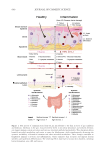
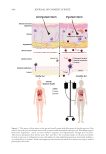
“skin-gut axis,” describing the intricate communication between the skin and the gut.3
When there is an imbalance in the gut’s microbiota, also known as intestinal dysbiosis, it is
possible that the pathogenic metabolites can access blood circulation and gather in the skin.
The accumulation of these microbes can cause an impairment in epidermal differentiation
and skin barrier integrity.3 Additionally, short-chain fatty acids (SCFAs) such as butyrate,
acetate, and propionate are produced by bacteria found in the intestine through the
fermentation process of undigested polysaccharides. While these SCFAs improve epithelial
barrier function and reduce permeability of the intestinal barrier, the amount of SCFAs
that then enter the bloodstream vary based on the rate of microbial fermentation, extent
of colon absorption, and fiber intake. These gut-derived compounds have the potential to
interact negatively with the skin by directly altering the skin’s commensal bacteria.3
The “skin-gut axis” represents a bidirectional relationship where the gut’s environment
impacts the skin and vice versa. As research into the gut microbiome expands, it naturally
extends to exploring the skin microbiome, highlighting the interconnectedness of these
two systems. Based on the conclusion that the gut microbiome can be positively influenced
by external factors, such as taking probiotic supplements, would that mean the same for
the skin? When the skin’s microbiota leaves homeostasis, unpleasant conditions occur.
Acne vulgaris is associated with Cutibacterium acnes strains, psoriasis is associated with
gut flora and the host is complex, and this evolving field of study continues to uncover
new insights.1
Many factors affect the state of the gut microbiome including age, diet, genetics, antibiotic
treatments, and so on. However, a balance in the gut’s ecosystem is crucial for maintaining
the health and effectiveness of necessary bodily functions. When the host-microbe
relationship is disturbed, the microbiota deviates from its homeostatic state, causing
symptoms such as inflammatory bowel disease, bloating, and indigestion. Because of how
common these gastrointestinal issues have become, there has been a growing interest in
taking probiotic supplements. Probiotics are described as live microorganisms that, when
consumed in sufficient quantities, provide health benefits to the host. Benefits of taking
probiotic supplements include boosting the immune system, regulating the microbiota,
lowering the risk of certain diseases, and enhancing the bioavailability of nutrient uptake.
While the exact way probiotics work is not yet completely understood, some proposed
mechanisms include stimulating immunomodulatory cells, producing antimicrobial
substances that fight off pathogens, and altering gut pH.2
What is interesting about the gut microbiome space is that, while research is still
ongoing, it is completely resonating with consumers. The pursuit of holistic self-care and
dietary wellness is surging. Consumers are now incorporating natural supplements into
their everyday diet with the promise of reducing digestive discomfort. How is it that the
supplement industry effectively communicates the gut microbiome to the consumer, while
there remains a lack of clarity and understanding regarding the skin microbiome? Perhaps
connecting the two could be a start to the solution.
THAT GUT FEELING
As previously stated, the relationship between the gut flora and the host is complex, and
numerous studies suggest that the gut microbiome can influence nearby organs, including
the skin, which is the largest organ of the human body. This topic has coined the term
“skin-gut axis,” describing the intricate communication between the skin and the gut.3
When there is an imbalance in the gut’s microbiota, also known as intestinal dysbiosis, it is
possible that the pathogenic metabolites can access blood circulation and gather in the skin.
The accumulation of these microbes can cause an impairment in epidermal differentiation
and skin barrier integrity.3 Additionally, short-chain fatty acids (SCFAs) such as butyrate,
acetate, and propionate are produced by bacteria found in the intestine through the
fermentation process of undigested polysaccharides. While these SCFAs improve epithelial
barrier function and reduce permeability of the intestinal barrier, the amount of SCFAs
that then enter the bloodstream vary based on the rate of microbial fermentation, extent
of colon absorption, and fiber intake. These gut-derived compounds have the potential to
interact negatively with the skin by directly altering the skin’s commensal bacteria.3
The “skin-gut axis” represents a bidirectional relationship where the gut’s environment
impacts the skin and vice versa. As research into the gut microbiome expands, it naturally
extends to exploring the skin microbiome, highlighting the interconnectedness of these
two systems. Based on the conclusion that the gut microbiome can be positively influenced
by external factors, such as taking probiotic supplements, would that mean the same for
the skin? When the skin’s microbiota leaves homeostasis, unpleasant conditions occur.
Acne vulgaris is associated with Cutibacterium acnes strains, psoriasis is associated with