601 SKIN MICROBIOME INNOVATIONS
this opportunity, it is crucial to explore the current methods of microbiome analysis and
presentation, and to further examine the current effectiveness of communication.
METAGENOMIC SEQUENCING
Metagenomics is a sequencing technique that analyzes an entire genomic material present
in a sample.10 The two primary methodologies for studying microbial communities with
this high-throughput sequencing are marker gene studies and whole-genome shotgun
(WGS) metagenomics. WGS metagenomics sequences all genomes in an environmental
sample, allowing for the examination of biodiversity and functional capabilities of the
microbial community. The habitat sampled can go through comprehensive characterization,
identifying archaea, bacteria, eukaryotes, viruses, plasmids, as well as their gene content.10
This is an advantage of metagenomic sequencing, as traditional approaches relied on key
gene markers, such as 16S ribonucleic acid (RNA) gene amplification, to identify bacteria.11
Currently, the only downfall to metagenomic sequencing is the dependence on references
available in the database.12
Vermicomposting decomposes organic waste by utilizing the synergistic effects of worms
and microorganisms. Specifically, vermicomposting of grape marc produces organic
fertilizer that is incredibly microbially diverse and a high source of bioactive polyphenols.12
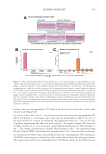
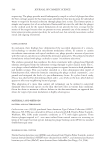
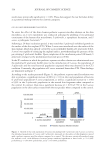
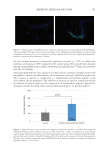
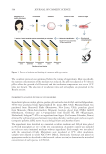
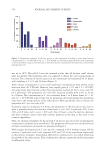
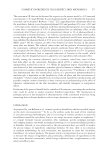
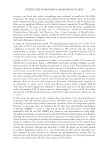
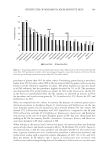
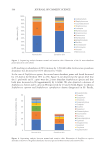
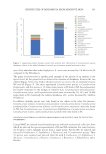
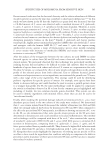
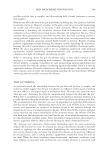
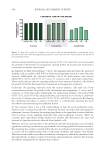
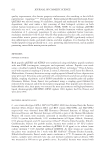
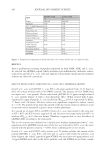
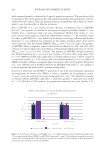
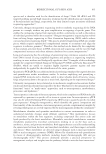
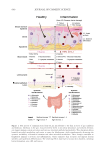
To review what metagenomic sequencing results look like, Figure 1 displays the results
taken from a third-party study that applied this technique to characterize the bacterial and
fungal communities present with vermicomposting.12
Metagenomic sequencing has traditionally been employed for soil genome analysis.
However, the remarkable efficacy of this technique, coupled with the rising interest in the
skin microbiome, has sparked its application across diverse industries. This groundbreaking
science holds immense potential, but will it resonate with everyday beauty consumers?
How can brands leverage these insights? Perhaps delving into another prevalent method for
characterizing the skin’s microbiome could provide further clarity.
Figure 1. Redrawn from Pérez-Losada M.12 Bar plots of the mean relative abundance of the predominant
bacteria by phylum. Bacterial alpha-diversity control (CT) and earthworm (EW) treatment samples were
measured. The source shows full phylum, class, family, and genus using shotgun reads and 16S amplicon
sequence variants in 12 microcosms. The white section of the bar plots represents the less abundant taxa
aggregated.12 The researcher compared mean relative microbial abundances between both high throughput
(HTP) sequencing approaches to establish rankings for each taxonomic category.12
this opportunity, it is crucial to explore the current methods of microbiome analysis and
presentation, and to further examine the current effectiveness of communication.
METAGENOMIC SEQUENCING
Metagenomics is a sequencing technique that analyzes an entire genomic material present
in a sample.10 The two primary methodologies for studying microbial communities with
this high-throughput sequencing are marker gene studies and whole-genome shotgun
(WGS) metagenomics. WGS metagenomics sequences all genomes in an environmental
sample, allowing for the examination of biodiversity and functional capabilities of the
microbial community. The habitat sampled can go through comprehensive characterization,
identifying archaea, bacteria, eukaryotes, viruses, plasmids, as well as their gene content.10
This is an advantage of metagenomic sequencing, as traditional approaches relied on key
gene markers, such as 16S ribonucleic acid (RNA) gene amplification, to identify bacteria.11
Currently, the only downfall to metagenomic sequencing is the dependence on references
available in the database.12
Vermicomposting decomposes organic waste by utilizing the synergistic effects of worms
and microorganisms. Specifically, vermicomposting of grape marc produces organic
fertilizer that is incredibly microbially diverse and a high source of bioactive polyphenols.12
To review what metagenomic sequencing results look like, Figure 1 displays the results
taken from a third-party study that applied this technique to characterize the bacterial and
fungal communities present with vermicomposting.12
Metagenomic sequencing has traditionally been employed for soil genome analysis.
However, the remarkable efficacy of this technique, coupled with the rising interest in the
skin microbiome, has sparked its application across diverse industries. This groundbreaking
science holds immense potential, but will it resonate with everyday beauty consumers?
How can brands leverage these insights? Perhaps delving into another prevalent method for
characterizing the skin’s microbiome could provide further clarity.
Figure 1. Redrawn from Pérez-Losada M.12 Bar plots of the mean relative abundance of the predominant
bacteria by phylum. Bacterial alpha-diversity control (CT) and earthworm (EW) treatment samples were
measured. The source shows full phylum, class, family, and genus using shotgun reads and 16S amplicon
sequence variants in 12 microcosms. The white section of the bar plots represents the less abundant taxa
aggregated.12 The researcher compared mean relative microbial abundances between both high throughput
(HTP) sequencing approaches to establish rankings for each taxonomic category.12