627 The Skin Microbiome and Aging
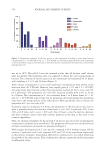
Bacteroidetes.18 The relative proportions of these bacteria can vary depending on the part of
the body in which they are found, due to differences in environmental niches and nutrient
sources.19 Different body site chemistries are divided into dry, moist, and sebaceous type-
areas and support different skin microbiome populations.20 Each site harbors a distinct
microbiome profile consisting of organisms that are best suited to utilize the available
nutrients in that specific niche. Dry sites like the leg or forearm, for example, tend to
be dominated by phyla Proteobacteria and Firmicutes and have more diverse microbial
communities compared to moist or sebaceous sites.20 Alternatively, moist sites like the
axilla are populated by Staphylococcus and Corynebacterium species, while sebaceous sites like
the face, scalp, and back are dominated by members of the Cutibacterium genus (formerly
known as Propionibacterium genus).20
Understanding the significance of the skin microbiome is crucial in the context of skin
health and aging. While earlier studies focused on microbiome profile taxonomy, more
recent studies have attempted to clarify microbiome populations’ contributions to skin
phenotype.12,21 By gaining a deeper understanding of the skin microbiome and its role in
skin aging, we can develop innovative strategies for maintaining youthful and healthy skin.
TRADITIONAL UNDERSTANDING OF SKIN AGING
To fully comprehend the significance of the skin microbiome’s impact on the aging of skin,
one needs an understanding of the complex process of skin aging, which involves both
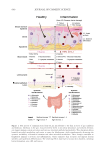
intrinsic and extrinsic factors. Intrinsic or chronologic aging is genetically determined and
is a natural and inevitable process. It is characterized by the gradual decline in skin function
and is typically associated with skin laxity, fragility, decreasing epidermal thickness,
decreased sebum production, and the development of expression lines.22 In contrast,
extrinsic aging is driven by environmental factors such as chronic exposure to solar UV
irradiation, pollution, and smoking. Extrinsic aging is exemplified by more pronounced
signs of aging, including deep wrinkles, hyperpigmentation, and a significant loss of skin
elasticity.23 These environmental influences can accelerate the aging process and lead to
more severe skin changes. In addition, aged skin is commonly believed to be less hydrated
and more permeable compared to younger skin. However, some studies have shown that the
functional barrier of aged skin is not necessarily impaired, and increased susceptibility to
irritation has not been consistently demonstrated. While aged skin may exhibit differences
in trans-epidermal water loss (TEWL), the impact on irritant and permeability testing
remains inconclusive.8,22,24 Nevertheless, age-related changes in the skin can be assessed
through a range of biophysical parameters, including measurements of skin moisturization
through capacitance measurements, TEWL, skin deformation resistance, echodensity, and
topographical analysis, as well as photographic and clinical grading assessments to evaluate
the presence of wrinkles, sagging, and skin color irregularities, providing valuable insights
into clinical changes in skin.25
SKIN MICROBIOME AND AGING
Incorporating measurements of the skin microbiome as an additional clinical parameter
in the study of aging skin can provide valuable insights into a deeper understanding
of underlying mechanisms through which the skin microbiome influences the aging
Bacteroidetes.18 The relative proportions of these bacteria can vary depending on the part of
the body in which they are found, due to differences in environmental niches and nutrient
sources.19 Different body site chemistries are divided into dry, moist, and sebaceous type-
areas and support different skin microbiome populations.20 Each site harbors a distinct
microbiome profile consisting of organisms that are best suited to utilize the available
nutrients in that specific niche. Dry sites like the leg or forearm, for example, tend to
be dominated by phyla Proteobacteria and Firmicutes and have more diverse microbial
communities compared to moist or sebaceous sites.20 Alternatively, moist sites like the
axilla are populated by Staphylococcus and Corynebacterium species, while sebaceous sites like
the face, scalp, and back are dominated by members of the Cutibacterium genus (formerly
known as Propionibacterium genus).20
Understanding the significance of the skin microbiome is crucial in the context of skin
health and aging. While earlier studies focused on microbiome profile taxonomy, more
recent studies have attempted to clarify microbiome populations’ contributions to skin
phenotype.12,21 By gaining a deeper understanding of the skin microbiome and its role in
skin aging, we can develop innovative strategies for maintaining youthful and healthy skin.
TRADITIONAL UNDERSTANDING OF SKIN AGING
To fully comprehend the significance of the skin microbiome’s impact on the aging of skin,
one needs an understanding of the complex process of skin aging, which involves both
intrinsic and extrinsic factors. Intrinsic or chronologic aging is genetically determined and
is a natural and inevitable process. It is characterized by the gradual decline in skin function
and is typically associated with skin laxity, fragility, decreasing epidermal thickness,
decreased sebum production, and the development of expression lines.22 In contrast,
extrinsic aging is driven by environmental factors such as chronic exposure to solar UV
irradiation, pollution, and smoking. Extrinsic aging is exemplified by more pronounced
signs of aging, including deep wrinkles, hyperpigmentation, and a significant loss of skin
elasticity.23 These environmental influences can accelerate the aging process and lead to
more severe skin changes. In addition, aged skin is commonly believed to be less hydrated
and more permeable compared to younger skin. However, some studies have shown that the
functional barrier of aged skin is not necessarily impaired, and increased susceptibility to
irritation has not been consistently demonstrated. While aged skin may exhibit differences
in trans-epidermal water loss (TEWL), the impact on irritant and permeability testing
remains inconclusive.8,22,24 Nevertheless, age-related changes in the skin can be assessed
through a range of biophysical parameters, including measurements of skin moisturization
through capacitance measurements, TEWL, skin deformation resistance, echodensity, and
topographical analysis, as well as photographic and clinical grading assessments to evaluate
the presence of wrinkles, sagging, and skin color irregularities, providing valuable insights
into clinical changes in skin.25
SKIN MICROBIOME AND AGING
Incorporating measurements of the skin microbiome as an additional clinical parameter
in the study of aging skin can provide valuable insights into a deeper understanding
of underlying mechanisms through which the skin microbiome influences the aging