629 The Skin Microbiome and Aging
researchers identified a positive correlation between higher corneometer measurements,
reflecting increased skin moisturization, and a taxon that may be associated with a
Lactobacillus species. These observations suggest that the presence of these key microbiome
signatures could be biomarkers to profile a young skin appearance.
The presence and influence of lower-population species may also have a significant effect on
the appearance of youthful skin. Several publications have identified decreasing populations
or even absence of Lactobacillus populations in older skin.17,26,33 It has been suggested that
Lactobacilli might contribute to a balanced microbiome through acidification of skin
from lactic acid production as well as the secretion of anti-inflammatory components and
antimicrobial peptides. Lactobacillus species detected on skin include L iners, L crispatus, and
L gasseri, which are predominately found associated with the human vaginal microbiome,
which may be introduced to skin during birth. These species are in some contrast to
the more commonly found lactic acid bacteria used in the personal care industry such
as Bfidiobacterium, Lactococcus lactis, L plantarum, and L paracasei, which have primarily
been isolated from fermented foods. It could be that the use of Lactobacilli and their
derivative metabolites derived from skin might have more compatibility on skin due to
its evolutionary niche. In fact, some Lactobacilli, such as L crispatus, may also contribute to
physical biomechanical properties through binding to and associating with skin components
like collagen and fibronectin, through surface proteins (S-layer proteins).34 These structural
characteristics of various Lactobacillus species may suggest the capacity to interact with skin
and its components, and thus may favor a younger skin phenotype as part of its niche.
Other minority microbiome constituents could be conversely responsible for collagen
degradation in older skin, leading to less firm and more wrinkled skin. One study details the
association of Negativicutes populations, a relatively unknown class of bacteria that is known
to be an inhabitant of the skin and intestines, with Veillonella being the best characterized
genus member.35 Negativicutes had a significant presence on older skin that possess a
functional pathway for enzymic breakdown of collagen.27 It would be interesting to see if
these microbial associations would be similarly observed with a decreased measurement
in skin elasticity or increased observation of facial wrinkles. Another study authored by
Zhou et al. assessed the collagen diffusion coefficient (CDC) using an optical device that
emits infrared light and its scattering as an indicator of the relative quality and quantity of
collagen in the skin.16 As expected, CDC was found to be higher in younger skin, which
correlated with high populations of C acnes and low skin microbiome diversity. Conversely,
on skin with low CDC measurements, there was a positive correlation to a phylogenetic
clade of S epidermidis, clade L. This clade has been found to be associated with nosocomial
infections, indicating a more virulent population of this skin commensal organism.16 There
is more to learn on the influence of the skin microbiome and a mechanistic understanding
of the impact on collagen quality and quantity in skin and how this relates to skin elasticity
and firmness.
NEW INSIGHTS FOR SKIN MICROBIOME AGING
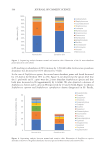
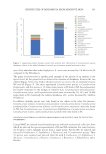
While there is much agreement in the scientific literature that C acnes is a dominant
microbiome population in youthful skin, a study conducted by Leem et al. has a different
observation of this species after normalizing C acnes communities to age.33 In this study,
different skin microbiome profiles were characterized based on clinical parameters in
researchers identified a positive correlation between higher corneometer measurements,
reflecting increased skin moisturization, and a taxon that may be associated with a
Lactobacillus species. These observations suggest that the presence of these key microbiome
signatures could be biomarkers to profile a young skin appearance.
The presence and influence of lower-population species may also have a significant effect on
the appearance of youthful skin. Several publications have identified decreasing populations
or even absence of Lactobacillus populations in older skin.17,26,33 It has been suggested that
Lactobacilli might contribute to a balanced microbiome through acidification of skin
from lactic acid production as well as the secretion of anti-inflammatory components and
antimicrobial peptides. Lactobacillus species detected on skin include L iners, L crispatus, and
L gasseri, which are predominately found associated with the human vaginal microbiome,
which may be introduced to skin during birth. These species are in some contrast to
the more commonly found lactic acid bacteria used in the personal care industry such
as Bfidiobacterium, Lactococcus lactis, L plantarum, and L paracasei, which have primarily
been isolated from fermented foods. It could be that the use of Lactobacilli and their
derivative metabolites derived from skin might have more compatibility on skin due to
its evolutionary niche. In fact, some Lactobacilli, such as L crispatus, may also contribute to
physical biomechanical properties through binding to and associating with skin components
like collagen and fibronectin, through surface proteins (S-layer proteins).34 These structural
characteristics of various Lactobacillus species may suggest the capacity to interact with skin
and its components, and thus may favor a younger skin phenotype as part of its niche.
Other minority microbiome constituents could be conversely responsible for collagen
degradation in older skin, leading to less firm and more wrinkled skin. One study details the
association of Negativicutes populations, a relatively unknown class of bacteria that is known
to be an inhabitant of the skin and intestines, with Veillonella being the best characterized
genus member.35 Negativicutes had a significant presence on older skin that possess a
functional pathway for enzymic breakdown of collagen.27 It would be interesting to see if
these microbial associations would be similarly observed with a decreased measurement
in skin elasticity or increased observation of facial wrinkles. Another study authored by
Zhou et al. assessed the collagen diffusion coefficient (CDC) using an optical device that
emits infrared light and its scattering as an indicator of the relative quality and quantity of
collagen in the skin.16 As expected, CDC was found to be higher in younger skin, which
correlated with high populations of C acnes and low skin microbiome diversity. Conversely,
on skin with low CDC measurements, there was a positive correlation to a phylogenetic
clade of S epidermidis, clade L. This clade has been found to be associated with nosocomial
infections, indicating a more virulent population of this skin commensal organism.16 There
is more to learn on the influence of the skin microbiome and a mechanistic understanding
of the impact on collagen quality and quantity in skin and how this relates to skin elasticity
and firmness.
NEW INSIGHTS FOR SKIN MICROBIOME AGING
While there is much agreement in the scientific literature that C acnes is a dominant
microbiome population in youthful skin, a study conducted by Leem et al. has a different
observation of this species after normalizing C acnes communities to age.33 In this study,
different skin microbiome profiles were characterized based on clinical parameters in