539 Modern Skincare
few days later, which was followed by three additional clinical successes. Subsequently,
the first clinical use of bacteriophages in the United States (US) was described in
1922.29,32,33 Interestingly, the initial US case did not report a positive outcome, though the
circumstances of the study were called into question. However, follow-up studies indicated
considerable success in the treatment of bacterial diseases including skin and dental
infections. In 1931, such positive findings prompted three different US-based biomedical
companies to begin mass production of bacteriophages targeted to four different types
of bacteria. Despite several successes, there were also some confounding results that are
now understood to be based on a poor understanding of the biology of bacteriophages at
the time, particularly the distinction between lytic and lysogenic bacteriophage. Many of
these early shortcomings have since been explained and rectified by modern approaches.
An important point to stress is that for many of the clinical studies conducted with
bacteriophage therapy, there is a consistent safety profile with limited adverse effects
being reported in the studies.30,31,34
A profoundly important development in the collective understanding of bacteriophages in
modern times is that these viruses are a normal part of the human skin microbiome.35,36
Furthermore, there is a growing appreciation that their relative levels are different on
healthy skin versus skin with microbe-driven afflictions.37–39 Such correlations have been
observed with acne vulgaris, atopic dermatitis, and psoriasis. With the rise in topical
antibiotic resistance of particular bacterial species implicated in various skin conditions,
the utility of bacteriophages as an alternative means to mitigate the impact of these
microbial culprits becomes an attractive prospect. Two notable bacterial species where this
approach has been explored with some successes to tackle skin infections are: C. acnes and
S. aureus.40–45 Given the historical nature of bacteriophage therapy, it is interesting to note
that the isolation of the first bacteriophages targeting C. acnes dates back to 1964, then
known as Corynebacterium acnes.46
Here, the hunt for bacteriophages that predate upon C. acnes and S. aureus is described. The
methodical exploration of how the C. acnes bacteriophages were characterized and qualified
to counter C. acnes driven blemished skin is further detailed. Such examinations ranged
from simple laboratory testing to evaluations on three-dimensional skin models and in vivo
pilot studies.
RESULTS
HUNT FOR NATURAL BACTERIOPHAGES
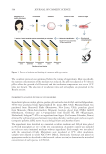
Most bacteriophage (or phage) hunts entail the evaluation of environmental samples for
anti-microbial effects on cultures of the target bacterium of interest. Herein, phages
against two target bacteria were sought: Cutibacterium acnes and Staphylococcus aureus. When
phages were detected that countered each bacterial species, they were examined both
genetically via next-generation gene sequencing and structurally through transmission
electron microscopy (TEM). These examinations determined the family of viruses of
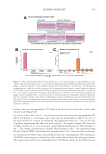
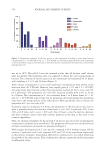
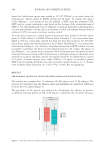
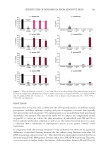
which the individual phage belonged. As shown below, all three phages identified that
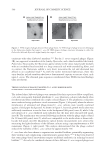
affected a lytic cycle in C. acnes (Figure 2A) exhibited capsid structures indicative of the
family Siphoviridae. Members of this family of viruses are characterized by their long non-
contractile tails attached to an icosahedral head.24 Furthermore, bacteriophages known
to infect and lyse C. acnes have frequently been demonstrated to adopt virion structures
few days later, which was followed by three additional clinical successes. Subsequently,
the first clinical use of bacteriophages in the United States (US) was described in
1922.29,32,33 Interestingly, the initial US case did not report a positive outcome, though the
circumstances of the study were called into question. However, follow-up studies indicated
considerable success in the treatment of bacterial diseases including skin and dental
infections. In 1931, such positive findings prompted three different US-based biomedical
companies to begin mass production of bacteriophages targeted to four different types
of bacteria. Despite several successes, there were also some confounding results that are
now understood to be based on a poor understanding of the biology of bacteriophages at
the time, particularly the distinction between lytic and lysogenic bacteriophage. Many of
these early shortcomings have since been explained and rectified by modern approaches.
An important point to stress is that for many of the clinical studies conducted with
bacteriophage therapy, there is a consistent safety profile with limited adverse effects
being reported in the studies.30,31,34
A profoundly important development in the collective understanding of bacteriophages in
modern times is that these viruses are a normal part of the human skin microbiome.35,36
Furthermore, there is a growing appreciation that their relative levels are different on
healthy skin versus skin with microbe-driven afflictions.37–39 Such correlations have been
observed with acne vulgaris, atopic dermatitis, and psoriasis. With the rise in topical
antibiotic resistance of particular bacterial species implicated in various skin conditions,
the utility of bacteriophages as an alternative means to mitigate the impact of these
microbial culprits becomes an attractive prospect. Two notable bacterial species where this
approach has been explored with some successes to tackle skin infections are: C. acnes and
S. aureus.40–45 Given the historical nature of bacteriophage therapy, it is interesting to note
that the isolation of the first bacteriophages targeting C. acnes dates back to 1964, then
known as Corynebacterium acnes.46
Here, the hunt for bacteriophages that predate upon C. acnes and S. aureus is described. The
methodical exploration of how the C. acnes bacteriophages were characterized and qualified
to counter C. acnes driven blemished skin is further detailed. Such examinations ranged
from simple laboratory testing to evaluations on three-dimensional skin models and in vivo
pilot studies.
RESULTS
HUNT FOR NATURAL BACTERIOPHAGES
Most bacteriophage (or phage) hunts entail the evaluation of environmental samples for
anti-microbial effects on cultures of the target bacterium of interest. Herein, phages
against two target bacteria were sought: Cutibacterium acnes and Staphylococcus aureus. When
phages were detected that countered each bacterial species, they were examined both
genetically via next-generation gene sequencing and structurally through transmission
electron microscopy (TEM). These examinations determined the family of viruses of
which the individual phage belonged. As shown below, all three phages identified that
affected a lytic cycle in C. acnes (Figure 2A) exhibited capsid structures indicative of the
family Siphoviridae. Members of this family of viruses are characterized by their long non-
contractile tails attached to an icosahedral head.24 Furthermore, bacteriophages known
to infect and lyse C. acnes have frequently been demonstrated to adopt virion structures