541 Modern Skincare
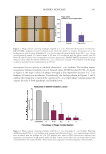
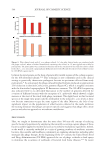
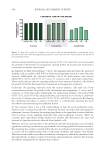
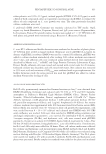
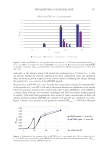
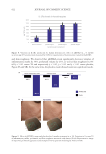
investigated for its capacity to similarly diminish C. acnes biofilms. The biofilm impact
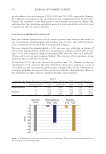
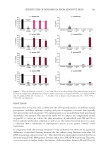
assessments followed standard protocol detailed under ASTM Standard E2799. As shown
in Figure 4, the triple cocktail of phages leveraged a dose-dependent decrease in C. acnes
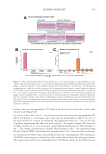
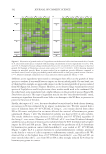
biofilms 24 hours post-incubation. Cumulatively, the findings shown in Figures 3 and 4
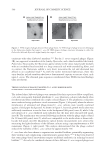
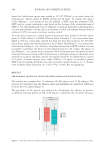
validate the strong lytic activity of the constructed C. acnes triple phage cocktail against the
cognate bacteria at both planktonic and biofilm levels.
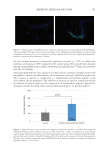
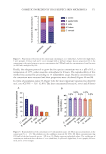
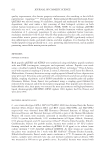
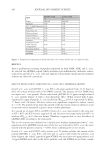
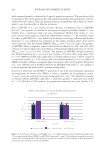
Figure 3. Phage cocktail consisting of phages targeted to C. acnes diminishes the bacterial concentration.
LEFT PANEL: qualitative bacteria reduction assay, where the ability to visualize lined paper set in the
background is used to assess diminished C. acnes levels, where (A) growth media alone, (B) C. acnes culture
post-exponential growth, (C) culture shown in (B) after 24 h incubation with the phage cocktail, and (D)
shows (A) and (C) side-by-side for comparison of relative translucency. RIGHT PANEL: quantitative bacteria
reduction assay, where the relative turbidity of C. acnes cultures pre- and post-24 h incubation with the phage
cocktail is quantified by spectrophotometry at 600 nm.
Figure 4. Phage cocktail consisting of phages targeted to C. acnes diminishes C. acnes biofilms. Following
ASTM Standard E2799, C. acnes biofilms were prepared and dilutions of the C. acnes targeted phage cocktail
were incubated with the biofilms for 24 h. The biofilms were rinsed in PBS, bacteria were sonicated into
suspension, and incubated in LB growth media for 48 h. Colony counts reflect the surviving viable bacteria
contained within the residual biofilm. These values were compared to untreated negative control biofilms.
investigated for its capacity to similarly diminish C. acnes biofilms. The biofilm impact
assessments followed standard protocol detailed under ASTM Standard E2799. As shown
in Figure 4, the triple cocktail of phages leveraged a dose-dependent decrease in C. acnes
biofilms 24 hours post-incubation. Cumulatively, the findings shown in Figures 3 and 4
validate the strong lytic activity of the constructed C. acnes triple phage cocktail against the
cognate bacteria at both planktonic and biofilm levels.
Figure 3. Phage cocktail consisting of phages targeted to C. acnes diminishes the bacterial concentration.
LEFT PANEL: qualitative bacteria reduction assay, where the ability to visualize lined paper set in the
background is used to assess diminished C. acnes levels, where (A) growth media alone, (B) C. acnes culture
post-exponential growth, (C) culture shown in (B) after 24 h incubation with the phage cocktail, and (D)
shows (A) and (C) side-by-side for comparison of relative translucency. RIGHT PANEL: quantitative bacteria
reduction assay, where the relative turbidity of C. acnes cultures pre- and post-24 h incubation with the phage
cocktail is quantified by spectrophotometry at 600 nm.
Figure 4. Phage cocktail consisting of phages targeted to C. acnes diminishes C. acnes biofilms. Following
ASTM Standard E2799, C. acnes biofilms were prepared and dilutions of the C. acnes targeted phage cocktail
were incubated with the biofilms for 24 h. The biofilms were rinsed in PBS, bacteria were sonicated into
suspension, and incubated in LB growth media for 48 h. Colony counts reflect the surviving viable bacteria
contained within the residual biofilm. These values were compared to untreated negative control biofilms.