636 JOURNAL OF COSMETIC SCIENCE
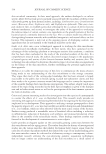
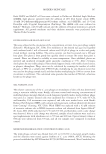
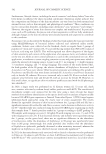
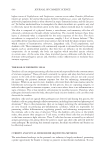
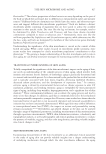
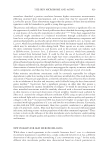
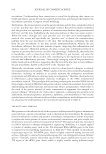
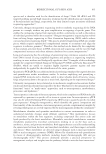
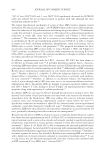
Furthermore, proteomics complements these other “omics” fields as a means to analyze
gene activity, the levels of proteins secreted from host cells and the post-translational
modifications thereof.1 Metaproteomics, a specialized branch of proteomics, plays a crucial
role in characterizing microbiome systems and elucidating the factors that mediate
molecular interactions between the host and microbiota.16 For instance, proteomics identifies
microbial proteins linked to dysbiosis and various GI and metabolic disorders. It also aids
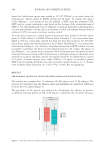
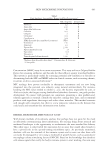
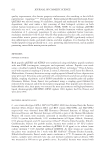
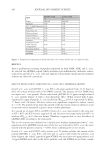
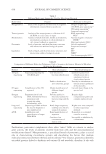
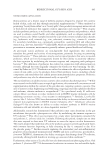
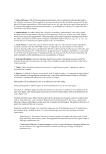
Table I
Different Multi-omic Approaches Used for Microbiome Research
Multi-omics Purpose Molecular technique(s)
Metagenomics Study of the sequences and functions of all genetic
information extracted from a specific site
Shotgun sequencing19
16S rRNA gene sequencing19
ITS region sequencing19
Long-read sequencing20
Transcriptomics Analysis of the transcriptome, a collection of all
the RNA in a cell, tissue or organ
RNA sequencing1
NGS21
Metabolomics Analysis of small molecules, known as metabolites,
intermediates, products of cell metabolism in
cell, tissues, biofluids or organisms
Nuclear magnetic resonance
(NMR)22
Mass spectrometry (MS)22
Proteomics Study of proteins, and their functions, structures
and interactions within a biological system
Gel electrophoresis17
Protein microarrays17
MS17
Lipidomics Study of lipids, and their functions, structures and
interactions within a biological system
MS23
NMR24
Gas chromatography (GC)24
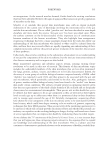
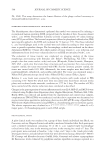
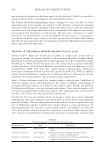
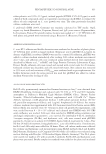
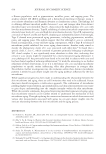
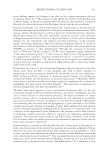
Table II
Comparison of Different Molecular Techniques Used to Sequence the Genetic Material of Microbes
Within the Microbiome
Method Description Main advantage(s) Main disadvantage(s)
16S gene
sequencing
Sequencing targeting the
16S rRNA gene
Cost-effective for
bacterial identification
Limited to genus-level
identification due to
similarities between
closely related species
Enables classification
into taxonomic groups
Provides no information on
the functional capabilities
of the microbes
ITS gene
sequencing
Amplification of the ITS
region of
Allows identification of
different fungal
species
Can only detect fungi at the
species level
Shotgun
sequencing
Fragmentation of total
DNA, followed by library
preparation and
sequencing using
bioinformatic tools
Provides predictive
functional analysis for
bacteria, fungi and the
host
Requires high
computational power and
complex analytical tools
Long-read
sequencing
Sequencing of DNA without
the need to fragment it
into smaller pieces
Reads longer sequences,
enabling cost-effective
strain-level analysis
Higher error rates compared
to other sequencing
methods
qPCR Amplification and
quantification of target
DNA/RNA
Rapid quantification of
sequences
Dependent on a standard
curve for accuracy
Can detect low
concentrations of
nucleic acids
Susceptible to inhibition by
contaminants
Furthermore, proteomics complements these other “omics” fields as a means to analyze
gene activity, the levels of proteins secreted from host cells and the post-translational
modifications thereof.1 Metaproteomics, a specialized branch of proteomics, plays a crucial
role in characterizing microbiome systems and elucidating the factors that mediate
molecular interactions between the host and microbiota.16 For instance, proteomics identifies
microbial proteins linked to dysbiosis and various GI and metabolic disorders. It also aids
Table I
Different Multi-omic Approaches Used for Microbiome Research
Multi-omics Purpose Molecular technique(s)
Metagenomics Study of the sequences and functions of all genetic
information extracted from a specific site
Shotgun sequencing19
16S rRNA gene sequencing19
ITS region sequencing19
Long-read sequencing20
Transcriptomics Analysis of the transcriptome, a collection of all
the RNA in a cell, tissue or organ
RNA sequencing1
NGS21
Metabolomics Analysis of small molecules, known as metabolites,
intermediates, products of cell metabolism in
cell, tissues, biofluids or organisms
Nuclear magnetic resonance
(NMR)22
Mass spectrometry (MS)22
Proteomics Study of proteins, and their functions, structures
and interactions within a biological system
Gel electrophoresis17
Protein microarrays17
MS17
Lipidomics Study of lipids, and their functions, structures and
interactions within a biological system
MS23
NMR24
Gas chromatography (GC)24
Table II
Comparison of Different Molecular Techniques Used to Sequence the Genetic Material of Microbes
Within the Microbiome
Method Description Main advantage(s) Main disadvantage(s)
16S gene
sequencing
Sequencing targeting the
16S rRNA gene
Cost-effective for
bacterial identification
Limited to genus-level
identification due to
similarities between
closely related species
Enables classification
into taxonomic groups
Provides no information on
the functional capabilities
of the microbes
ITS gene
sequencing
Amplification of the ITS
region of
Allows identification of
different fungal
species
Can only detect fungi at the
species level
Shotgun
sequencing
Fragmentation of total
DNA, followed by library
preparation and
sequencing using
bioinformatic tools
Provides predictive
functional analysis for
bacteria, fungi and the
host
Requires high
computational power and
complex analytical tools
Long-read
sequencing
Sequencing of DNA without
the need to fragment it
into smaller pieces
Reads longer sequences,
enabling cost-effective
strain-level analysis
Higher error rates compared
to other sequencing
methods
qPCR Amplification and
quantification of target
DNA/RNA
Rapid quantification of
sequences
Dependent on a standard
curve for accuracy
Can detect low
concentrations of
nucleic acids
Susceptible to inhibition by
contaminants