640 JOURNAL OF COSMETIC SCIENCE
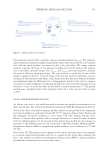
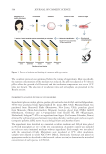
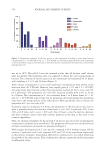
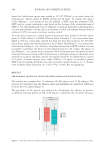
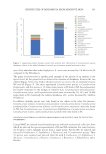
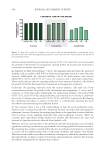
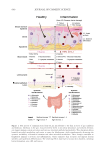
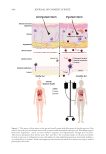
Figure 1. The process of communication from the gut microbiome to the skin in states of gut symbiosis
and dysbiosis. Dysbiosis in the gut, characterized by shifts in microbial abundance and reduced diversity,
can trigger immune system activation and increase intestinal epithelial permeability. This disruption allows
harmful microbial metabolites and toxins to enter the bloodstream, while simultaneously decreasing the
systemic availability of beneficial vitamins and other microbial metabolites. These changes contribute to
heightened immune activation and inflammation, which stimulate skin receptors and impairs keratin
synthesis and epidermal differentiation. The resulting effects may lead to various skin disorders, including
barrier disruption, acne, AD, and rosacea.
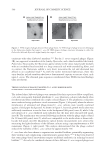
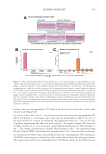
Figure 1. The process of communication from the gut microbiome to the skin in states of gut symbiosis
and dysbiosis. Dysbiosis in the gut, characterized by shifts in microbial abundance and reduced diversity,
can trigger immune system activation and increase intestinal epithelial permeability. This disruption allows
harmful microbial metabolites and toxins to enter the bloodstream, while simultaneously decreasing the
systemic availability of beneficial vitamins and other microbial metabolites. These changes contribute to
heightened immune activation and inflammation, which stimulate skin receptors and impairs keratin
synthesis and epidermal differentiation. The resulting effects may lead to various skin disorders, including
barrier disruption, acne, AD, and rosacea.